Maintaining a healthy smile is about more than just pearly white teeth; it is fundamentally rooted in the health of your gums. In a fast-paced city like Dubai, where lifestyle and dietary habits can impact oral hygiene, being aware of the signs of gum disease is essential for long-term health. Gum disease, often silent in its early stages, can lead to significant discomfort and tooth loss if left unaddressed.
Many residents may have gum disease without even realizing it, as the initial symptoms are frequently dismissed as minor irritation. However, understanding these warning signs of gum disease can be the difference between a simple cleaning and a complex surgical procedure. This guide aims to educate you on how to spot the early indicators, understand the underlying causes, and find the best care at Dr. Nidhal’s clinic to restore your oral health.
What is Periodontal Disease?
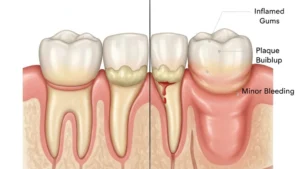
Periodontal disease, commonly referred to as gum disease, is an inflammatory condition affecting the tissues that surround and support your teeth. It is primarily caused by the accumulation of plaque, a sticky film of bacteria that constantly forms on the teeth. When plaque isn’t removed through regular brushing and flossing, it hardens into tartar (calculus), which only a dental professional can remove.
While the term “gum disease” is often used broadly, it encompasses a range of conditions from simple gum inflammation (gingivitis) to serious disease (periodontitis) that results in major damage to the soft tissue and bone that support the teeth.
Signs and Symptoms of Gum Disease
Recognizing the signs of gum disease early is the most effective way to prevent permanent damage. If you notice any of the following, it is time to consult a specialist:
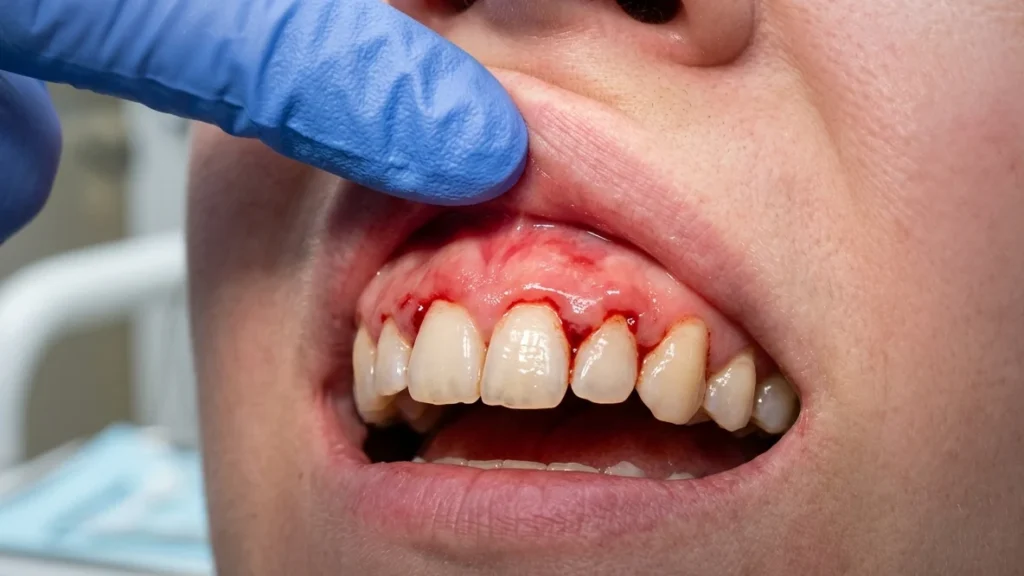
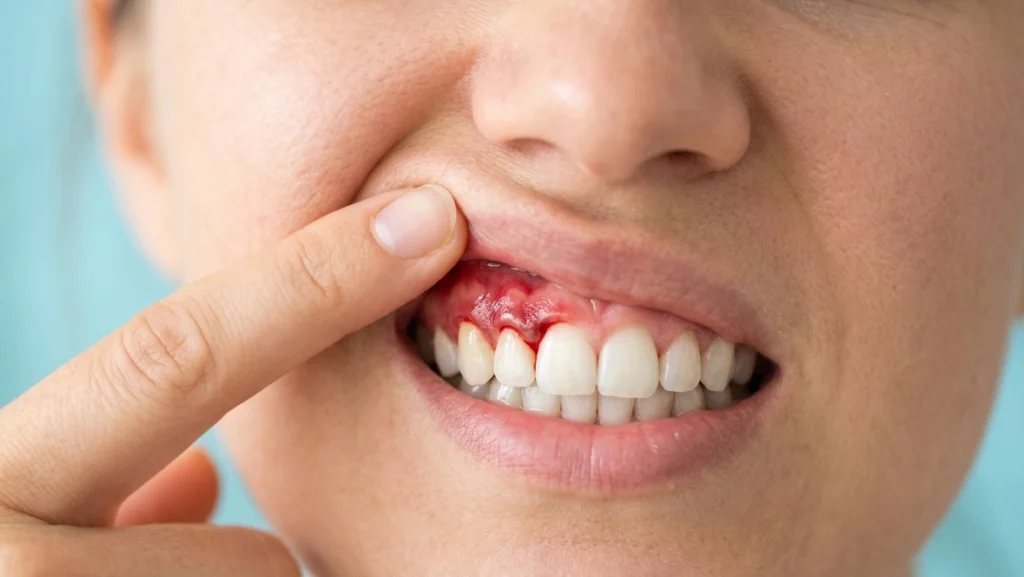
- Bleeding Gums: This is often the most common sign, especially during brushing or flossing. Healthy gums should not bleed.
- Persistent Bad Breath: A constant bad taste in the mouth or halitosis that doesn’t go away with mouthwash can indicate bacterial buildup deep in the gum pockets.
- Swollen or Red Gums: Healthy gums are firm and pale pink. If they appear dusky red, puffy, or tender, inflammation is present.
- Signs of Gum Recession: If your teeth look longer than they used to, your gums may be pulling away from the tooth roots.
- Pus Between Teeth: Visible discharge or pus when pressing on the gums is a clear sign of infection.
- Loose Teeth: In advanced stages, the destruction of bone tissue leads to teeth shifting or feeling unstable.
- Changes in Bite: Noticing that your teeth fit together differently when you bite down can indicate bone loss around the roots.
Signs of Gum Disease in Kids
While often associated with adults, signs of gum disease in kids are more common than parents realize. In children, it usually presents as chronic gingivitis. Parents should look for:
- Swollen, bright red gums.
- Bleeding during nighttime brushing.
- Chronic bad breath despite good hygiene.
Since children’s tissues are still developing, early intervention is critical to prevent future orthodontic complications.
Signs of Gum Disease in Adults
In the adult population of the UAE, signs of gum disease in adults often correlate with stress, diet, or systemic health issues. Adults are more likely to progress to periodontitis, where the inflammation becomes chronic and starts affecting the jawbone.
Stages of Gum Disease
Understanding the progression of the disease helps in determining the necessary treatments for gum disease.
- Gingivitis: The earliest and only reversible stage. The gums are red and swollen, and bleeding is common, but the bone is still intact.
- Slight Periodontitis: The infection has spread to the bone. Small pockets begin to form between the gum and the tooth, where bacteria hide.
- Moderate Periodontitis: Pockets deepen (usually 4 to 5 millimeters), and the bone loss becomes more significant. You may notice increased sensitivity.
- Advanced Periodontitis: This is the final stage where the fibers and bone supporting the teeth are destroyed. Teeth may need to be extracted if they become too loose.
What are the Causes of Gum Disease?
The primary causes gum disease are bacterial. Our mouths are full of bacteria that mix with mucus and other particles to form plaque.
- Plaque Build-up: If not removed, plaque turns into tartar within 24–72 hours.
- Hormonal Changes: Puberty, pregnancy, and menopause can make gums more sensitive.
- Poor Nutrition: A diet low in Vitamin C and high in sugar accelerates bacterial growth.
- Smoking: Tobacco use is one of the most significant risk factors, as it interferes with the normal function of gum tissue cells and impairs blood flow.
Risk Factors of Gum Disease
Certain factors can increase your susceptibility to the warning signs of gum disease:
- Genetics: Some people are more prone to periodontal issues due to their DNA.
- Medications: Drugs that reduce saliva flow can leave the mouth vulnerable to infections.
- Diabetes: People with diabetes are at higher risk for infections, including periodontal disease.
- Stress: Chronic stress makes it harder for the body to fight off infections.
Discover more about Dr Nidhal’s patients’ reviews and testimonials.

The Relation Between Gum Disease and Overall Health
Research has shown a strong link between periodontal disease and systemic health issues. This is often referred to as the “mouth-body connection.” The bacteria responsible for gum inflammation can enter the bloodstream and affect other parts of the body.
- Heart Disease: Chronic inflammation in the mouth is linked to clogged arteries and stroke.
- Respiratory Issues: Bacteria from the mouth can be inhaled into the lungs, potentially causing pneumonia.
- Pregnancy Complications: Severe gum disease has been linked to preterm birth and low birth weight.
Diagnosis and Tests of Gum Diseases
When you visit a specialist like Dr. Nidhal Sultan, the diagnostic process is thorough. It typically involves:
- Reviewing Medical History: Identifying underlying factors like smoking or diabetes.
- Measuring Pocket Depth: A dental probe is used to measure the space between your gums and teeth. In a healthy mouth, the depth is usually between 1 and 3 millimeters.
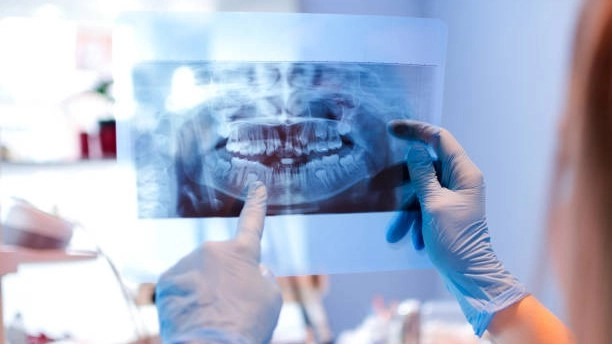
- Dental X-rays: These are essential to check for bone loss in areas where the damage isn’t visible to the naked eye.
Try Dr Nidhal’s online smart smile assessment to provide him with pre-consultation valuable information that helps diagnose and fix your problem.
Treatment Options of Gum Disease
Knowing the signs of gum disease and how to treat them allows for a tailored approach to recovery.
- Professional Cleaning: Scaling and root planing is a deep-cleaning method that removes tartar from above and below the gum line and smoothes rough spots on the tooth root.
- Antibiotics: Topical or oral antibiotics can help control bacterial infection.
- Surgical Treatments: In advanced cases, procedures like flap surgery (pocket reduction surgery) or bone and tissue grafts may be necessary to regenerate lost structures.
Gum Disease Control and Prevention
Prevention is the cornerstone of oral health in Dubai. You can prevent the signs of gum disease by:
- Brushing Twice Daily: Use a soft-bristled toothbrush and fluoride toothpaste.
- Daily Flossing: This removes plaque from areas your toothbrush cannot reach.
- Regular Dental Visits: Professional cleanings every six months are vital.
- Healthy Diet: Reduce sugary snacks and increase intake of crunchy vegetables that naturally clean teeth.
Visit the patient connection hub section to learn more about your condition and connect with Dr Nidhal Sultan.

Complications of Gum Disease
Ignoring the signs of gum disease can lead to more than just a toothache. Potential complications include:
- Recurrent gum abscesses (painful collections of pus).
- Increasing damage to the periodontal ligament.
- Loss of the alveolar bone (the bone that contains the tooth sockets).
- Receding gums that lead to extreme tooth sensitivity.
When You Should See a Doctor
You should seek professional advice immediately if you notice:
- Gums that are pulling away from the teeth.
- A change in the way your teeth fit together.
- Constant bleeding when eating or cleaning.
- Any painful swelling or sores in the mouth.
Early detection is the key to maintaining your natural smile for a lifetime.
Discover Dr Nidhal’s case studies and patients’ results, real transformations achieved through expert care, advanced techniques, and a refined dental experience with Dr. Nidhal Sultan.
Why Choosing Dr. Nidhal Sultan for Dental Care
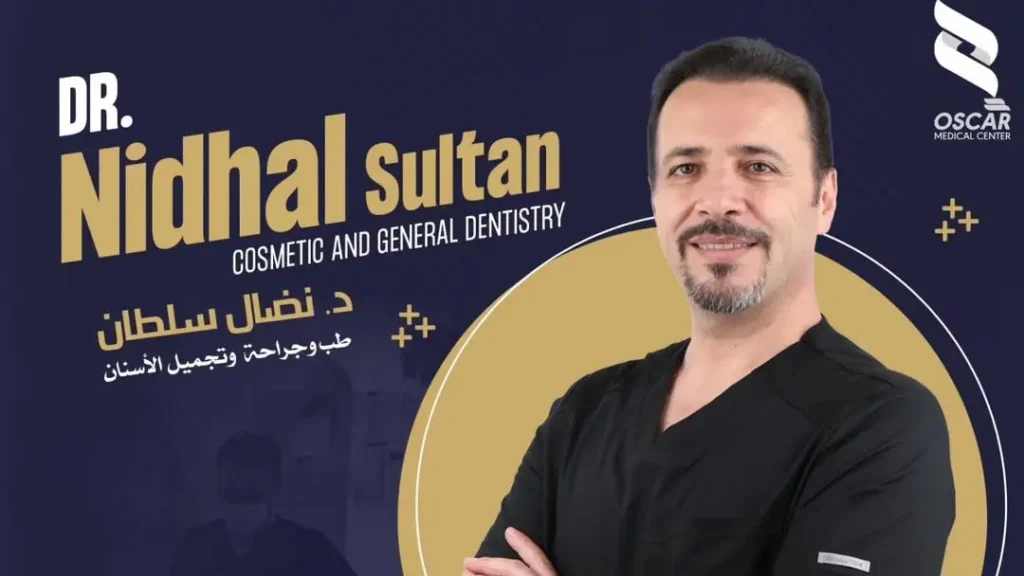
When it comes to treating the signs of gum disease, expertise and a patient-centered approach are paramount. Dr. Nidhal Sultan is recognized for providing premium dental care in the UAE, combining years of clinical experience with the latest dental technologies.
At Dr. Nidhal’s clinic, the focus is on more than just treating symptoms; it is about providing a comprehensive oral health strategy tailored to the unique needs of each patient. Whether you are dealing with early gingivitis or require advanced periodontal therapy, the team ensures a comfortable, empathetic, and professional environment. By choosing Dr. Nidhal Sultan, you are opting for a standard of care that prioritizes long-term outcomes and aesthetic excellence.
FAQs About Common Signs of Gum Disease
What are the warning signs of gum disease?
The most common warning signs include red, swollen gums, persistent bad breath, bleeding during brushing, and gums that appear to be receding from the teeth.
Can gum disease be cured?
Gingivitis, the early stage of gum disease, can be completely cured with professional cleaning and improved home care. However, more advanced stages (periodontitis) cannot be “cured” in the traditional sense but can be successfully managed and stabilized to prevent further loss.
How do you fix gum disease?
Fixing gum disease involves a combination of professional deep cleaning (scaling and root planing), potential antibiotic therapy, and in some cases, surgical intervention to repair bone and tissue damage.
How do you determine if you have gum disease?
A definitive diagnosis can only be made by a dentist through a physical examination, measuring gum pocket depths, and reviewing dental X-rays to assess bone levels.
Is periodontal disease contagious?
While the disease itself isn’t “contagious,” the bacteria that cause the inflammatory response can be spread through saliva. This means long-term exposure through kissing or sharing utensils could theoretically transfer harmful bacteria to others.
Can I live a long life with gum disease?
Yes, but untreated gum disease can impact your quality of life and is linked to various systemic health issues. Proper management is essential for overall longevity and wellbeing.
Final Thoughts on the Signs of Gum Disease
Your oral health is a vital component of your overall well-being. Recognizing the signs of gum disease is the first step toward protecting your smile. From the subtle bleeding of gingivitis to the more concerning signs of gum recession, every symptom is a signal from your body that requires attention.
For residents in Dubai seeking expert guidance and compassionate care, Dr. Nidhal Sultan offers the specialized knowledge needed to navigate and treat these conditions effectively. Do not wait for pain to become the motivator for your dental visit. Take a proactive step today and schedule a consultation at Dr. Nidhal’s clinic to ensure your gums remain healthy and strong for years to come.