A missing tooth is more than just a cosmetic concern; it affects how you speak, what you eat, and how you feel about yourself. If you are exploring ways to reclaim your oral health, dental implants have revolutionized the way modern dentistry approaches tooth replacement. In a city like Dubai, where excellence is the standard, choosing the right solution for your dental problems requires a blend of advanced technology and expert care.
In this comprehensive guide, we will explore everything you need to know about the procedure, from the biological science behind it to the specific costs in the UAE, helping you understand why many patients consider this the “gold standard” for a lifetime of healthy smiles.
What is a Dental Implant?
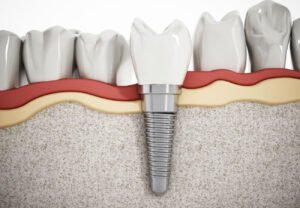
At its simplest, a dental implant is an artificial tooth root. While dentures or bridges sit on top of the gums, an implant is surgically positioned into the jawbone. These small, sturdy posts, usually made of biocompatible titanium, provide a stable foundation for fixed or removable replacement teeth that are custom-made to match your natural teeth.
Unlike other options, a dental implant does not rely on neighboring teeth for support. It stands alone, preserving the integrity of your remaining natural teeth and preventing the bone loss that typically follows tooth extraction.
The Science of Osseointegration
The magic of dental implants lies in a biological process called osseointegration. Discovered in the 1950s, this process describes how living bone cells attach themselves directly to the surface of titanium.
When a specialist placed dental implants into the jaw, the bone begins to grow around the post over a period of weeks or months. This creates a structural and functional connection that is incredibly strong. Because the body does not recognize titanium as a “foreign” object, the rejection rate is exceptionally low. This bond is what allows implants to feel, look, and function exactly like natural teeth.
Implants vs. Bridges
For decades, the dental bridge was the primary solution for missing teeth. However, bridges come with a significant “biological cost.” To support a bridge, the healthy teeth on either side of the gap must be ground down to serve as anchors. Modern dentistry increasingly favors implants for several reasons:
- Longevity: Bridges often need replacement every 5 to 10 years; implants can last a lifetime.
- Bone Health: Implants stimulate the jawbone, preventing the “sunken” facial appearance caused by bone resorption. Bridges do not protect the bone.
- Conservation: Implants allow you to keep your healthy natural teeth untouched.
Understanding the Post, Abutment, and Crown
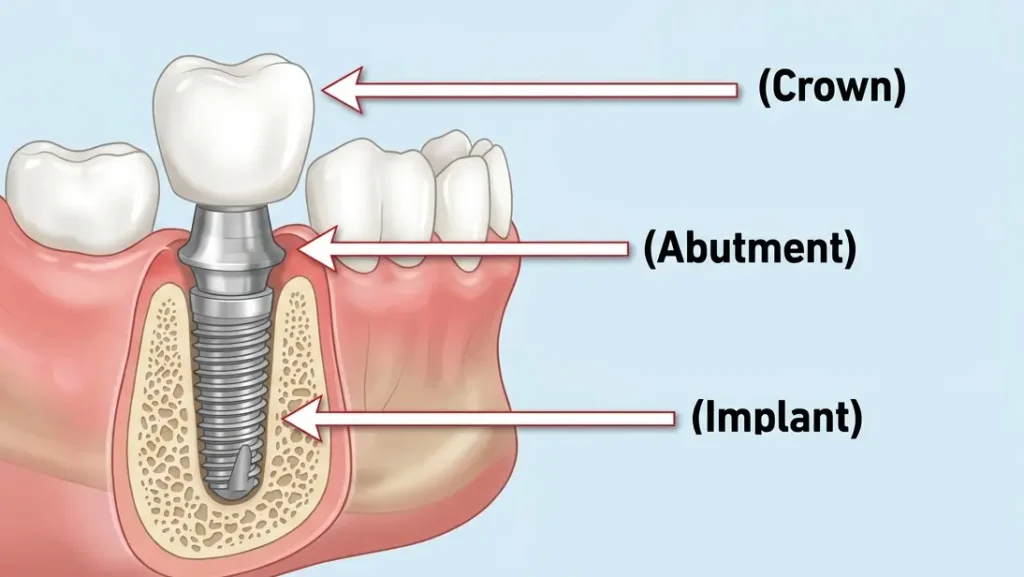
A complete dental implant system consists of three distinct parts:
- The Post (The Implant): The screw-like piece that serves as the root.
- The Abutment: A connector piece placed on top of the post to hold the new tooth.
- The Crown: The visible part of the tooth, custom-crafted from porcelain or ceramic to look indistinguishable from your natural enamel.
Types of Dental Implants
Depending on your bone health and the number of teeth missing, your dentist may recommend different approaches:
- Endosteal Implants: The most common type, placed directly into the jawbone.
- Subperiosteal Implants: These sit on top of the bone but under the gum tissue, used primarily for patients who do not have enough healthy jawbone and cannot undergo a bone graft.
- All on 4 & All on 6 Dental Implants: These are advanced techniques used for full-mouth restoration. By strategically placing four or six implants, an entire arch of teeth can be permanently secured.
What Conditions are Treated with Dental Implants?
Implants are versatile solutions for a variety of clinical scenarios:
- Single Tooth Loss: Replacing a single missing tooth without affecting neighbors.
- Multiple Missing Teeth: Using implant-supported bridges to fill larger gaps.
- Complete Edentulism: Replacing all teeth in the upper or lower jaw.
- Denture Stabilization: Securing “floating” dentures so they no longer slip or click while eating or talking.
How Successful are Dental Implants?
Success rates for dental implants vary depending on where in the jaw the implants are placed but, in general, they have a success rate of up to 98%. With proper care, including brushing, flossing, and regular dental checkups, implants can last the rest of your life. Success is heavily influenced by the patient’s oral hygiene habits and the expertise of the dental professional performing the surgery.
How Much is a Tooth Implant in the UAE?
When researching dental implants Dubai cost, it is important to understand that pricing is influenced by several variables: the material of the crown, the need for bone grafting, and the brand of the implant system used.
On average, a single implant in Dubai can range significantly. For those requiring a total smile makeover, the full mouth dental implants cost in Dubai will reflect the complexity of the case and the number of implants used (such as the All on 6 dental implants protocol). While the upfront investment is higher than traditional dentures, the long-term value, considering they rarely need replacement, makes them a cost-effective choice.
Who Can Get Dental Implants?
Most adults in good general health are candidates for the procedure. You generally need:
- Healthy Gums: Free of periodontal disease.
- Adequate Bone Density: Enough bone to support and anchor the implant.
- Commitment to Hygiene: A dedication to keeping the new teeth and surrounding tissues clean.
Who Should Not Get Dental Implants?
Certain conditions may make the procedure more risky or require extra preparation:
- Heavy Smokers: Smoking significantly slows healing and increases the risk of implant failure.
- Uncontrolled Chronic Diseases: Such as diabetes or heart disease.
- Active Periodontitis: Gum disease must be treated before an implant can be placed.
- Patients Undergoing Radiation Therapy: Specifically to the head or neck area.
Patient Journey and Dental Implant Process
The journey to a new smile is a multi-step process designed to ensure precision:
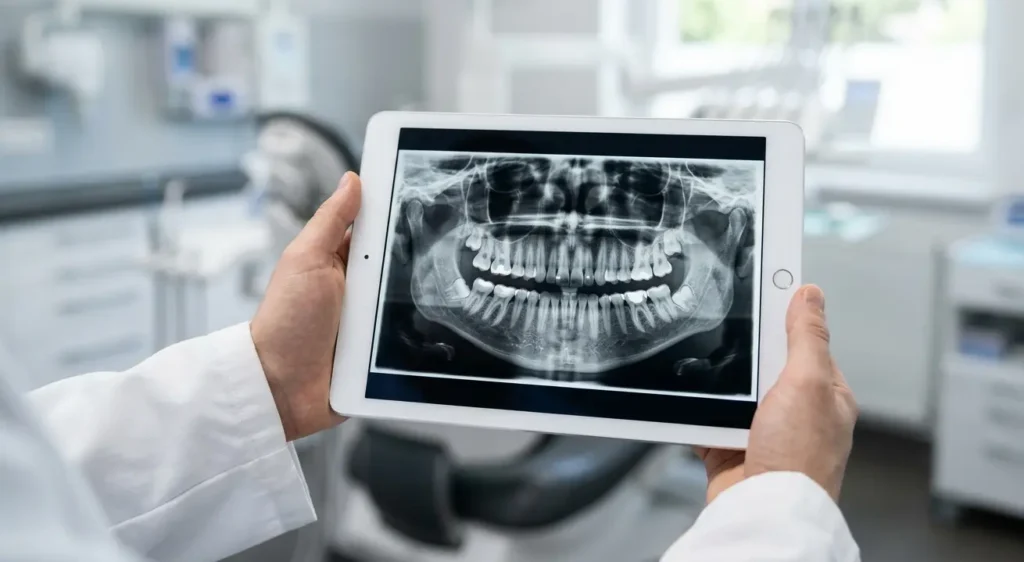
- Initial Consultation: Comprehensive X-rays and 3D scans (CBCT) are taken to map the jaw and nerves.
- Placement: The implant post is surgically inserted into the bone.
- Healing Phase: A period of 3–6 months where osseointegration occurs.
- Abutment Placement: Once healed, the connector is attached.
- Restoration: The final custom crown is fitted.
How Painful is Getting a Dental Implant?
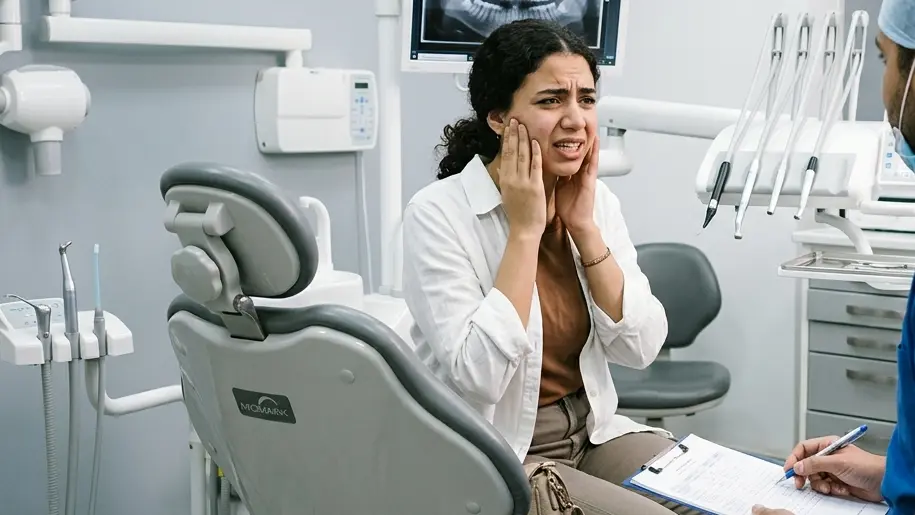
Many patients are surprised to find that the procedure involves very little discomfort. Most surgeries are performed under local anesthesia. Patients often report that the sensation is less intense than a tooth extraction. After the procedure, any mild soreness can usually be managed with over-the-counter pain relief.
How You Prepare for dental implants sessions
Preparation is key to a smooth recovery. Your dental team will provide specific instructions, which may include:
- Using a special antibacterial mouthwash.
- Stopping certain medications (like blood thinners) after consulting your doctor.
- Arranging for a ride home if you choose sedation.
What After Dental Implant?
Immediately after surgery, you might experience minor swelling or bruising. It is recommended to stick to soft foods like yogurt, mashed potatoes, and smoothies for the first few days. Avoiding very hot or spicy foods will help the surgical site heal faster.
The Risks and Problems with Dental Implants
While rare, it is important to be aware of potential problems with dental implants:
- Infection: Known as peri-implantitis, this occurs if bacteria settle around the implant.
- Nerve Damage: Which can cause tingling or numbness (mitigated by expert 3D planning).
- Sinus Issues: If implants in the upper jaw protrude into sinus cavities.
Choosing a highly experienced specialist is the best way to minimize these risks.
What You Can Expect
Once the process is complete, you can expect a life-changing improvement in your quality of life. Your speech will become clearer, you can eat your favorite crunchy or chewy foods again, and your self-confidence will soar.
How to Clean and Protect Your Dental Implants
Treat your implants like natural teeth. Brush twice a day with a soft-bristled brush, use a low-abrasive toothpaste, and floss daily. Specialized “bridge and implant” floss can help you reach the areas around the abutment more effectively.
Read also about: How to transform your smile with our cosmetic dentistry services.
Choosing Your Dentist
Your smile is an investment. When looking for a provider, prioritize those who utilize the latest digital workflows and 3D imaging. If you are looking for more technical details on oral health and restorative options, you can find excellent resources on Dr. Nidhal’s website to help you make an informed decision.
Book Your Consultation with Dr. Nidhal Sultan
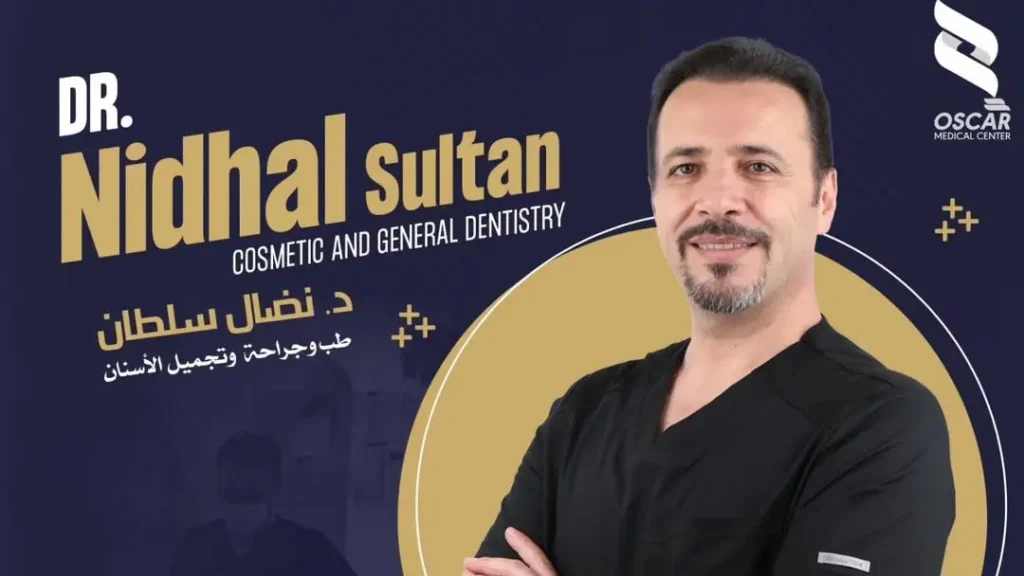
Regaining your smile requires a personalized touch. If you are in Dubai and considering dental implants, expert guidance is essential. We recommend consulting with Dr. Nidhal Sultan, a professional dedicated to achieving natural-looking, long-lasting results.
Whether you need a single tooth replacement or are looking into the full mouth dental implants cost in Dubai, a detailed assessment is the first step toward a healthier version of you.
Frequently Asked Questions (FAQs)
How long does a dental implant last?
With proper oral hygiene and regular dental checkups, a dental implant can last 25 years to a lifetime. The crown may need replacement due to wear and tear after 10–15 years, but the titanium post is designed to be permanent.
What is the downside of having dental implants?
The main “downsides” are the initial cost and the time required for healing. Because the bone needs time to bond with the implant, the process can take several months, which requires patience from the patient.
What I wish I knew before dental implants?
Many patients wish they had known how vital bone density is. If you wait too long after losing a tooth, the bone may shrink, requiring a bone graft before an implant can be placed. Acting sooner rather than later is always better.
What is a negative side effect of implants?
While rare, some patients may experience “implant failure” where the bone fails to fuse. This is often linked to smoking, poor hygiene, or underlying health conditions.
What can be done instead of a dental implant?
Alternatives include removable partial or full dentures and fixed dental bridges. However, these do not prevent bone loss in the jaw like implants do.
Conclusion
Navigating the world of restorative dentistry can feel overwhelming, but dental implants offer a reliable, aesthetic, and functional solution that stands the test of time. By understanding the process from the initial placement ofdental implants to the final restoration, you can take control of your oral health.
If you are ready to explore your options, reaching out to Dr. Nidhal Sultan for a consultation will provide you with the clarity needed to start your journey. Remember, a healthy smile is the foundation of your overall well-being.