Bone grafting for dental implants UAE: Rebuilding Foundations for Lasting Smiles
Facing tooth loss can be daunting, but bone grafting for dental implants UAE offers a reliable solution for many. This essential procedure rebuilds insufficient jawbone, creating the strong foundation needed for successful and long-lasting dental implants. As a leading dental implant specialist in Dubai, Dr. Nidhal Sultan ensures world-class care. Understand the process, benefits, and what to expect for your smile restoration.
Understanding the Search Intent: Why Patients Seek Bone Grafting for Dental Implants UAE
Patients searching for “bone grafting for dental implants UAE” are typically at a critical stage in their dental health journey. They are often individuals who have experienced tooth loss and are exploring permanent replacement options like dental implants. Their primary concerns revolve around understanding the necessity of bone grafting, the procedure itself, recovery timelines, potential costs, and most importantly, finding a trusted and experienced specialist in the UAE to ensure successful outcomes. This search intent reflects a desire for comprehensive information to make informed decisions about restoring their smile and oral function.
What is Bone Grafting for Dental Implants?
Bone grafting is a surgical procedure designed to add volume and density to your jawbone where it has deteriorated or is naturally insufficient. This is a common requirement when planning for dental implants Dubai.
Dental implants need a robust and stable bone structure to integrate properly and support your new teeth effectively. Without adequate bone, the implant may not fuse correctly, leading to potential failure.
Why do I need a bone graft for implant?
Many patients ask, “do I need a bone graft for implant?” You may need a bone graft if your jawbone lacks the necessary height, width, or density to securely hold a dental implant. This can occur due to:
- Tooth extraction without immediate replacement, leading to bone resorption.
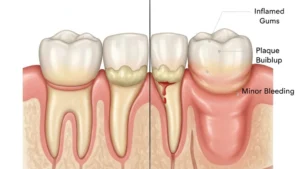
- Gum disease (periodontitis) that has damaged the supporting bone.
- Trauma or injury to the jaw.
- Long-term denture wear, which can accelerate bone loss.
- Congenital defects or natural anatomical variations.
A comprehensive 3D CBCT scan and clinical examination will determine if bone grafting is necessary for your specific case. This assessment helps design a precise treatment plan for your single tooth implant Dubai or multiple replacements.
Why is Bone Grafting Necessary for Dental Implants?
The success of dental implants hinges on a process called osseointegration, where the titanium implant post fuses directly with the jawbone. If there isn’t enough healthy bone, this fusion cannot happen reliably.
For patients in the UAE seeking permanent tooth replacement, ensuring a strong bone foundation is paramount for the longevity and stability of their dental implants.
What are the benefits of adequate bone for dental implants?
Sufficient bone volume and density offer several critical benefits for your dental implants:
- Enhanced Stability: A strong bone bed provides unwavering support, preventing implant movement.
- Successful Osseointegration: It allows the implant to fully integrate with your natural bone.
- Long-Term Durability: Well-supported implants can last for decades, often a lifetime.
- Aesthetic Outcome: Adequate bone helps maintain facial structure and gum line, contributing to a natural-looking smile.
- Reduced Risk of Failure: It significantly lowers the chances of implant complications or loss.
Types of Bone Grafts for Dental Implants
Several types of bone graft materials and techniques are available, chosen based on the extent of bone loss and the location in the jaw. Your dental specialist will recommend the most suitable option for your bone grafting procedure.
What are the different types of bone graft materials?
The primary categories of bone graft materials include:
- Autograft: Bone harvested from your own body (e.g., jaw, hip, tibia). This is considered the “gold standard” due to its excellent biocompatibility and living bone cells.
- Allograft: Bone sourced from a human donor, processed to ensure safety and sterility.
- Xenograft: Bone derived from animal sources, typically bovine (cow), also processed for safe human use.
- Alloplast: Synthetic bone graft materials, often made from biocompatible ceramics like tricalcium phosphate or hydroxyapatite.
Specific Bone Grafting Procedures
Beyond material types, different surgical techniques address specific bone deficiencies:
- Socket Preservation: Performed immediately after extraction to prevent bone collapse and prepare the site for future implants.
- Ridge Augmentation: Used to increase the width or height of the jawbone where it has become too thin or shallow.
- Block Bone Graft: Involves transplanting a small block of bone to a deficient area, often used for significant bone loss.
Understanding the Sinus Lift Procedure UAE
The sinus lift procedure UAE is a specialized bone grafting technique that addresses bone loss in the upper jaw, particularly when the maxillary sinuses are too close to the implant site. It involves lifting the sinus membrane to create space for bone graft material, allowing for secure placement of dental implants.
A Smart Smile Assessment can help determine the ideal approach for your needs.
The Bone Grafting Procedure: A Step-by-Step Guide
Understanding the bone grafting procedure can help ease any anxieties about the treatment. While specifics may vary, the general steps for this type of bone grafting are consistent.
What happens during a bone grafting surgery?
The procedure typically involves:
- Anesthesia: Local anesthesia is administered to numb the surgical area. Sedation options are also available for patient comfort.
- Incision: A small incision is made in the gum to expose the underlying jawbone.
- Graft Placement: The chosen bone graft material is carefully placed into the deficient area.
- Membrane Placement (Optional): A protective membrane may be placed over the graft to stabilize it and guide bone regeneration.
- Suturing: The gum tissue is carefully sutured back into place.
The entire process is performed with precision by an experienced oral surgeon or periodontist, often led by experts like Dr. Nidhal Sultan.
Recovery and Healing After Bone Grafting
Proper recovery is essential for the success of your bone graft. Following your post-operative instructions meticulously will ensure optimal healing and prepare your jaw for dental implant placement.
Bone Graft Healing Time Before Implant: What to Expect
The bone graft healing time before implant placement varies significantly. Generally, it can take anywhere from 3 to 9 months for the grafted bone to fully integrate and become strong enough to support an implant.
Factors influencing this timeline include the type and size of the graft, your body’s healing capacity, and overall health. Your dentist will monitor your progress with X-rays and scans.
What are the dietary restrictions after bone grafting?
During the initial healing phase, it is crucial to adhere to specific dietary guidelines:
- First Few Days: Stick to soft foods and liquids (e.g., soups, yogurt, smoothies).
- Weeks 1-2: Gradually introduce softer solids, avoiding chewing directly on the graft site.
- Avoid: Hot liquids, alcohol, crunchy, sticky, or hard foods that could dislodge the graft or irritate the surgical site.
Maintaining good oral hygiene, as instructed, is also vital to prevent infection.
Is bone grafting for dental implants painful?
While the procedure itself is performed under anesthesia, some discomfort is normal during the recovery period.
Pain can be managed effectively with prescribed pain medication, and swelling is common. Most patients report that the discomfort is manageable and subsides within a few days to a week. Applying ice packs can also help reduce swelling.
Potential Risks and Complications of Bone Grafting
Like any surgical procedure, bone grafting carries some potential risks and complications, although they are generally rare and manageable. Your dental professional will discuss these thoroughly with you.
What are common risks associated with bone grafting?
Potential risks can include:
- Infection at the surgical site.
- Swelling, bruising, and discomfort.
- Numbness or nerve damage (usually temporary).
- Graft rejection or failure to integrate.
- Sinus perforation (specifically with sinus lift procedures).
Choosing an experienced and qualified oral surgeon minimizes these risks significantly. Our dental case studies often highlight successful outcomes even in complex situations.
Bone Grafting Cost: What to Expect
The cost of bone grafting for dental implants in the region can vary widely depending on several factors. It’s important to get a clear and transparent breakdown from your dental clinic.
What affects the cost of bone grafting for dental implants in the UAE?
Several variables contribute to the overall price:
- Type of Graft Material: Autografts (using your own bone) may involve an additional surgical site, impacting cost. Allografts, xenografts, and alloplasts have different material costs.
- Extent of Bone Loss: Larger or more complex grafting procedures will naturally incur higher costs.
- Surgical Technique: Procedures like sinus lifts are more involved and therefore more expensive than simple socket preservation.
- Anesthesia Options: The choice of local anesthesia, conscious sedation, or general anesthesia will influence the total price.
- Clinic and Specialist Fees: The reputation, experience, and location of the dental clinic and surgeon in the UAE can affect pricing.
- Additional Procedures: Any concurrent treatments or medications will add to the final bill.
Sinus Lift Cost UAE
Understanding the sinus lift cost UAE is crucial for planning your treatment. A sinus lift procedure UAE, often necessary for upper jaw implants, can range significantly in cost. This is due to its complexity and the specialized skills required. Prices are typically discussed during your initial consultation after a thorough evaluation of your specific needs.
We believe in transparent pricing with “zero hidden fees” at our practice locations.
Choosing the Right Clinic for Bone Grafting in Dubai/UAE
Selecting an experienced and reputable dental clinic is crucial for the success and safety of your dental implant procedure involving bone grafting. The right choice ensures peace of mind and optimal results.
What should I look for in a dental clinic for bone grafting?
Consider the following factors when making your decision:
- Specialist Expertise: Ensure the clinic has highly qualified oral surgeons or periodontists with extensive experience in bone grafting and dental implantology.
- Technology and Facilities: Look for clinics utilizing advanced diagnostic tools (like 3D CBCT scans) and modern surgical equipment.
- Patient Testimonials and Reviews: Check Google reviews and patient testimonials to gauge other patients’ experiences.
- Transparency in Pricing: A reputable clinic will provide a clear estimate with no hidden costs.
- Aftercare and Support: Comprehensive post-operative care instructions and accessible support are vital for a smooth recovery.
Our clinic prides itself on providing world-class care, supported by numerous positive reviews and testimonials.
Latest Advancements in Bone Grafting for Dental Implants
Dental science is continuously evolving, and bone grafting techniques are no exception. Recent advancements focus on accelerating healing and improving predictability for bone grafting for dental implants.
What are new developments in bone graft materials and techniques?
Modern approaches include:
- Platelet-Rich Plasma (PRP) and Platelet-Rich Fibrin (PRF): These are derived from your own blood and contain growth factors that can significantly enhance healing and bone regeneration.
- Biomimetic Materials: Grafts designed to mimic the natural structure and composition of bone, promoting faster and more predictable integration.
- 3D Printing: Customized bone grafts created using 3D printing technology for precise fit and optimal regeneration in complex cases.
- Minimally Invasive Techniques: Advances in surgical methods allow for less invasive grafting procedures, leading to quicker recovery times.
Staying updated with these advancements ensures patients receive the most effective and efficient treatments available. You can find more information in our dental blogs.
Frequently Asked Questions About Bone Grafting for Dental Implants
How long after bone graft can I get an implant?
Typically, you can get a dental implant 3 to 9 months after a bone graft procedure. This waiting period allows sufficient time for the grafted bone to fully integrate and heal, creating a stable foundation for the implant. Your dentist will confirm readiness with diagnostic imaging.
What is the success rate of bone grafting for dental implants?
Bone grafting for dental implants boasts a high success rate, often exceeding 90-95%, when performed by experienced specialists. Success depends on factors like graft type, patient health, and adherence to post-operative care. Proper integration of the graft is key to long- term implant stability.
Can I get dental implants without bone grafting if I have bone loss?
In most cases of significant bone loss, bone grafting is essential for successful dental implants. Without it, the implant may not have enough support, leading to failure. However, in some situations, alternative treatments like shorter implants or zygomatic implants might be considered, but these are less common.
What is a sinus lift and how does it relate to bone grafting?
A sinus lift is a specific type of bone grafting procedure performed in the upper jaw, specifically to add bone to the area near the molars and premolars. It lifts the sinus membrane to create space for bone graft material, allowing for secure placement of All On 6 Dental Implants Dubai.
What is the longest bone graft healing time before implant?
The longest bone graft healing time before implant placement can extend up to 9-12 months, especially for extensive procedures like block grafts or large sinus lifts. This extended period ensures complete maturation and density of the new bone, providing maximum stability for the subsequent dental implant.
Resources and Further Reading
- American Association of Oral and Maxillofacial Surgeons: Provides detailed information on bone grafting procedures and dental implants.
- American Academy of Periodontology: Offers patient education on periodontal health and bone regeneration.
- National Institutes of Health (NIH) – Bone Grafting in Implant Dentistry: A scholarly article discussing various bone grafting techniques and materials.
Conclusion
bone grafting for dental implants UAE is a highly effective and often necessary procedure to ensure the long-term success and stability of your dental implants. By rebuilding a strong foundation, it paves the way for a confident, functional, and aesthetically pleasing smile that can last a lifetime. Understanding the process, recovery, and cost factors empowers you to make informed decisions about your oral health journey.
Ready to Take the Next Step?
If you’re considering dental implants and believe bone grafting might be part of your journey, don’t let uncertainty hold you back. Our premium dental practice in Dubai specializes in world-class implantology and cosmetic dentistry Dubai. We offer free consultations, including a 3D CBCT assessment, to craft a personalized treatment plan with transparent pricing. Discover your path to a stable, beautiful smile. Schedule your expert consultation with Dr. Nidhal Sultan today.