Porcelain Veneers vs Composite Veneers: Your Path to a Radiant Smile
Choosing between Porcelain Veneers vs Composite Veneers is a pivotal decision for anyone seeking a radiant smile transformation in Dubai. Authored by Dr. Nidhal Sultan, a leading cosmetic dentist, this guide offers expert insights. We empower patients with clear information to make the best decisions for their dental health and aesthetic goals, thoroughly comparing these popular cosmetic dental solutions.
Search Intent Analysis: What Drives Your Choice Between Veneers?
When considering a smile transformation, patients often seek clear answers regarding durability, aesthetics, cost, and procedure time. Your primary goal might be a long-lasting, natural-looking enhancement, or perhaps a quicker, more budget-friendly solution. This article aims to address these core questions, helping you navigate the choice between Porcelain Veneers vs Composite Veneers to align with your personal aesthetic and practical needs.
Understanding Dental Veneers: Porcelain and Composite
Dental veneers are thin shells customized to cover the front surface of teeth, correcting imperfections such to improve appearance. They are a cornerstone of cosmetic dentistry, addressing issues like discoloration, chips, gaps, and misalignment.
Understanding the fundamental differences between porcelain veneers and composite veneers is crucial for making an informed choice. Both materials serve the same purpose but achieve it through distinct processes and with varying characteristics.
Porcelain veneers are custom-fabricated in a dental lab from medical-grade ceramic, offering exceptional strength and a highly natural appearance. Composite veneers, on the other hand, are crafted directly on your teeth using a tooth-colored resin material during a single visit.
Porcelain Veneers vs Composite Veneers: A Detailed Side-by-Side Comparison
When considering a smile enhancement, a direct comparison of these two popular veneer types reveals key distinctions. For a comprehensive smile transformation, explore smile makeovers. Review this table to understand the primary differences between these popular cosmetic options.
| Feature | Porcelain Veneers | Composite Veneers |
|---|---|---|
| Material | High-strength dental ceramic (porcelain) | Tooth-colored resin (composite) |
| Durability/Lifespan | 10-15+ years (highly durable) | 5-7 years (less durable) |
| Aesthetics | Superior translucency, highly natural, mimics tooth enamel | Good, but may lack natural translucency of porcelain |
| Stain Resistance | Highly resistant to stains | More prone to staining over time |
| Procedure Time | Typically 2-3 appointments | Usually 1 appointment |
| Tooth Preparation | Requires minor enamel removal (irreversible) | Minimal to no enamel removal (often reversible) |
| Repairability | Difficult to repair, often requires full replacement | Easily repairable in most cases |
| Cost (per tooth) | Higher investment (e.g., AED 2,500 – AED 5,000+ in Dubai) | Lower investment (e.g., AED 800 – AED 1,800+ in Dubai) |
The Advantages and Disadvantages of Porcelain Veneers
Porcelain veneers are often considered the gold standard in cosmetic dentistry for their exceptional qualities. However, like any dental procedure, they come with their own set of considerations.
What are the specific pros and cons of porcelain veneers?
Understanding the full spectrum of benefits and drawbacks is essential before committing to porcelain veneers for your smile transformation.
| Advantages of Porcelain Veneers | Disadvantages of Porcelain Veneers |
|---|---|
| Exceptional durability and longevity (10-15+ years). | Irreversible procedure due to enamel removal. |
| Superior aesthetic match to natural teeth, including translucency. | Higher upfront cost per tooth. |
| Highly resistant to stains from coffee, tea, and red wine. | Cannot be easily repaired if chipped or cracked; often requires full replacement. |
| Stronger and more resistant to chipping than composite. | Longer treatment timeline (multiple appointments). |
| Non-porous surface promotes better gum health. | Increased tooth sensitivity post-preparation for some patients. |
The Advantages and Disadvantages of Composite Veneers
Composite veneers offer a more conservative and often quicker solution for enhancing your smile. They are a versatile option for many cosmetic concerns, but it’s important to be aware of their limitations.
What are the specific pros and cons of composite veneers?
Here’s a breakdown of what you can expect when choosing composite veneers for your cosmetic dental needs.
| Advantages of Composite Veneers | Disadvantages of Composite Veneers |
|---|---|
| More affordable initial cost. | Shorter lifespan (typically 5-7 years). |
| Often completed in a single dental visit. | More prone to staining over time compared to porcelain. |
| Minimal to no tooth enamel removal, making it a reversible procedure. | Less durable and more susceptible to chipping or fracture. |
| Easily repaired if damaged. | May not achieve the same natural translucency as porcelain. |
| Requires regular polishing to maintain luster. |
Cost Considerations: Porcelain Veneers vs Composite Veneers in the UAE
The investment for these two veneer types is often a primary factor for patients in Dubai and across the UAE. While composite veneers present a lower upfront cost, porcelain veneers represent a longer-term investment. For detailed information on porcelain veneers, visit our dedicated page.
What is the cost difference between porcelain and composite veneers?
In Dubai, porcelain veneers typically range from AED 2,500 to AED 5,000+ per tooth, reflecting the premium materials, laboratory craftsmanship, and extended lifespan. Our dental gallery showcases the transformative results.
Composite veneers generally cost between AED 800 and AED 1,800+ per tooth in the UAE. This lower price point is due to the direct application method and the material’s shorter durability. We always provide transparent pricing with zero hidden fees.
When evaluating costs, consider not just the initial expense but also the longevity and potential for repairs or replacements over time. A free consultation can provide a personalized quote.
Choosing the Right Veneer Option for Your Smile Goals
The ideal choice between these two popular veneer types hinges on your individual needs, aesthetic aspirations, budget, and lifestyle. We guide each patient through a thorough assessment to determine the best fit. For more on porcelain veneers, see our dedicated page.
Which veneer option is better for minor dental corrections?
For minor chips, small gaps, or slight discolorations, composite veneers are often an excellent and conservative choice. Their direct application allows for precise, immediate adjustments and a less invasive procedure.
If you’re seeking a complete smile overhaul, desiring maximum durability, superior stain resistance, and the most natural-looking aesthetics, porcelain veneers are typically recommended. They offer a more dramatic and long-lasting transformation. Take our Smart Smile Assessment to get an initial idea of your options.
Recent Innovations and Trends in Dental Veneers (Freshness Angle)
The field of cosmetic dentistry is constantly evolving, with exciting advancements impacting both Porcelain Veneers and composite options. These innovations are enhancing results, patient comfort, and longevity.
Digital smile design (DSD) is now a standard, allowing patients to visualize their new smile before treatment begins. This technology integrates 3D imaging and AI to create a predictable and personalized outcome for both porcelain and composite veneer cases.
Newer generations of composite resins boast improved strength, polish retention, and chameleon-like blending capabilities, making them more aesthetically competitive. Similarly, ultra-thin porcelain materials now allow for minimal-prep or even no-prep porcelain veneers in suitable cases, preserving more natural tooth structure.
Maintaining Your Veneers: Essential Care for Longevity
Regardless of whether you choose Porcelain Veneers or Composite Veneers, proper oral hygiene and regular dental check-ups are paramount to ensure their longevity and maintain your radiant smile.
Brush twice daily with a non-abrasive toothpaste and floss regularly. Avoid using your teeth as tools, and refrain from biting on excessively hard foods like ice or hard candies, as this can chip or fracture your veneers.
For composite veneers, consider limiting consumption of heavily staining foods and drinks, and schedule regular polishing appointments to maintain their luster and reduce stain accumulation.
Addressing Common Concerns About Dental Veneers
Many patients have questions and concerns regarding veneers. Let’s clarify some common misconceptions about both porcelain veneers and composite veneers.
Are porcelain veneers a reversible dental procedure?
No, porcelain veneers are generally not considered reversible. The process requires a small amount of enamel to be removed from the tooth surface to ensure proper fit and a natural appearance. Once enamel is removed, it cannot be replaced.
Is composite bonding the same as composite veneers?
While often used interchangeably, composite bonding typically refers to using composite resin to repair minor chips, cracks, or fill small gaps in a localized area. Composite veneers, specifically, involve covering the entire front surface of a tooth with composite resin for a more comprehensive aesthetic change.
Frequently Asked Questions About Porcelain Veneers vs Composite Veneers
Which lasts longer, porcelain or composite veneers?
Porcelain veneers significantly outlast composite veneers. With proper care, porcelain veneers can last 10 to 15 years or even longer, while composite veneers typically last 5 to 7 years before needing repair or replacement. This difference in longevity is a major factor in their comparative costs.
Are porcelain veneers more natural-looking than composite?
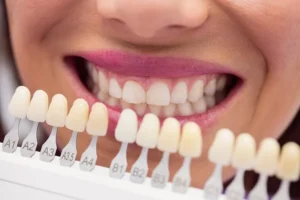
Generally, yes. Porcelain veneers excel in mimicking the natural translucency and light-reflecting properties of tooth enamel, providing a highly realistic and aesthetic result. While composite veneers can look very good, they may not achieve the same depth and natural glow as porcelain. View our dental gallery for examples.
Can composite veneers be repaired easily?
Yes, one of the key advantages of composite veneers is their ease of repair. If a composite veneer chips or cracks, your dentist can often repair it directly in the chair with additional composite resin, without needing to replace the entire veneer.
Does porcelain vs composite veneers require more tooth enamel removal?
Porcelain veneers typically require a greater amount of tooth enamel removal compared to composite veneers. This preparation ensures the porcelain shell sits flush and looks natural. Composite veneers often require minimal to no enamel removal, making them a more conservative option for tooth preservation.
How long does the procedure take for each type of veneer?
The procedure for composite veneers is usually completed in a single visit, as the material is applied and sculpted directly onto the teeth. Porcelain veneers require multiple appointments: one for preparation and impressions, and a subsequent visit to bond the custom-fabricated veneers. Meet Dr. Nidhal Sultan for a personalized assessment.
Do composite veneers stain easily compared to porcelain?
Yes, composite veneers are more susceptible to staining than porcelain veneers. Porcelain is a non-porous material, making it highly resistant to discoloration from food and drinks. Composite resin is more porous and can absorb pigments over time, requiring more diligent care and potentially more frequent polishing.
What is the average lifespan of composite veneers?
The average lifespan of composite veneers is typically between 5 to 7 years. This can vary depending on oral hygiene, dietary habits, and whether the patient grinds their teeth. Regular maintenance and careful use can help extend their lifespan.
Resources and Further Reading
- American Dental Association (ADA): Provides general information on dental veneers and cosmetic dentistry.
- American Academy of Cosmetic Dentistry (AACD): Offers detailed insights into porcelain veneers, their benefits, and the procedure.
- Colgate Oral Health Center: Information on composite veneers and their application in cosmetic dentistry.
Conclusion
Deciding between these two popular veneer types is a personal choice influenced by many factors. Porcelain offers unmatched durability and aesthetics for a premium, long-lasting transformation, while composite provides an accessible, quick, and reversible solution for enhancing your smile. Both options, when expertly applied, can deliver stunning results. For detailed information on porcelain veneers and composite veneers, explore our services.
Ready to Take the Next Step?
If you’re in Dubai or the UAE and considering a smile transformation, connect with Dr. Nidhal Sultan’s office today. Our team is dedicated to providing bespoke cosmetic dentistry solutions, from porcelain veneers to complete smile makeovers. Schedule your consultation to discuss your aesthetic goals and discover which veneer option is perfect for you.