
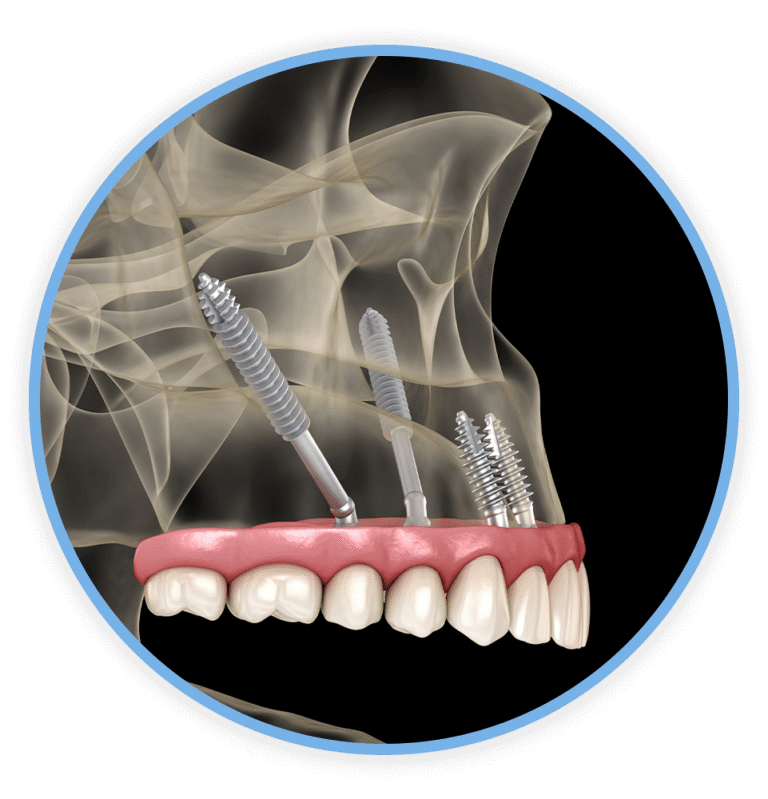


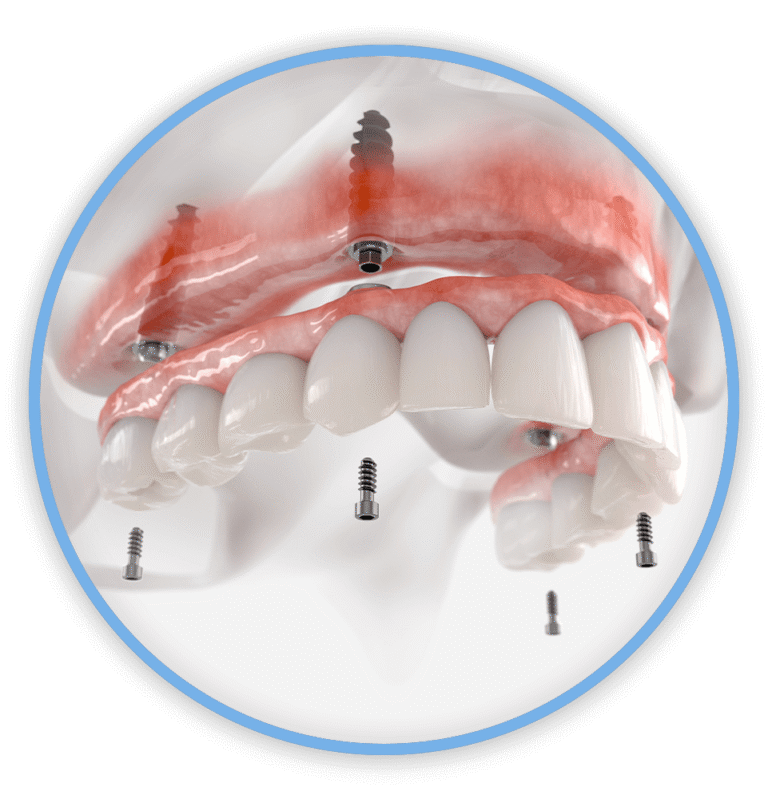
Severe upper-jaw bone loss
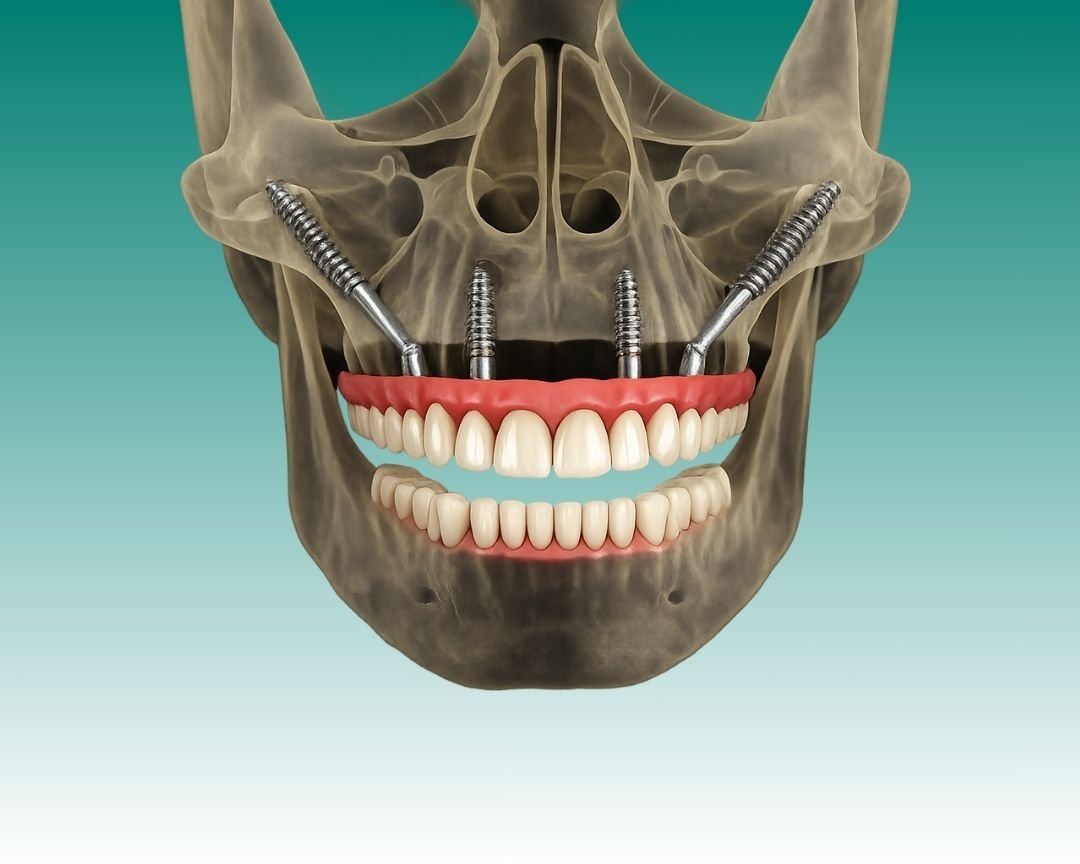
Severe upper jawbone loss can make standard implants impossible. Zygomatic implants anchor into the cheekbone instead, bypassing the missing or severely resorbed jawbone entirely.
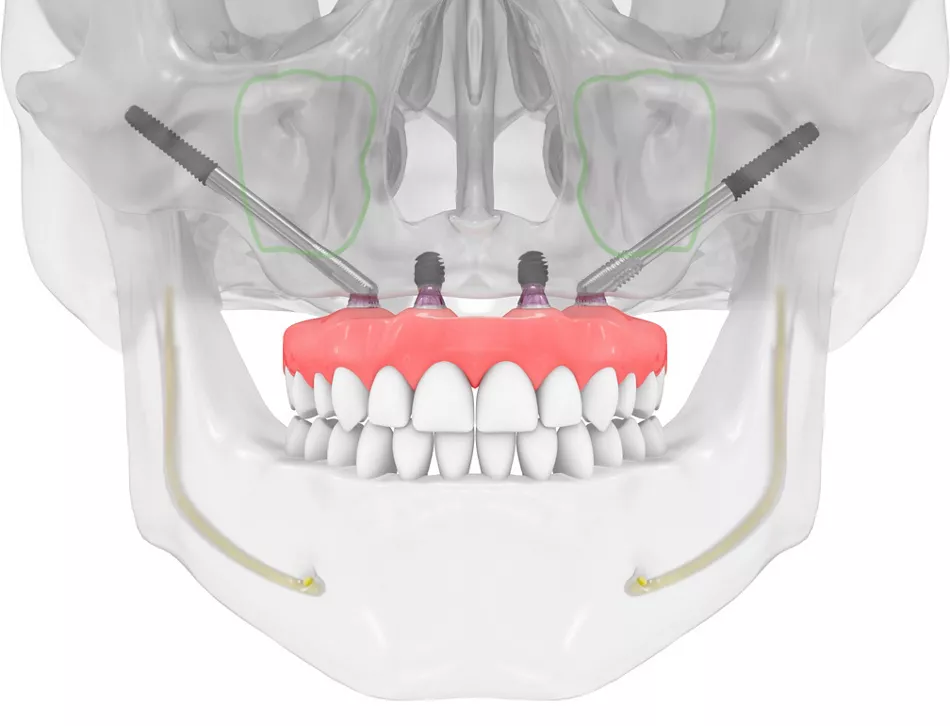
For patients who have been told they cannot have dental implants in Dubai due to severe bone loss, zygomatic implants change everything. Rather than anchoring into the jawbone, which has deteriorated too far to support standard implants, zygomatic implants are fixed directly into the dense, stable zygomatic bone of the cheek. No bone grafting. No lengthy waiting period. Dr. Nidhal Sultan provides zygomatic implant treatment across two hospital locations in Dubai, with every case planned using 3D CBCT imaging.
Most people in Dubai who have been told they cannot have dental implants have experienced significant bone loss in the upper jaw, whether through prolonged tooth loss, trauma, failed previous implants, or an underlying medical condition. Standard implants require a minimum of dense, healthy bone to integrate successfully. When that bone simply is not there, zygomatic implants provide a predictable, long-term solution by using the cheekbone, which retains its density even after years of jawbone deterioration, as the anchor point instead.
Dr. Nidhal Sultan plans every zygomatic implant case using 3D CBCT imaging, which produces a precise three-dimensional model of the patient’s anatomy. This allows him to map the exact trajectory of each implant into the zygomatic arch before surgery begins, minimizing risk and maximizing accuracy in one of the most technically demanding procedures in implantology.
Zygomatic implants are a specialist solution. Not everyone who needs dental implants in Dubai will require them. They are reserved for specific clinical situations where conventional implants, even with bone grafting, would not deliver a reliable outcome.
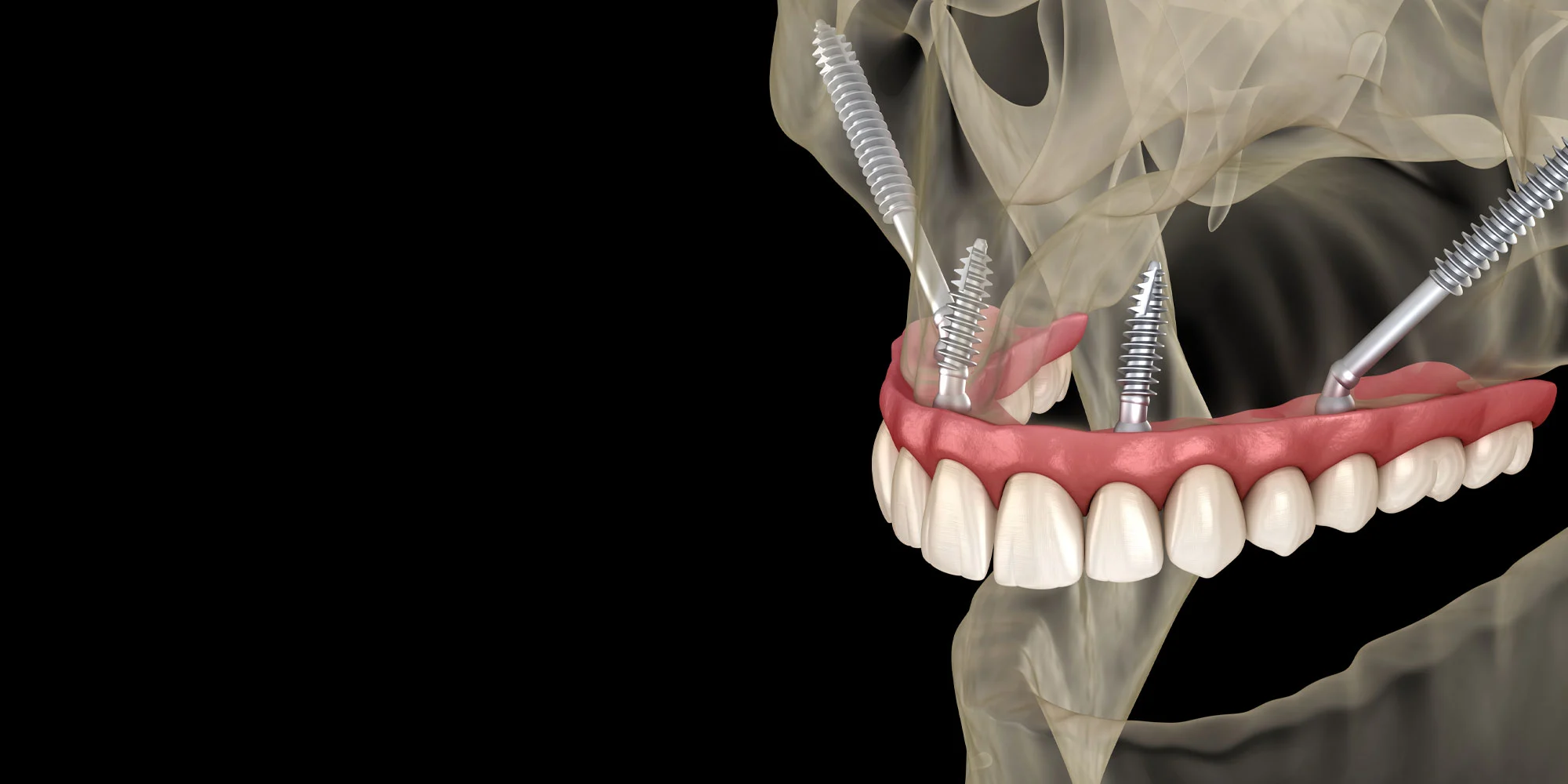
These situations commonly indicate that standard implant treatment may not provide sufficient stability or predictability.
Severe upper jawbone loss can make standard implants impossible. Zygomatic implants anchor into the cheekbone instead, bypassing the missing or severely resorbed jawbone entirely.
Some patients have been told by three or more clinics in Dubai that conventional dental implants cannot be placed because the remaining bone volume is too limited. Zygomatic implants are designed precisely for this type of advanced case.
A previous graft may have failed, or a medical condition such as uncontrolled diabetes or bisphosphonate use may make grafting too risky. Zygomatic implants can provide an alternative pathway because they do not depend on rebuilding the upper jawbone first.
Wearing a full upper denture for many years can gradually cause the jawbone to resorb and shrink. When this loss becomes advanced, zygomatic implants may offer the most direct route from a removable denture to fixed teeth.
Removing all upper teeth at the same time can trigger rapid bone remodelling and collapse. In some patients, this leaves too little structure for predictable conventional implant placement.
Severe infection, facial trauma or tumour resection surgery can remove or damage major parts of the upper jaw. In these cases, the zygomatic arch may remain the only sufficiently stable structure available for implant anchorage.
Patients who want a fixed full-arch result in Dubai may prefer to avoid the prolonged healing periods associated with extensive bone grafting. Zygomatic implants can often support same-day temporary fixed teeth when clinical stability and overall health permit.
Zygomatic implants are one of several possible full-arch treatment strategies. Three-dimensional diagnostics determine which pathway is clinically appropriate.
Measures available jawbone and cheekbone anatomy from multiple angles.
Evaluates implant trajectories, sinus anatomy and restorative space.
Compares zygomatic implants, All-on-4, grafting or a combined approach.
Creates a personalised surgical and restorative treatment sequence.
Understanding the difference between zygomatic and standard implants helps patients appreciate why zygomatic implants exist as a separate and far more specialised clinical category. Both approaches aim to provide permanently fixed, natural-feeling teeth, but they achieve that goal in fundamentally different ways.
Anchored directly into the upper or lower jawbone and dependent on sufficient bone volume and density.
Anchored into the dense cheekbone, bypassing a severely resorbed upper jaw and often eliminating the need for bone grafting.
Because zygomatic implants involve a technically advanced surgical approach under general or IV sedation, preparation is more involved than for standard implant procedures. Dr. Nidhal Sultan's team guides every patient through each stage before treatment begins.
Your journey begins with a detailed 3D cone beam CT scan at the clinic in Dubai. This scan maps your cheekbone anatomy, sinus architecture and any remaining jawbone.
Dr. Nidhal Sultan uses the scan to design the implant placement plan before you enter the operating room.
Zygomatic implants are performed under IV sedation or general anesthesia. A preoperative medical assessment is therefore required to confirm that you are fit for sedation and surgery.
Your general health, medical history and relevant test results are assessed before the surgical appointment is confirmed.
Inform Dr. Nidhal Sultan of all current medications. Certain medicines can affect bleeding, healing, infection risk, bone metabolism or anesthesia planning.
Do not stop or change any prescribed medication independently. Any temporary pause must be based on medical advice.
You will be asked to fast before your zygomatic implant surgery. This is an essential anesthesia safety requirement.
Follow the exact fasting time provided by the clinical and anesthesia team, even if it differs from the general six-hour guideline.
You will not be able to drive after zygomatic implant surgery. Arrange for a responsible adult to accompany you home and support you during the early recovery period.
You must not drive following IV sedation or general anesthesia.
Reduce physical activity and allow the initial healing phase to begin comfortably.
Avoid hard, crunchy or chewy food during the early recovery period.
Complete your 3D CBCT assessment.
Receive medical and anesthesia clearance.
Declare all medications and health conditions.
Follow the confirmed fasting instructions.
Arrange transport and home support.
Prepare soft meals for early recovery.
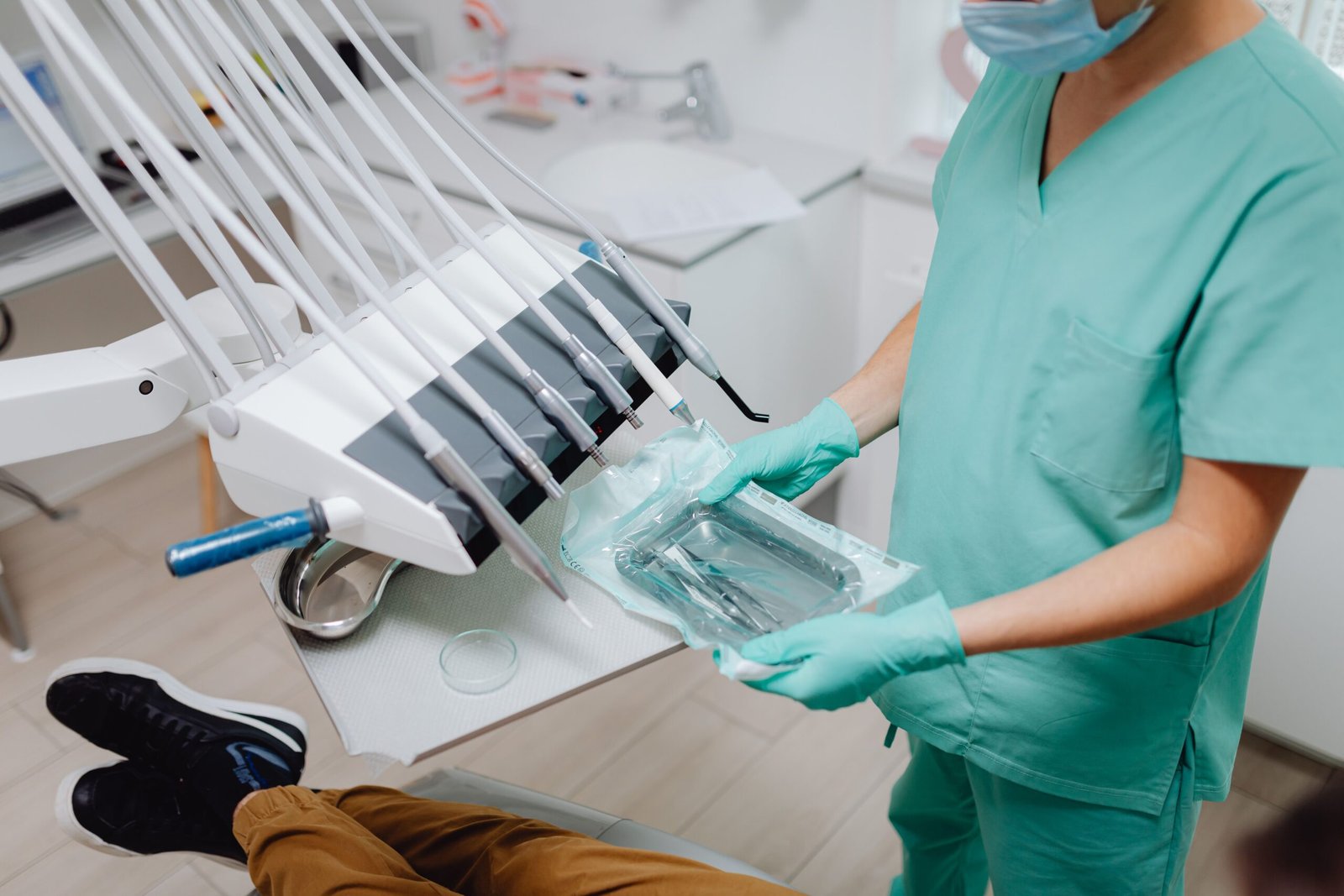
Zygomatic implant surgery in Dubai is performed at Dr. Nidhal Sultan's hospital-based clinic locations, ensuring that full surgical facilities, anesthesia support and post-operative monitoring are available throughout the procedure.
You are placed under IV sedation or general anesthesia, depending on the complexity of your case and your medical profile. You remain completely comfortable and do not feel pain during the procedure.
The anesthesia approach is selected according to your treatment complexity, health and surgical requirements.
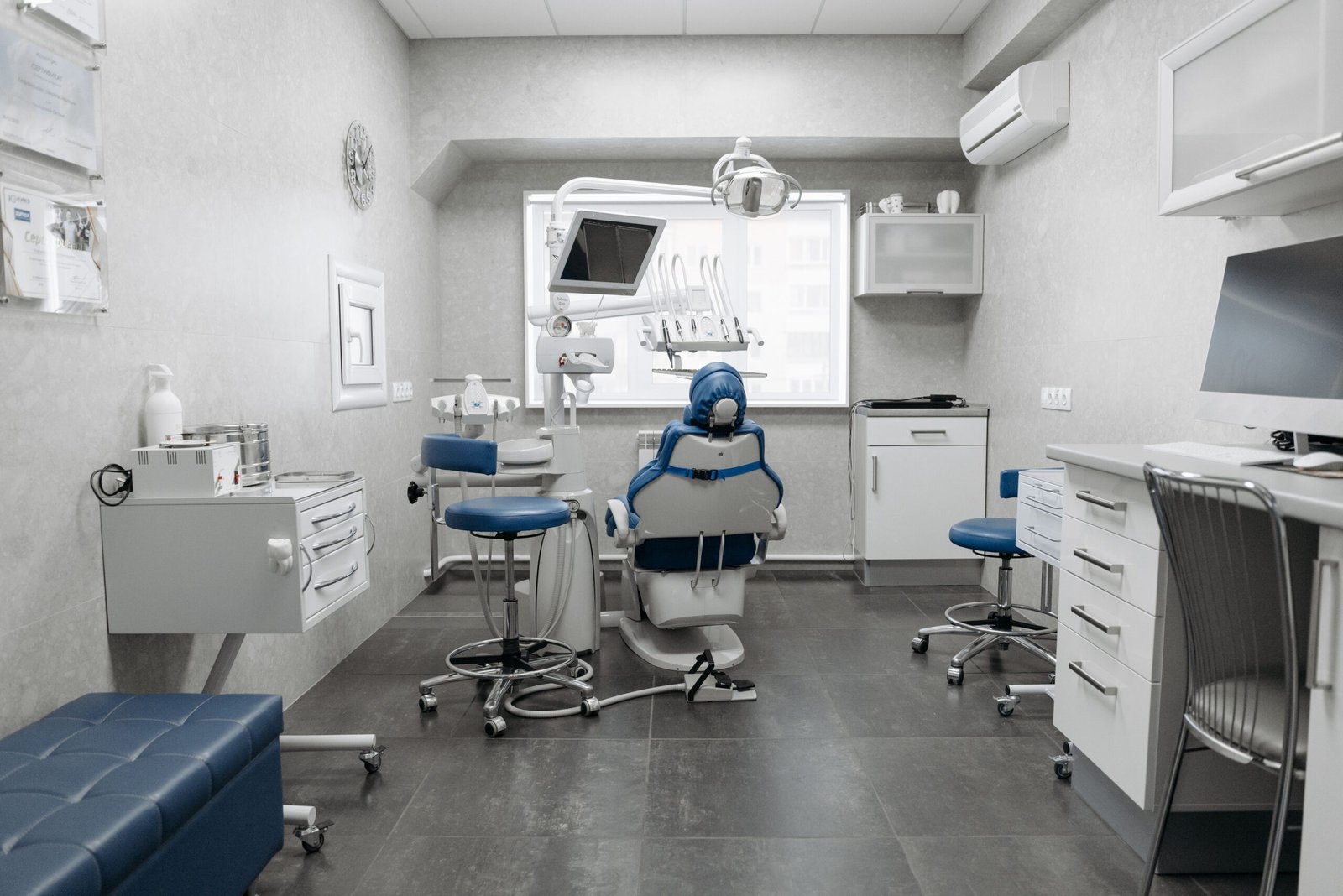
Monitored sedation
A carefully designed incision is made in the gum tissue of the upper jaw to expose the underlying bone and provide controlled access toward the zygomatic arch.
The surgical pathway is created with careful attention to the surrounding anatomical structures.
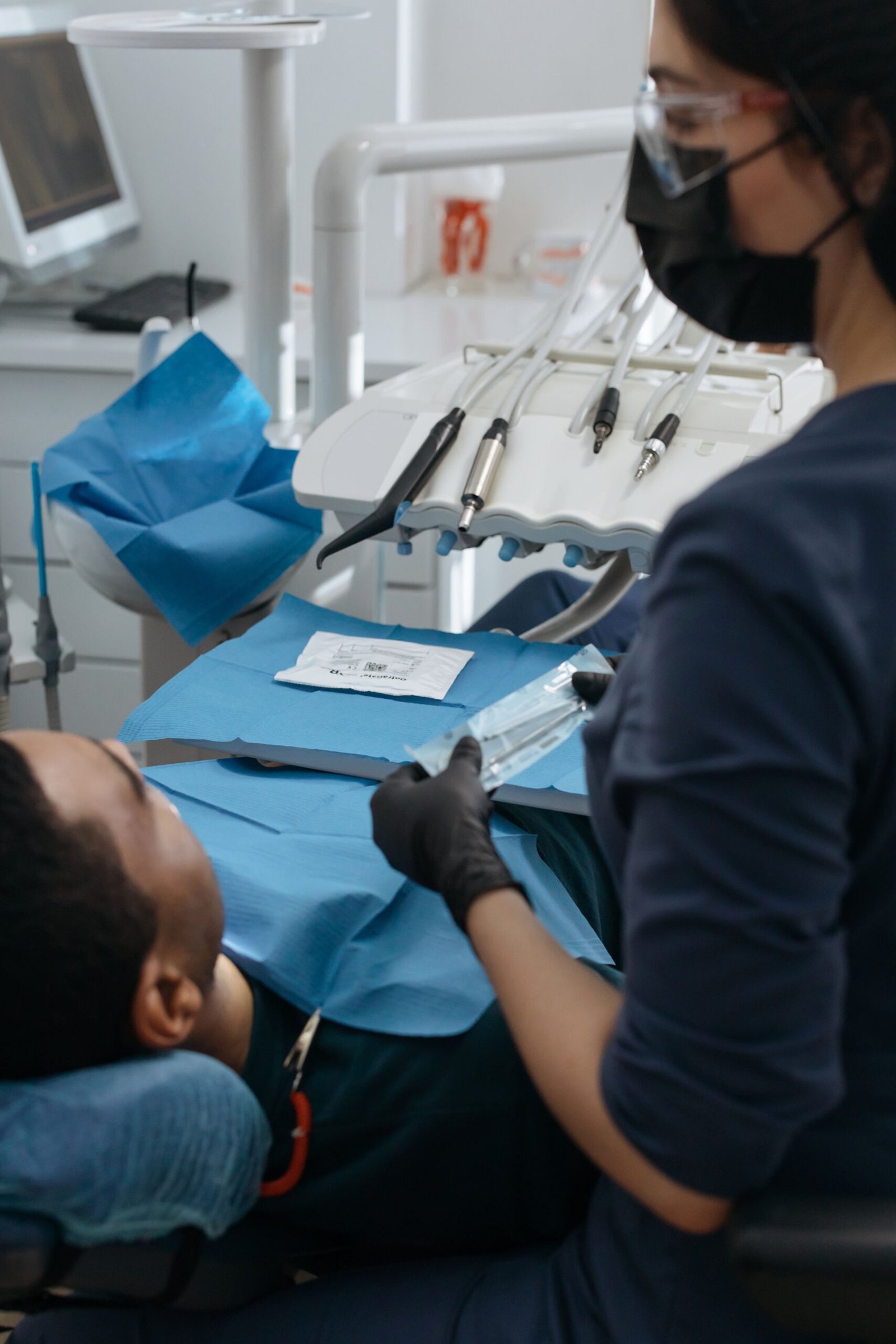
Controlled access
Using the trajectory mapped in your 3D pre-surgical plan, Dr. Nidhal Sultan creates a precise channel through the remaining upper-jaw tissue and into the dense cheekbone.
This is why 3D-guided planning is essential for zygomatic implant surgery.
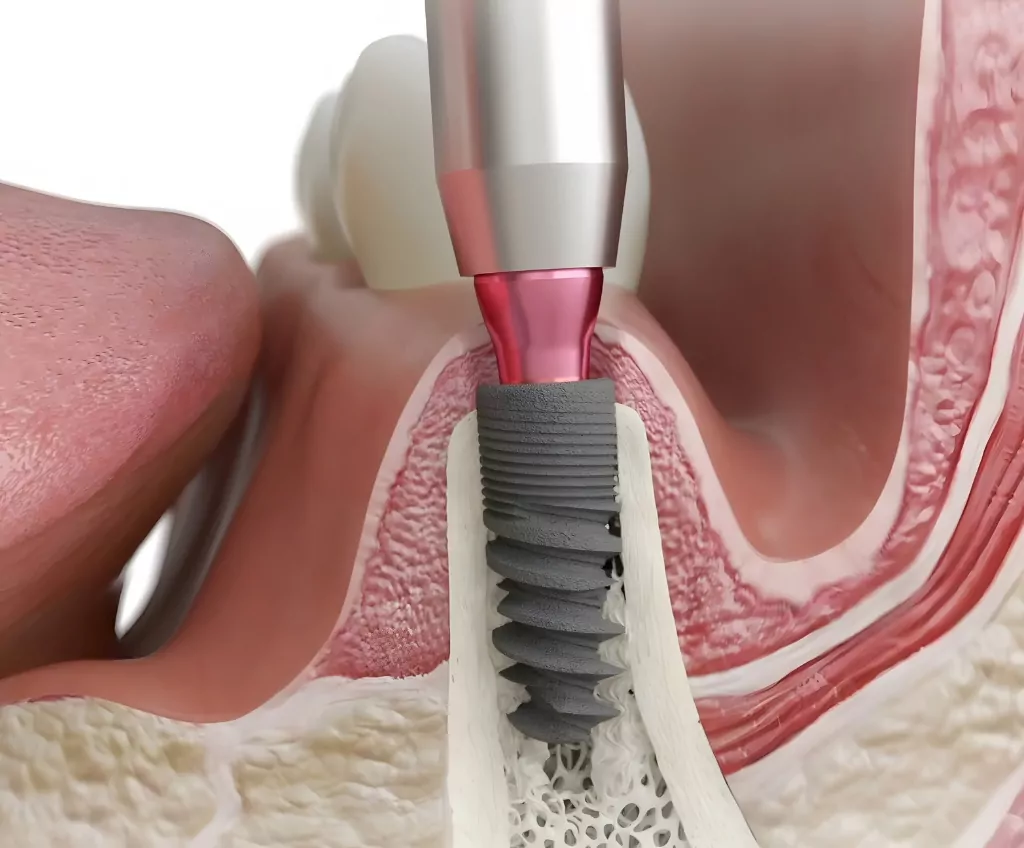
3D-planned trajectory
The zygomatic implant, typically between 30 and 52.5 mm in length, is threaded into the prepared channel and anchored securely within the dense zygomatic bone.
Secure cheekbone anchor
In appropriate cases, a fixed temporary full-arch prosthesis is attached to the implants on the same day. This allows you to leave the clinic with functional, fixed teeth.
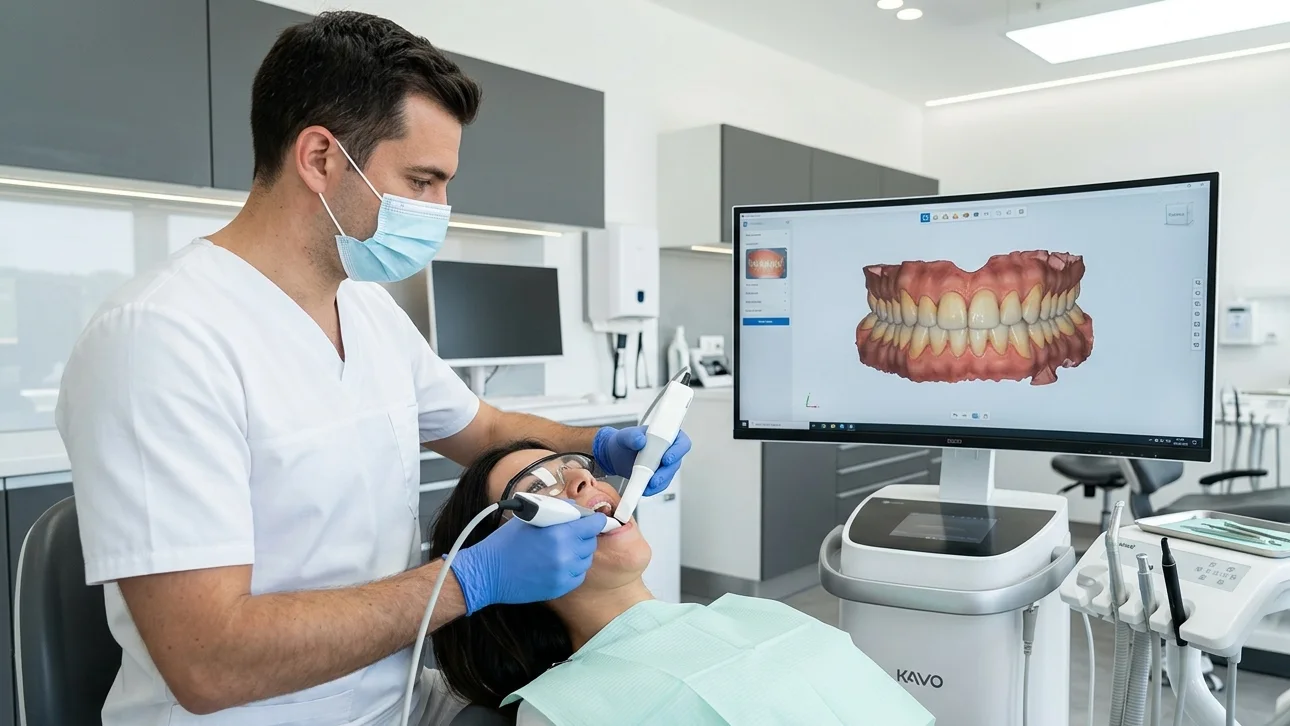
Fixed full-arch teeth
The surgical site is sutured and you are transferred to recovery for post-operative monitoring before discharge from the Dubai clinic.
You receive medication guidance, diet instructions, hygiene advice and details of your follow-up schedule.
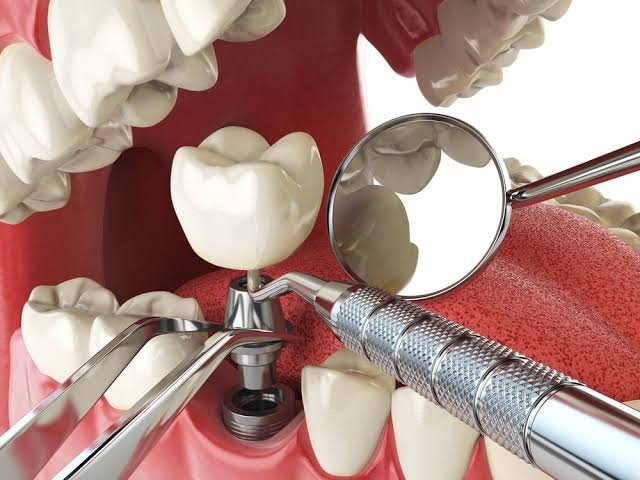
Recovery and discharge
Every stage follows a digitally planned sequence designed to protect critical anatomy, secure implant stability and support predictable full-arch rehabilitation.
IV sedation or general anesthesia.
Controlled surgical exposure.
3D-guided implant trajectory.
Secure zygomatic anchorage.
Temporary full-arch prosthesis.
Monitoring and aftercare.
Recovery from zygomatic implant surgery follows a predictable pattern when patients follow Dr. Nidhal Sultan's aftercare guidance carefully. The first few days involve the most noticeable discomfort, which is generally well managed with prescribed medication.
Rest, swelling control and very soft nutrition are the main priorities.
Moderate facial swelling, bruising around the cheek and eye area, and discomfort are expected during the first few days. Prescribed pain relief is used to keep these symptoms under control.
Swelling and bruising gradually subside. Most patients in Dubai return to desk-based work within five to seven days, depending on how they feel and the nature of their work.
Physical work may require a longer recovery period and should be discussed with the clinical team.
Energy levels return toward normal while the implants continue integrating with the cheekbone. Daily activities usually become easier, but the healing implants still require protection.
Bone cells begin forming a stable biological connection around the implant surface.
The zygomatic implants continue integrating with the zygomatic bone. Your temporary prosthesis remains functional, but it should not be exposed to excessive biting pressure.
The bone-to-implant connection strengthens progressively before permanent restoration planning.
Avoid excessive biting force until implant integration is clinically confirmed.
Once full implant integration is confirmed, the permanent zirconia full-arch prosthesis is designed, fabricated and fitted at the Dubai clinic, completing your zygomatic implant journey.
Healing speed varies between patients, but these principles remain important throughout the recovery journey.
Take antibiotics, anti-inflammatories and pain medication exactly as prescribed.
Protect the temporary prosthesis and healing implants from excessive chewing pressure.
Use the recommended rinse and soft brushing technique around the healing areas.
Gradually return to normal activity while avoiding heavy exercise and facial impact.
Attend every follow-up so healing and implant integration can be clinically verified.
Like all surgical procedures, zygomatic implants carry risks — and Dr. Nidhal Sultan believes in full transparency before any treatment begins. Understanding these risks is an essential part of the consent process.
Risks are assessed individually according to your anatomy, medical profile, sinus health and treatment complexity.
Rare complications can occur, but careful diagnostics, experienced surgery and structured aftercare reduce risk.
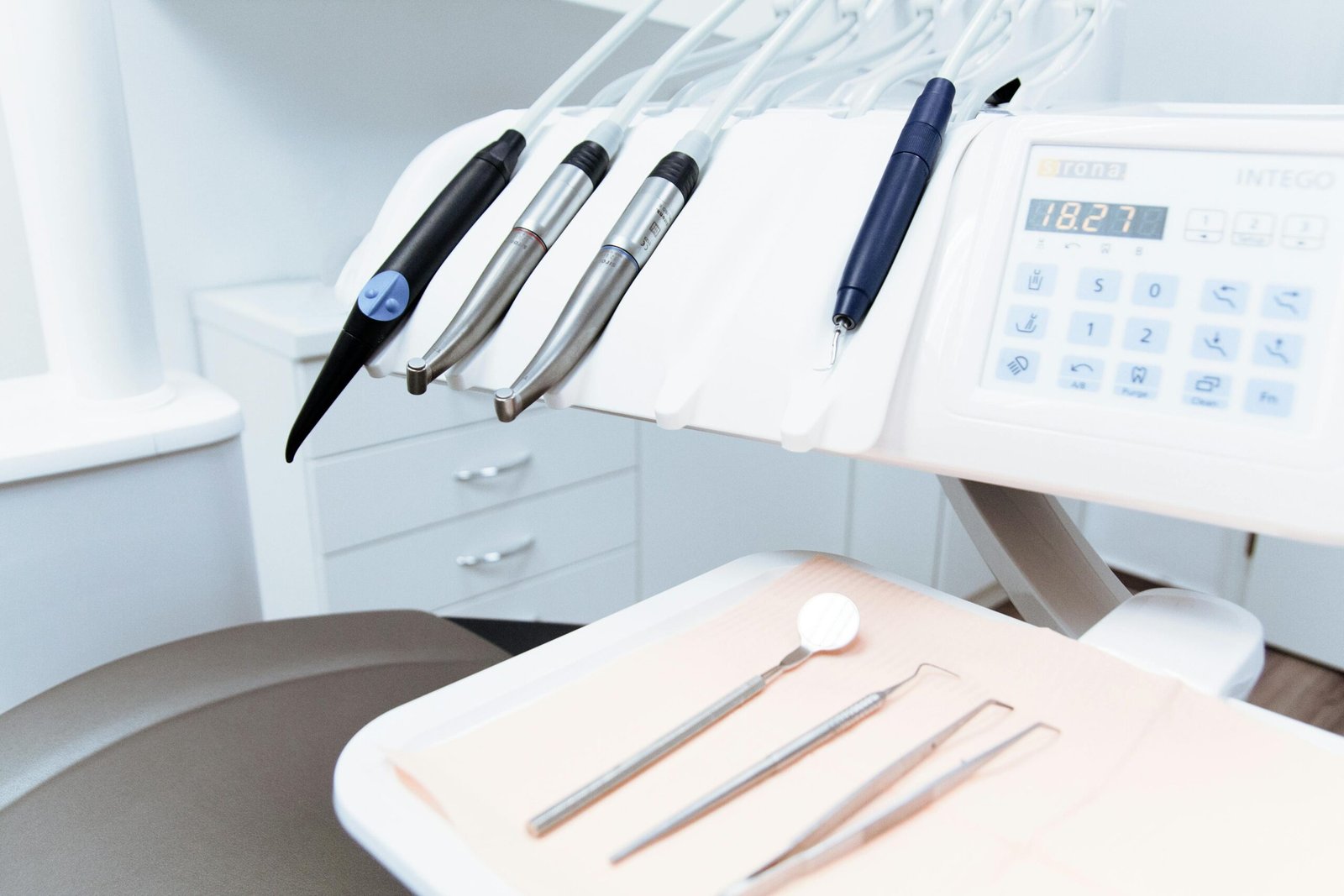
The implant trajectory passes near the maxillary sinus. In some cases, chronic sinusitis can develop after surgery.
The long implant pathway may pass beside or through areas close to the sinus cavity, making precise anatomical control essential.
As with any implant procedure, peri-implant infection is possible during the healing phase.
Zygomatic implants have a reported success rate of approximately 92–95% at five years. In rare cases, an implant may fail to integrate.
Temporary numbness or altered sensation in the cheek, lip or gum may occur because surgical instruments pass close to nerve pathways.
Permanent nerve injury is uncommon when surgery is carried out by an experienced specialist using 3D-guided planning.
Swelling, bruising and wound dehiscence — opening of the surgical site — may occur during the early healing period.
Most soft tissue concerns are managed through medication, local hygiene, clinical monitoring and follow-up at the Dubai clinic.
Risk cannot be eliminated completely, but advanced planning and structured clinical protocols substantially improve predictability.
Maps the sinus, cheekbone, remaining jawbone and implant trajectory.
Complex anatomy requires advanced surgical judgment and technique.
Antibiotics, sterile protocols and careful oral hygiene reduce risk.
Early reviews identify concerns before they become more significant.
The cost reflects the advanced surgical expertise, hospital theatre requirements, 3D planning technology, implant configuration, and the final prosthetic solution selected for your individual case.
Zygomatic implant treatment is more complex than conventional dental implant surgery. It requires specialist surgical expertise, advanced digital diagnostics, precise anatomical planning, hospital facilities, and a carefully engineered full-arch prosthesis.
A precise cost can only be provided after a 3D CBCT consultation, because anatomy, implant count, anaesthesia requirements, and the final bridge vary between patients.
Your personalised quotation is built from six clinical and technical components.
Most full upper-arch cases require two zygomatic implants, one on each side. More complex anatomy may require three or four implants.
Some treatments combine zygomatic implants at the back with conventional implants at the front, affecting the surgical and restorative plan.
Zirconia full-arch bridges generally cost more than acrylic solutions but provide enhanced strength, appearance, durability, and longevity.
IV sedation and general anaesthesia carry different fees. The appropriate option is selected according to your medical profile and procedure complexity.
Surgery is performed in a hospital theatre at Saudi German Clinic or HMS Mirdif Hospital rather than in a standard dental treatment chair.
Cone beam CT imaging and digital surgical planning help determine safe implant trajectories and are included within the treatment plan.
Zygomatic implant pricing is provided individually during your free 3D consultation. Dr. Nidhal Sultan will provide a complete written treatment plan and a clear cost breakdown before any commitment is required.
Receive your personalised zygomatic implant cost in Dubai with no commitment required.
Zygomatic implant treatment requires far more than conventional implant experience. It demands advanced surgical training, precise 3D planning, hospital-based facilities, and extensive hands-on experience with complex anatomy.
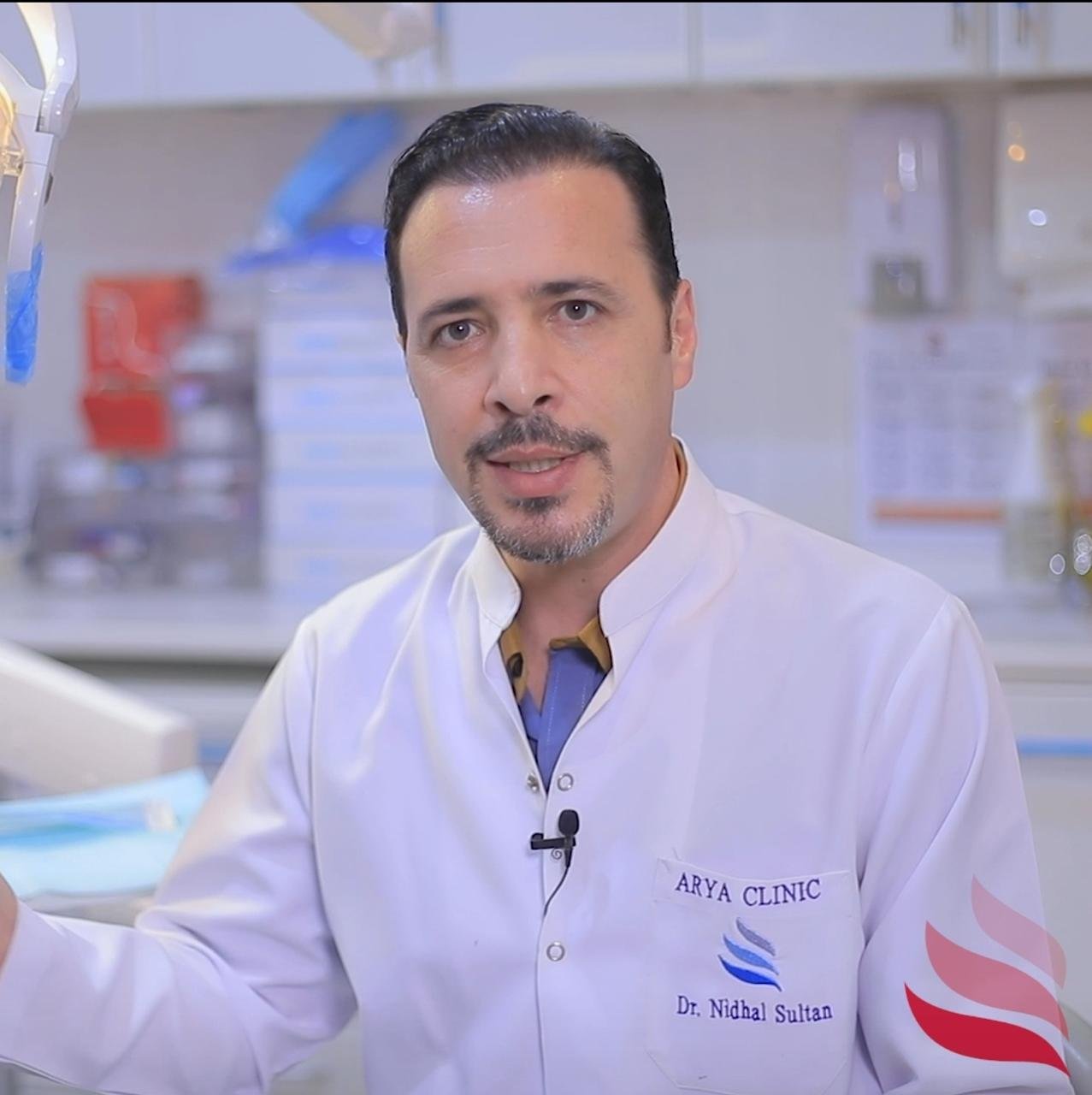
Advanced Implantology & Zygomatic Implant Surgery
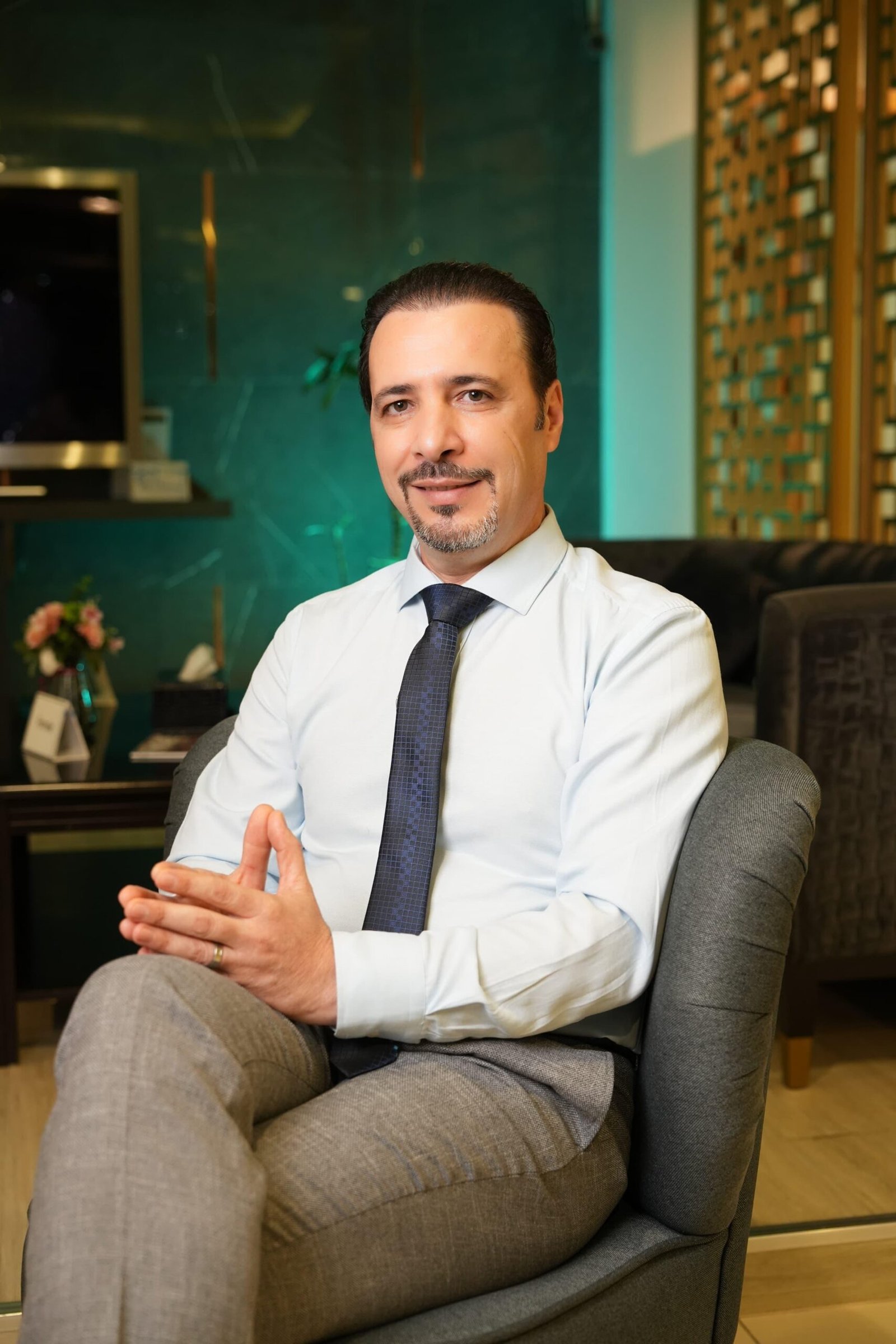
Zygomatic implants are not performed by every implantologist in Dubai. The procedure requires a precise combination of advanced surgical training, digital planning, anatomical judgment, and experience managing challenging upper-jaw bone loss.
Dr. Nidhal Sultan brings more than 25 years of implantology experience, covering the complete treatment spectrum from single implants to complex full-arch zygomatic rehabilitation.
Advanced implant surgery is defined by planning, precision, and experience before the procedure ever begins.
Each stage of treatment is supported by specialist credentials, advanced technology, and regulated clinical standards.
More than 25 years of dental implantology practice in Dubai, covering the full complexity spectrum from single-tooth implants to advanced full-arch zygomatic cases.
This high-tier recognition of implant expertise in the UAE confirms specialist-level qualification to undertake advanced procedures, including zygomatic implants in Dubai.
Every case is planned in three dimensions using cone beam CT imaging, allowing the exact implant trajectory into the zygomatic arch to be mapped before surgery begins.
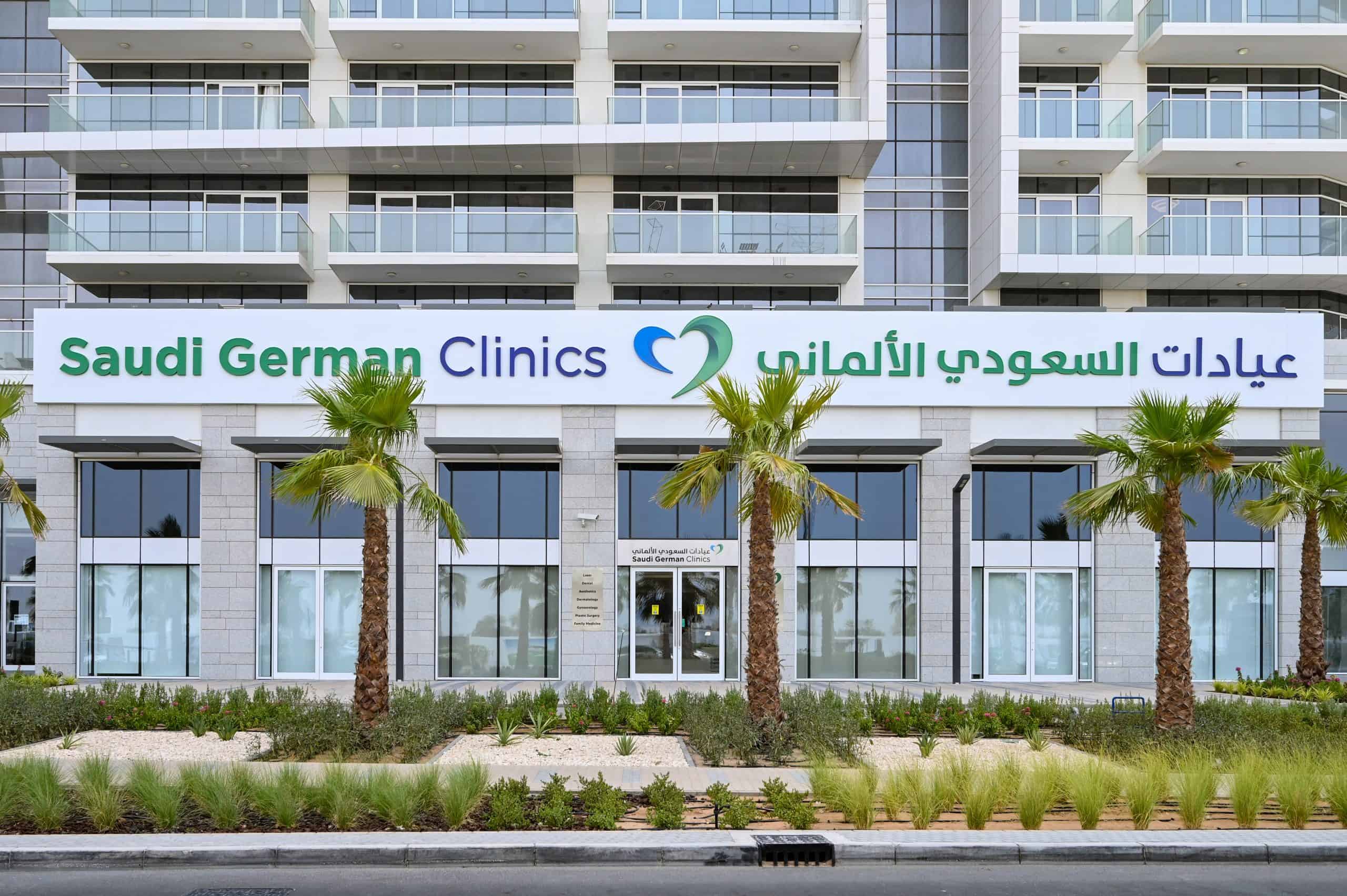
Zygomatic implant surgery is performed at Saudi German Clinic in Damac Hills 2 and HMS Mirdif Hospital in Al Mizhar, with anaesthesia support and post-operative monitoring.
Fully licensed by the Dubai Health Authority to practise implantology in Dubai, ensuring every procedure follows UAE regulatory, safety, and clinical standards.
From your first 3D assessment through surgery and final restoration, every stage is planned around precision, safety, and long-term function.
Patients exploring fixed teeth options in Dubai may be suitable for several different treatment paths. The right choice depends mainly on upper-jaw bone volume, treatment time, grafting requirements, and whether fixed teeth are possible.
Select an option to review who it suits, whether bone grafting is required, fixed-teeth availability, and expected treatment timing.
Designed for patients with severe or total upper-jaw bone loss who cannot reliably receive conventional implants without extensive reconstruction.
The most direct route to fixed teeth when severe bone loss makes conventional implants unreliable or impossible.
Swipe horizontally on mobile to review the complete clinical comparison.
| Option | Suitable For | Bone Graft? | Fixed Teeth? | Time to Final Teeth |
|---|---|---|---|---|
|
Zygomatic Implants
Advanced solution
|
Severe or total upper-jaw bone loss | No | Yes — same day possible | Same day Temporary teeth |
|
All-on-4 Implants
Four-implant bridge
|
Moderate bone loss in the upper jaw | Rarely | Yes — same day possible | Same day Temporary teeth |
|
All-on-6 Implants
Six-implant bridge
|
Good upper-jaw bone volume | Sometimes | Yes — same day possible | Same day Temporary teeth |
|
Bone Graft + Standard
Reconstruction treatment
|
Mild to moderate bone loss | Yes — extensive | Yes — after healing | 9–18 months Longer staged process |
|
Full Dentures
Removable solution
|
Any level of bone loss | No | No — removable | Immediate Removable teeth |
For patients in Dubai with severe upper-jaw bone loss who want fixed, permanent teeth without extensive bone grafting, zygomatic implants often provide the most direct clinical route.
Dr. Nidhal Sultan assesses every patient with 3D imaging and recommends the most appropriate solution, whether that is zygomatic implants, All-on-4, All-on-6, conventional implants, or a combined treatment approach.
Learn more about alternative full-arch and bone-restoration treatments.
Fixed full-arch teeth supported by four strategically positioned implants.
Explore Treatment 02 Enhanced supportSix-implant full-arch rehabilitation for patients with good bone volume.
Explore Treatment 03 Bone restorationJawbone reconstruction for patients preparing for conventional implants.
Explore Treatment 04 Complete restorationComprehensive fixed-teeth solutions for complete upper and lower arches.
Explore TreatmentThe before and after results of laser teeth whitening in Dubai speak most clearly for patients who have previously found other whitening systems insufficient for the depth of their staining. Dr. Nidhal Sultan’s gallery includes real cases where laser activation has achieved a significantly more even and complete result on resistant staining than light-based alternatives. Every case is a real patient treated personally by Dr. Nidhal Sultan in Dubai.


Every image you see represents a story of regained comfort, renewed confidence, and the joy of finally loving the mirror again.
Access trusted medical care at convenient locations throughout Dubai and Sharjah modern clinics equipped to support your health from consultation to complete recovery.
Damac Hills 2
Al Majaz 2
Medical Center-Scmmc
Book your free single tooth implant consultation in Dubai; a 3D CBCT assessment, a personalized treatment plan, and a full cost breakdown are included. No commitment required.
Zygomatic implants in Dubai are for patients with severe or total loss of upper jawbone—particularly those who have been told standard implants are not possible. Common causes include prolonged tooth loss without replacement, failed previous implants, gum disease-related bone destruction, or medical conditions that contraindicate bone grafting. Dr. Nidhal Sultan determines suitability at a free 3D CBCT consultation.
Zygomatic implant surgery in Dubai is performed under IV sedation or general anesthesia—you will not feel pain during the procedure. Post-operative discomfort is expected for the first three to five days and is managed with prescribed medication. Most patients find recovery more manageable than anticipated and return to normal activities within one to two weeks.
Long-term data from international implantology studies show zygomatic implant survival rates of 92–97% at five to ten years—comparable to conventional implants. With proper oral hygiene and regular check-ups at the Dubai clinic, zygomatic implants are designed to be a lifelong tooth replacement solution.
In appropriate cases, yes. Where sufficient primary implant stability is achieved during surgery, a fixed temporary full-arch prosthesis can be attached on the same day. This means patients leave the Dubai clinic with functional fixed teeth on the day of zygomatic implant surgery. The final permanent restoration is placed after full osseointegration, typically three to six months later.
All-on-4 dental implants in Dubai require some residual jawbone for the four fixtures to anchor into. Zygomatic implants bypass the jaw entirely, anchoring into the cheekbone, making them the solution when no usable upper jawbone remains. Some patients with extreme bone loss have a combination of zygomatic implants at the back and standard implants at the front where some bone remains.
Zygomatic implant cost in Dubai is higher than standard implant treatment due to the surgical complexity, specialist expertise, and hospital facility requirements involved. The exact cost depends on the number of implants required, anesthesia type, and final prosthesis. Dr. Nidhal Sultan provides a full written cost breakdown at the free 3D consultation no hidden fees, no commitment required at that stage.
Dr. Nidhal Sultan offers free laser teeth whitening consultations in Dubai shade assessment, personalised laser protocol and full written cost breakdown. ALD USA certified, DHA & DOH licensed. For patients with resistant staining where other whitening systems have underdelivered, laser whitening in Dubai offers the most precise, targeted result available. Available at three clinics in Dubai and Sharjah. No commitment required.
Trusted Implantologist & Cosmetic Dentist in Dubai. Dr. Nidhal Sultan offers advanced dental implants, cosmetic smile design, and family dentistry at Saudi German Clinics & HMS Mirdif
Powered By ICONCLY Medical
Copyright © 2026. All rights reserved