3D Guided Implant Surgery Dubai
The procedure is planned before treatment begins.
3D guided implant surgery Dubai uses CBCT imaging and a custom surgical guide to plan the position, angle and depth of implants before placement. Dr. Nidhal Sultan offers digitally guided approaches for suitable single-tooth, multiple-implant and full-arch cases.
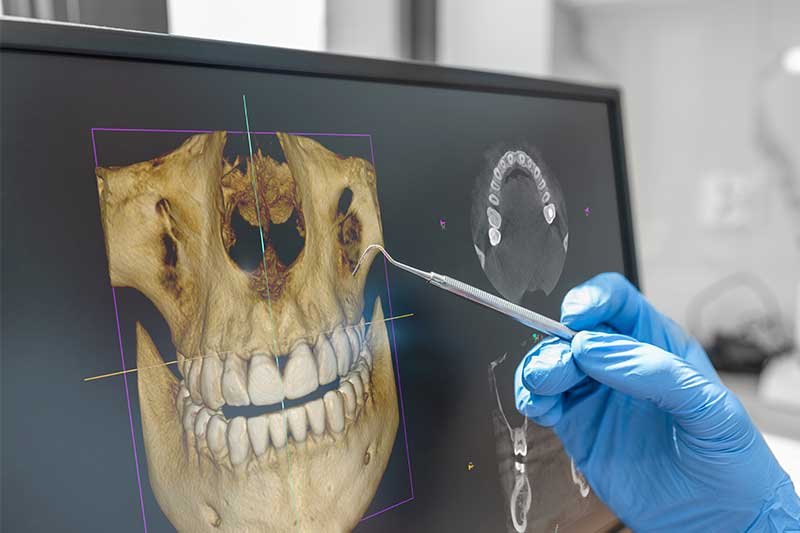 01 / CBCT PLANNING
What is 3D guided implant surgery?
A coordinated digital process brings imaging, restorative planning and guided placement together.
Scan the anatomy
A CBCT scan creates a three-dimensional representation of the jawbone, nerve pathways and sinus anatomy.
Plan every angle
Dr. Nidhal reviews the intended implant position, angulation and depth digitally in advance.
Fabricate the guide
A patient-specific surgical guide helps reproduce the planned trajectory in the mouth.
Consider the restoration
Crown or prosthesis design is coordinated with implant positioning from the planning stage.
Apply across cases
Guidance may be considered for single-tooth, multiple-implant, All-on-4 and All-on-6 treatments.
Discuss suitability
Benefits such as shorter chair time or reduced tissue disruption depend on the clinical case.
Not every case follows the same path.
Select a panel to explore the different candidacy considerations.
Suitable starting point
Missing one or more teeth, including people considering All-on-4 or All-on-6, with anatomy suitable for a guided approach.

A closer clinical look
Severe bone loss, grafting requirements or complex anatomy can change whether guidance or direct visualization is recommended.
Know the anatomy
Imaging evaluates available bone, relevant nerve pathways, sinus proximity and guide planning requirements.
Likely suitable if...
- You are missing teeth and want carefully planned placement.
- You are considering All-on-4 or All-on-6 full arch treatment.
- You prefer to explore flapless options where suitable.
- CBCT confirms adequate bone volume, or grafting is planned first.
- You want a potentially more efficient surgical approach.
When the plan may change
Severe bone loss may require bone grafting or a sinus lift before placement. Complex anatomy may call for direct visualization or a combined approach.
Learn about bone grafting ↗Guided vs. freehand.
Compare the approach.
Digital guidance changes how placement is planned and transferred to surgery. It does not replace clinical judgement or guarantee an outcome.
Five decisions, layer by layer.
Scroll through the preparation cards to see how the digital plan comes together before surgery.
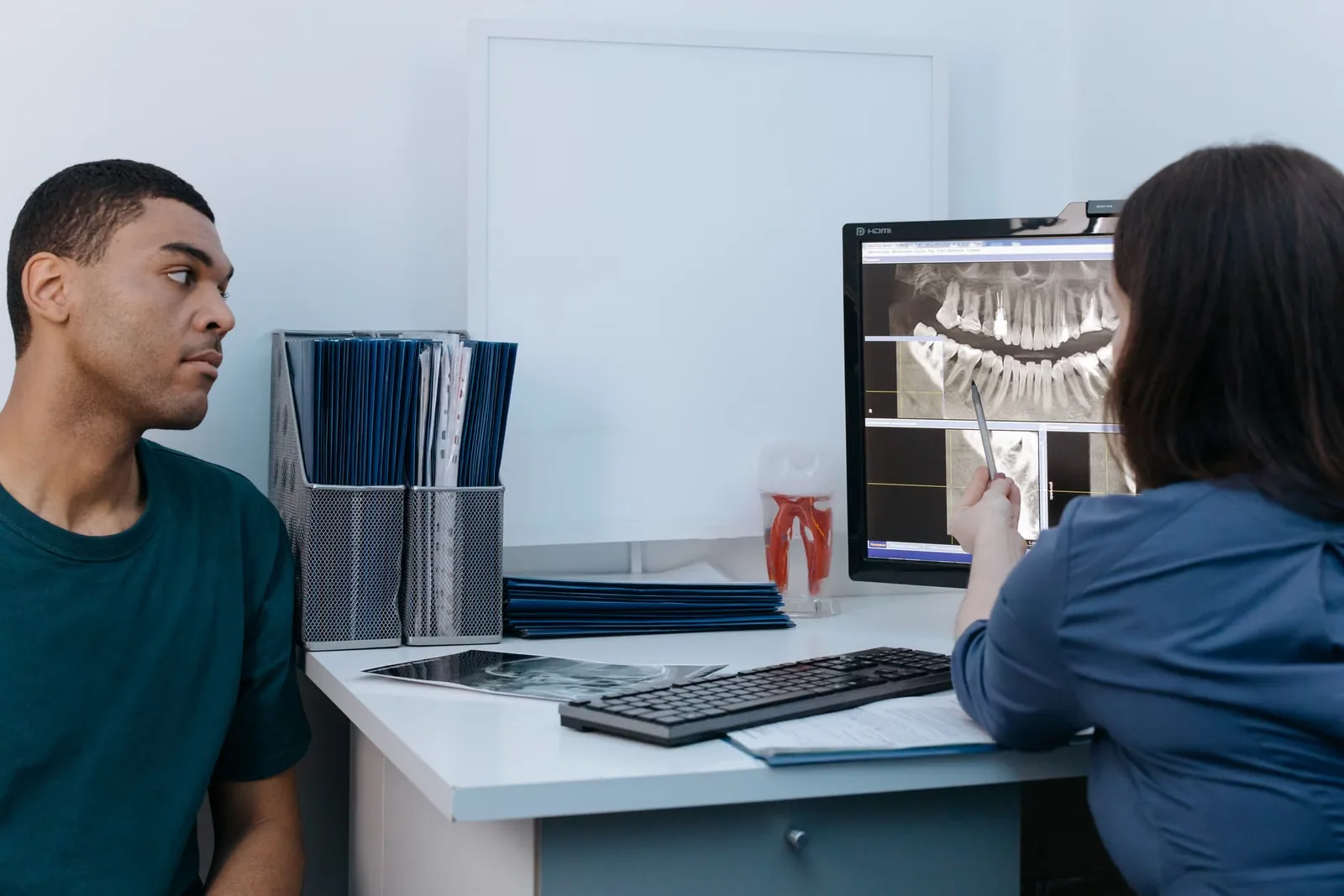
3D CBCT Scan
A cone beam scan maps the jaw anatomy, bone volume and position of nerves and sinuses.
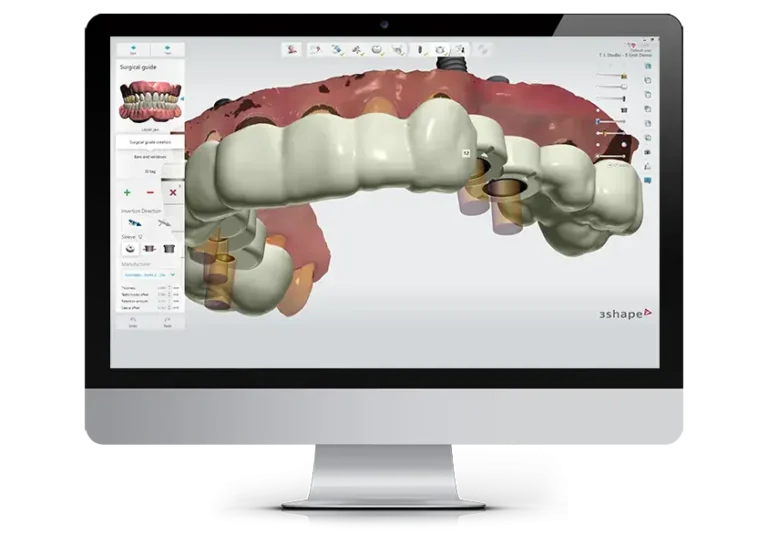
Treatment Planning
Implant position, angle, depth and restorative requirements are coordinated using planning software.
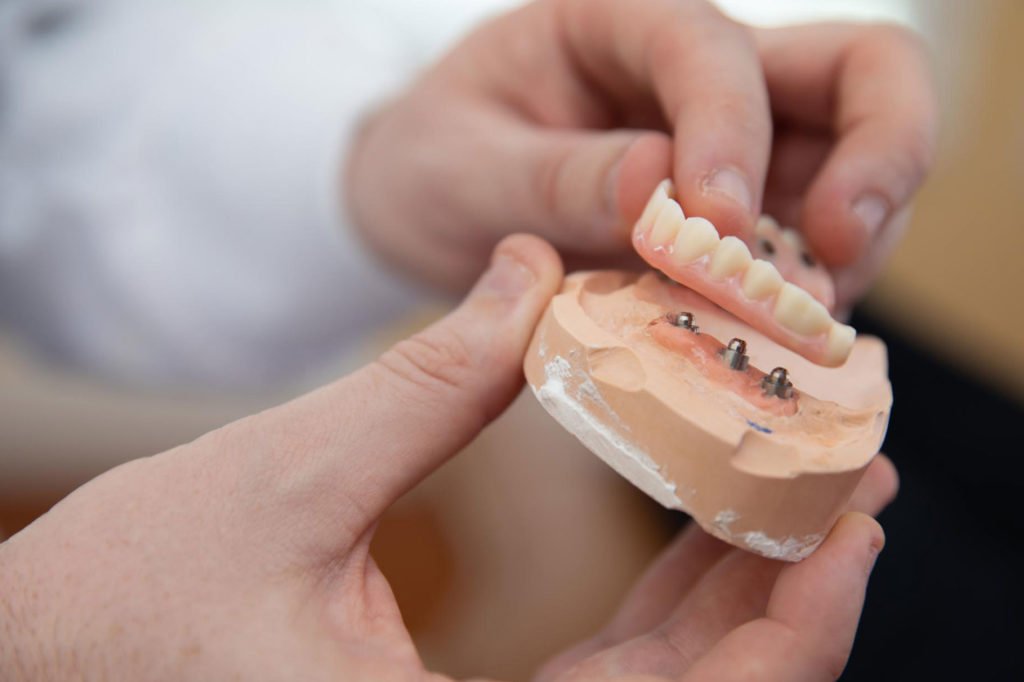
Guide Fabrication
A guide is manufactured from the digital plan, often using 3D printing, and verified for fit.
Medical & Restorative Review
Medications, overall health and possible bone grafting are reviewed. Your final crown or prosthesis design is considered.
Arranging Your Day
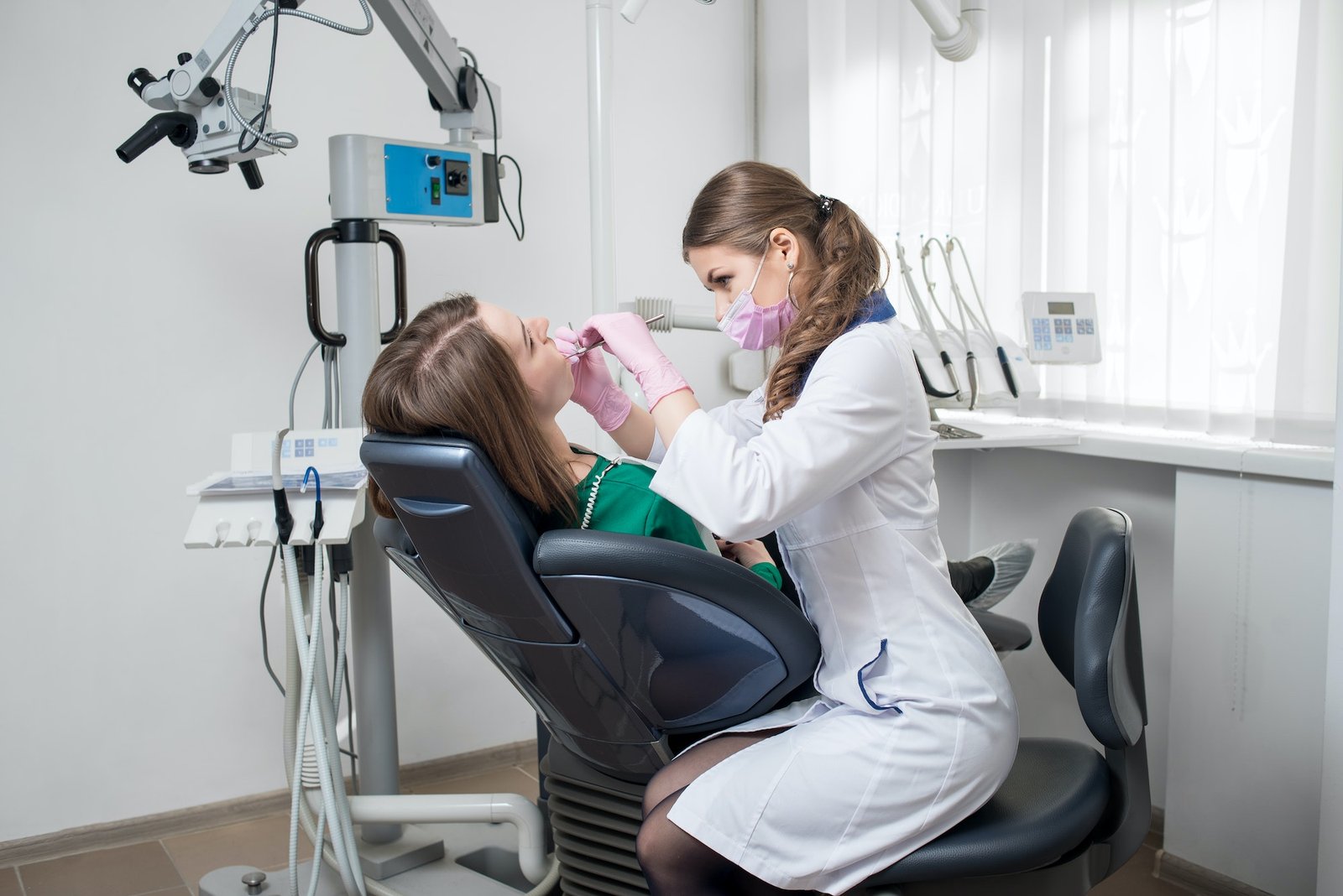
Local anaesthesia is common. Ask whether sedation is available and whether transport arrangements are appropriate.
Preparation quality and guide fit are essential. Ask your clinic whether surgical guides are fabricated in-house or by an external laboratory.
Six stages.
One planned journey.
Follow the clinical sequence as you scroll, or choose a stage directly.
THE GUIDED JOURNEY3D CBCT Imaging
A cone beam scan maps bone volume, density and nearby anatomical structures.
Virtual Implant Planning
Implant positions, angles and depths are reviewed on a three-dimensional model.
Surgical Guide Fabrication
A custom guide is manufactured and its fit checked against the proposed plan.
Local Anaesthesia
The treatment area is numbed. Pressure may still be felt during treatment.
Guided Implant Placement
The guide assists drilling and implant placement along the planned trajectory, sometimes without a flap.
Restoration & Review
A temporary or final restoration is considered according to stability, healing and the treatment plan.
Explore the benefits behind the plan.
Hover over an image panel, or tap on mobile, to explore what each feature can mean in suitable cases.
Digitally planned guides are intended to reduce positional deviation.
Selected cases may avoid a large surgical flap.
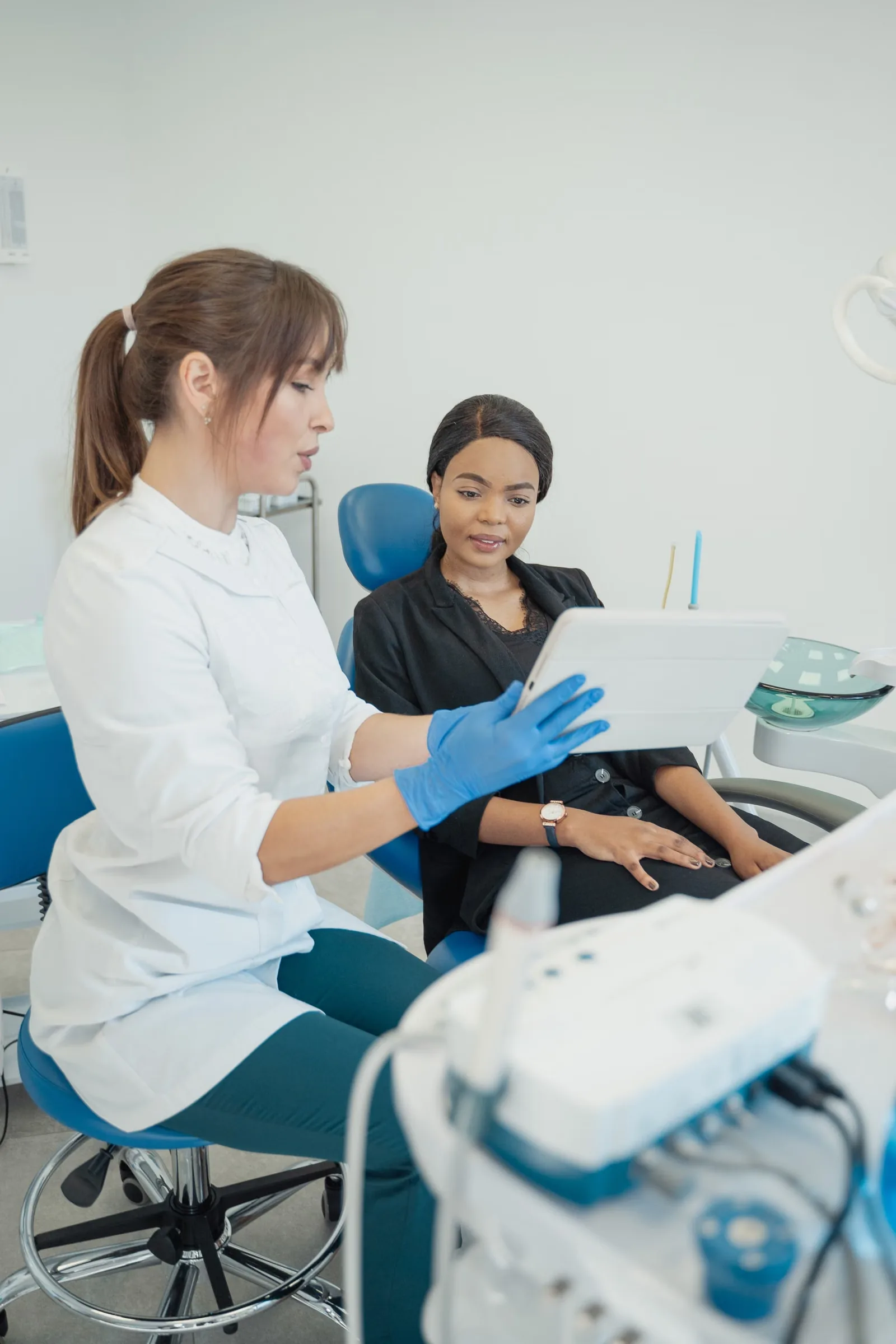
Less tissue manipulation can improve comfort in some cases.
Advanced planning may limit adjustments during placement.
Implant positions can be chosen with the final crown in mind.
CBCT reveals nerve and sinus positions that inform safe planning.
Surgery time, precision, recovery and patient comfort depend on anatomy, clinical conditions and the selected technique.
Healing, over time.
These time frames are illustrative; the actual recovery plan depends on the procedure and your oral health.
Initial recovery
Mild swelling and tenderness can occur. Follow individualized aftercare advice.
Return to routine
Many patients gradually resume soft foods and normal daily activities.
Tissue healing
Initial gum healing progresses while the area is monitored.
Bone integration
Osseointegration may be reviewed before definitive restoration.
When flapless treatment is clinically appropriate, discomfort may be reduced. Results vary; written aftercare instructions should be followed for each case.
What shapes the cost?
Every digitally guided treatment plan has a different scope. Select cost factors to build a checklist for your consultation.

Request a written quote including the CBCT scan, guide, implant components and restoration where applicable.
Patient perspectives, in their words.
Quotes supplied in the content brief. Independently confirm permissions and attribution before publishing.
“I was nervous about implant surgery until Dr. Nidhal showed me the 3D plan beforehand. The guided placement meant almost no swelling and I was back to normal within a few days.
“Having the implant position planned on a screen before surgery gave me a lot of confidence. The 3D guided implant surgery itself felt much quicker than I expected.
“The flapless approach meant I avoided stitches entirely for my case. Recovery was faster than my previous implant done elsewhere with the traditional method.
Personal testimonials describe individual experiences; they are not guarantees of treatment results.
Technology helps.
Clinical judgement leads.
Digital planning supports decision making. It does not eliminate surgical risk or guarantee success.
- Digital guidance cannot guarantee an outcome.
- Clinical anatomy and experience influence results.
- Review the CBCT plan before your procedure.
01Guide fit discrepancy+
A shifting or poorly fitting guide can affect accuracy. Fit is verified before use.
02Infection+
Infection is a possibility with any surgical implant site and requires appropriate postoperative care.
03Implant failure to integrate+
Risk varies with smoking, diabetes control, bone volume and other patient factors.
04Bone grafting or plan revision+
Bone augmentation or a change in sequence may be necessary in complex cases.

Experience makes the plan personal.
The supplied professional profile describes Dr. Nidhal Sultan as DHA and DOH licensed, with more than 25 years of experience in dentistry and implantology.
Digital planning expertise
CBCT imaging and guided surgery software are used to map anatomy and intended implant positioning.
Professional credentials
His supplied profile lists a 2023 Privilege in Dental Implantology and ALD USA Laser Dentistry Certification in 2019.
Coordinated treatment
Assessment, implant placement and restoration can be planned together. Confirm service availability at your chosen location.
Three locations.
One coordinated consultation.
Confirm the availability of your specific treatment at your preferred clinic.
The details, at a glance.
PRIMARY PURPOSE
Digitally planned, precision-guided implant placement
PLANNING METHOD
3D CBCT imaging and patient-specific surgical guide
TIME ESTIMATE
About 30–45 minutes for a straightforward single implant in the source brief; varies by case
ANAESTHESIA
Local anaesthesia; ask the clinic about sedation
RECOVERY
Depends on case and whether flapless placement is appropriate
PRACTICE AREAS
Saudi German Clinic, HMS Mirdif Hospital and SCMMC Sharjah
Clarity before your consultation.
Answers about the technique, candidacy, timing and cost.
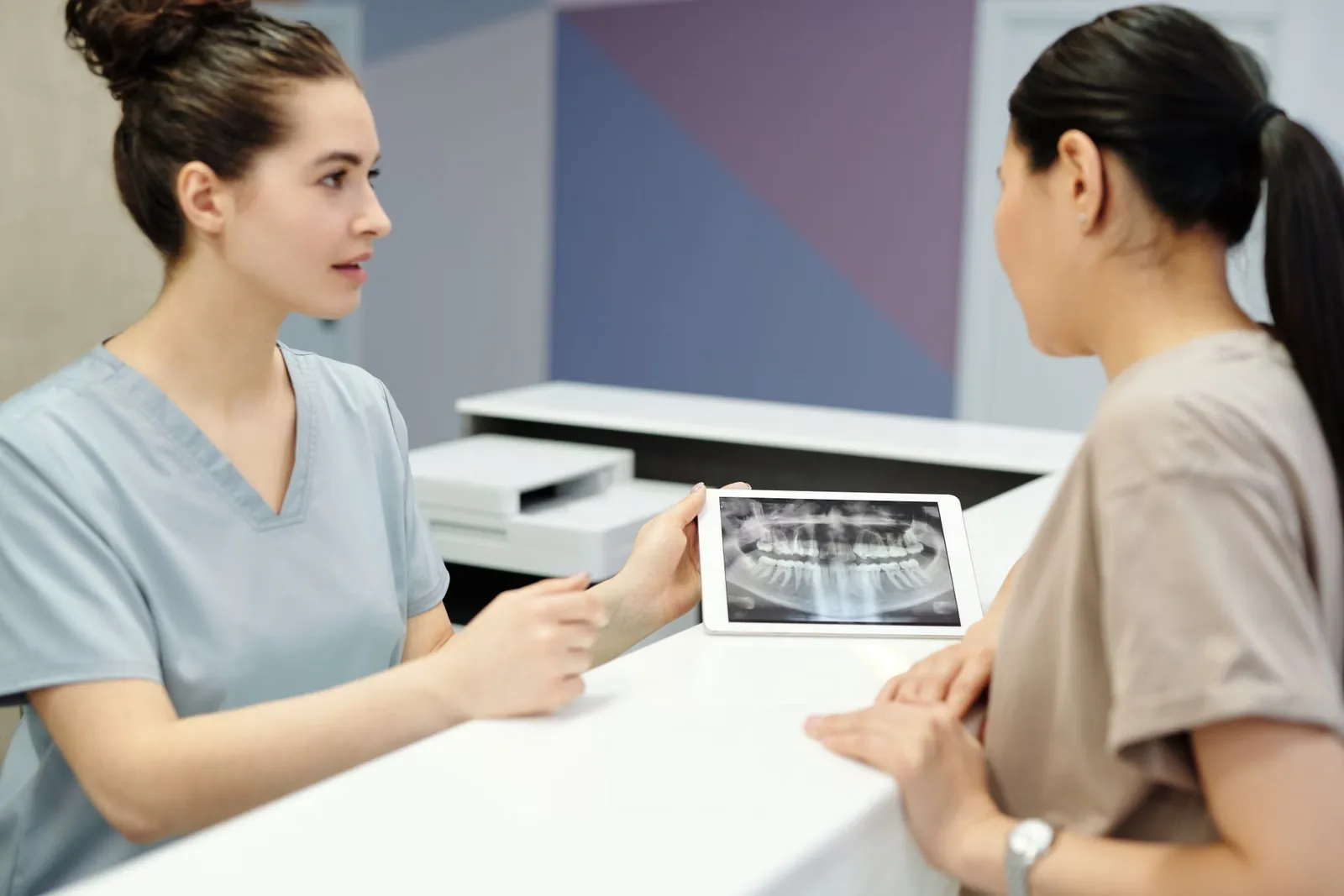
01What is 3D guided implant surgery?+
The implant procedure is planned digitally with CBCT imaging, and a patient-specific surgical guide helps transfer the intended trajectory during placement.
02How is 3D guided implant surgery different from traditional implant placement?+
Guided treatment uses imaging and a guide to plan position, angle and depth in advance. Freehand placement relies more heavily on surgical judgement during the procedure. Results vary.
03Is 3D guided implant surgery painful?+
It is generally performed under local anaesthesia. Patients may feel pressure and can experience postoperative discomfort; severity varies.
04Who is a good candidate for guided implant surgery?+
Patients considering single, multiple or full-arch implants can be assessed. Suitability depends on a clinical examination, imaging, anatomy and medical history.
05Does it cost more than traditional implants?+
Digital planning and guide fabrication may carry fees. Ask for a written itemized estimate and review the alternatives for your case.
06How long does 3D guided implant surgery take?+
The content brief cites about 30 to 45 minutes for a straightforward single implant. More complex and full-arch cases take longer.
Your journey may connect with more.
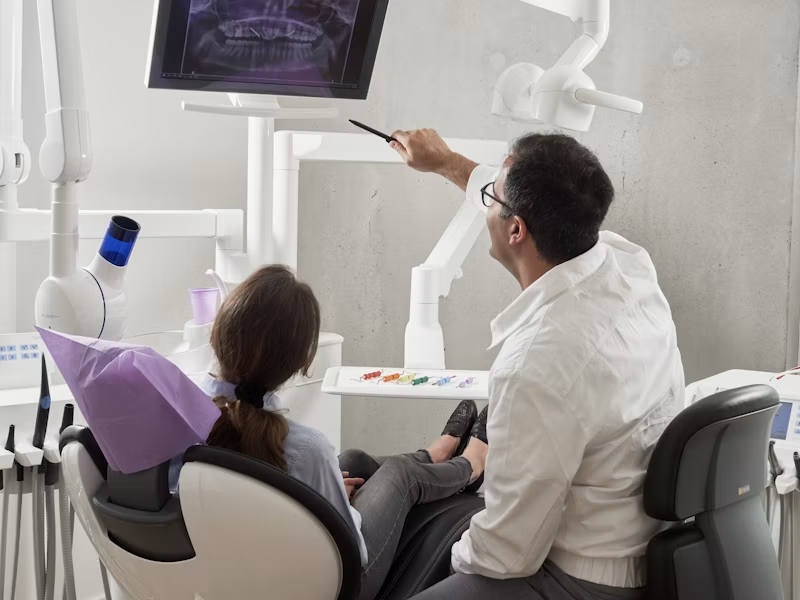
Your next step starts with a clear plan.
Discuss 3D guided implant surgery in Dubai with Dr. Nidhal Sultan. The clinic can review your suitability, outline the proposed approach and provide a written treatment estimate.