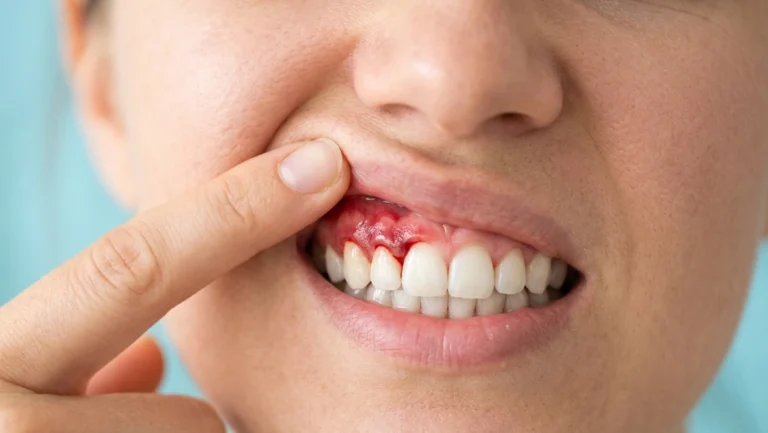
Mouthwash Buyer Guide: Best Types, Ingredients & Clinical Use
Mouthwash: Clinical Buying Guide, Ingredients, and Daily Best Practices Authored by Dr. Nidhal Sultan, dental healthcare professional specializing in cosmetic dentistry and...
Mouthwash: Clinical Buying Guide, Ingredients, and Daily Best Practices
Authored by Dr. Nidhal Sultan, dental healthcare professional specializing in cosmetic dentistry and digital implantology. For related guidance, see Dr. Nidhal Sultan – Dubai Dentist.
Selecting the right mouthwash can transform your daily oral hygiene routine, protect delicate restorations, and eliminate persistent bad breath. With hundreds of formulations on supermarket shelves, choosing between cosmetic rinses and clinical therapeutic solutions often feels overwhelming. This clinician-reviewed guide breaks down active ingredients, side effects, and application timing so you can select the safest, most effective rinse for your smile.
Key Takeaways
- Therapeutic mouthwash contains clinically active agents that actively reduce plaque, fight gingivitis, or remineralize enamel, unlike purely cosmetic rinses.
- Alcohol-free formulations prevent tissue dehydration and are generally recommended for patients with dry mouth, oral sensitivity, or cosmetic dental work.
- Timing matters: swishing immediately after brushing can wash away the concentrated fluoride left by your toothpaste unless coordinated properly.
- Patients with porcelain veneers or dental implants need non-abrasive, neutral-pH rinses to preserve resin cements and titanium components.
What Is Mouthwash and How Does It Work in Modern Oral Hygiene?
Mouthwash is a liquid oral solution designed to reduce microbial load, deliver protective minerals, and freshen breath. While mechanical cleaning remains the foundation of oral care, liquid rinses access anatomical areas that bristles often miss.
A quality rinse penetrates interdental spaces, the gingival sulcus, and the posterior dorsum of the tongue. These areas harbor anaerobic bacteria responsible for periodontal inflammation and volatile sulfur compounds.
How does mouthwash interact with oral biofilm and bacteria?
Dental plaque is a structured biofilm where colonies of bacteria adhere to tooth surfaces. Certain active ingredients disrupt these bacterial cell membranes, reducing their ability to adhere and replicate as documented in microbiome research published by the NIH.
Regular antimicrobial rinses help destabilize this matrix between cleanings. However, liquid solutions cannot dislodge calcified tartar; they simply slow down new plaque formation.
Why does my mouthwash burn so badly when swishing?
An intense burning sensation usually stems from high concentrations of denatured alcohol or strong essential oils like menthol and thymol. Alcohol acts as an astringent and solvent, but high percentages (often 15% to 27%) can irritate sensitive mucous membranes.
If you experience burning, peeling tissue, or heightened sensitivity, switching to an alcohol-free rinse provides therapeutic benefits without tissue irritation.
Cosmetic vs. Therapeutic Mouthwash: What Are the Real Differences?
Understanding the distinction between cosmetic and therapeutic rinses is the first step in making an informed purchase. Cosmetic products offer short-term sensory freshness, whereas therapeutic formulas deliver measurable chemical action.
Cosmetic mouthwash for temporary fresh breath
Cosmetic formulations are designed primarily to mask halitosis and leave a pleasant minty taste in the mouth. These rinses contain flavoring agents, colorants, and mild astringents.
- Provides temporary freshness lasting 20 to 60 minutes.
- Does not suppress cariogenic (cavity-causing) or periodontopathogenic bacteria.
- Does not contain therapeutic fluoride concentrations for enamel remineralization.
Therapeutic mouthwash for clinical plaque and gingivitis control
A therapeutic mouthwash contains regulated active ingredients evaluated for clinical efficacy. These rinses are formulated to target specific dental pathologies.
- Helps prevent or arrest early dental caries through mineral delivery.
- Reduces gingival inflammation, bleeding, and subgingival bacterial counts.
- Formulated for specific conditions like xerostomia (dry mouth) or post-operative recovery.
Active Ingredients Breakdown: Comparing Commercial Formulations
Selecting the right formulation requires reading the active drug facts label. Different active agents serve distinct biological functions, as detailed in this breakdown of mouthwash types by Longmont Dental Loft.
| Active Ingredient | Primary Mechanism | Best Suited For | Clinical Considerations |
| Sodium Fluoride (0.05% – 0.2%) | Fluorapatite crystal formation; enamel remineralization | High cavity risk, orthodontic patients, exposed root surfaces | Do not swallow; avoid rinsing with water immediately after use. |
| Cetylpyridinium Chloride (CPC) | Cationic broad-spectrum antimicrobial; disrupts cell walls | Daily plaque control, fresh breath, mild gingivitis | Gentle on soft tissues; rarely causes mild superficial staining. |
| Essential Oils (Thymol, Eucalyptol, Menthol) | Bacterial enzyme inhibition and cell wall disruption | Biofilm suppression and long-lasting gingival health | Often combined with alcohol carrier bases; can produce a strong taste. |
| Chlorhexidine Gluconate (0.12%) | High substantivity antiseptic; binds to oral tissues | Post-surgical healing, severe periodontitis treatment | Prescription only; causes brown extrinsic staining with prolonged use. |
| Hydrogen Peroxide (1.5% – 3%) | Oxygenation debridement; oxidative bacterial breakdown | Canker sores, minor tissue irritation, surface stain reduction | Overuse may cause transient tissue sensitivity or tongue papillae irritation. |
Fluoride mouthwash for enamel remineralization and cavity defense
Sodium fluoride and sodium monofluorophosphate strengthen weakened enamel by replacing lost hydroxyl ions with fluorapatite. This makes the tooth structure substantially more resistant to acid demineralization from sugary foods and plaque bacteria.
Patients undergoing orthodontic aligner therapy or those with exposed root dentin benefit significantly from a daily 0.05% neutral sodium fluoride rinse.
Cetylpyridinium chloride (CPC) and essential oils for daily antibacterial care
For daily maintenance without prescription restrictions, cetylpyridinium chloride (CPC) and essential oil combinations represent the gold standard. CPC targets bacterial membranes, lowering the total count of microorganisms that produce volatile sulfur compounds.
Essential oil rinses penetrate deeper layers of established biofilm, making them a strong asset for managing identifying and treating the silent signs of gum disease alongside daily flossing.
Chlorhexidine mouthwash: When is a prescription rinse required?
Chlorhexidine gluconate (0.12%) is a potent antiseptic with high substantivity, meaning it remains active on oral tissues for hours after swishing. Dentists prescribe chlorhexidine for short-term recovery following periodontal surgery or extractions.
However, chlorhexidine is not designed for indefinite daily maintenance. Extended use beyond two weeks often results in brown extrinsic tooth staining, altered taste perception, and increased supragingival calculus formation.
Alcohol-Based vs. Alcohol-Free Mouthwash: Which Should You Buy?
The choice between alcohol-containing and alcohol-free rinses is one of the most common commercial decisions consumers face. Understanding their clinical effects ensures your choice supports overall oral comfort.
Is alcohol in mouthwash harmful to sensitive gums and dry mouth?
Alcohol serves as a solvent and preservative in traditional oral rinses. However, alcohol is a known desiccant that extracts moisture from the oral mucosa, leading to salivary hypofunction.
Saliva is the mouth’s natural defense mechanism, containing immunoglobulins and calcium to protect teeth. Reduced salivary flow increases your risk of caries, mucosal ulcerations, and chronic halitosis.
Mouthwash without alcohol: Why modern clinicians prefer gentle formulas
Modern cosmetic and restorative dentistry strongly favors alcohol-free mouthwash formulations. Contemporary alcohol-free rinses demonstrate antimicrobial efficacy equal to alcohol-based formulas without dehydrating the mucosa, as discussed in Seaport Family Dental’s essential mouthwash guide.
Alcohol-free rinses are especially important for individuals with sensitive gingiva, dry mouth syndromes, composite restorations, or recovering soft tissues.
How to Choose the Best Mouthwash for Your Specific Dental Profile
Every mouth presents unique anatomical, biological, and cosmetic considerations. Matching the chemical formulation to your dental profile ensures optimal protection.
What is the best mouthwash for dental implants and porcelain veneers?
Cosmetic ceramics and titanium implants require specialized maintenance routines. Harsh, acidic rinses or alcohol-heavy solutions can degrade composite resin margins or cause microscopic etching over time.
When caring for your delicate porcelain veneers in Dubai, select an alcohol-free, neutral-pH fluoride rinse. For supporting the long term success of dental implants Dubai, non-staining antimicrobial rinses like CPC keep peri-implant tissues healthy without scratching restorations.
Best mouthwash for bad breath (halitosis) and sulfur compounds
True halitosis originates from volatile sulfur compounds (VSCs) produced by anaerobic bacteria residing on the tongue and between teeth. A cosmetic mint rinse merely covers these odors briefly.
To neutralize the root cause, choose a mouthwash containing zinc compounds, chlorine dioxide, or CPC. Zinc ions bind to sulfur precursors, converting them into non-volatile, odorless compounds.
Choosing rinses for gum disease, bleeding gums, and gingivitis
If you notice bleeding during brushing, your gums are reacting to subgingival bacterial toxins. A therapeutic antibacterial mouthwash containing essential oils or stannous fluoride can help lower gingival inflammation indices.
Always pair therapeutic rinses with professional periodontal cleanings, as liquid cannot dissolve hardened subgingival calculus.
Orthodontic care and cosmetic teeth whitening support
Fixed brackets and clear aligner attachments create stagnation areas where plaque accumulates rapidly. High-fluoride, alcohol-free rinses prevent white spot lesions (early enamel demineralization) around attachments.
For patients maintaining brightness after laser teeth whitening Dubai, avoiding heavily colored artificial dyes (like intense blue or green rinses) prevents surface discoloration on newly treated enamel.
2026 Clinical Updates: Oral Microbiome Preservation and Systemic Pathways
As confirmed in modern dental literature, preventive dentistry focuses heavily on oral microbiome balance. Older approaches aimed to sterilize the oral cavity with aggressive broad-spectrum antiseptics, but current science highlights the necessity of preserving commensal flora.
Beneficial oral bacteria convert dietary nitrates into nitrites, which the body transforms into nitric oxide—a vital molecule that regulates vascular tone and healthy blood pressure. Indiscriminate, excessive use of powerful antiseptic rinses can suppress these beneficial pathways.
Clinicians now recommend targeted therapeutic rinses for specific clinical indications rather than aggressive, chronic chemical overuse. Selecting balanced, pH-neutral, alcohol-free products supports both periodontal health and biological balance, an approach detailed by .
Clinical Step-by-Step Routine: How and When to Use Mouthwash
Using mouthwash correctly is just as important as selecting the right bottle. Many patients inadvertently cancel out the benefits of their dental products through incorrect sequencing.
Should you rinse with mouthwash before or after brushing?
Standard toothpastes contain concentrated sodium fluoride (typically 1,450 ppm), while over-the-counter daily rinses contain lower concentrations (around 225 to 450 ppm). Swishing with a standard rinse immediately after spitting out toothpaste washes away that concentrated barrier.
To maximize benefits, consider these optimal timing strategies:
- Midday Refresh: Use mouthwash after lunch or mid-afternoon to dislodge food particles and refresh breath when you cannot brush.
- Rinse Before Brushing: Swish with an antibacterial rinse prior to brushing to loosen biofilm matrices.
- Separated Timing: If using after brushing, wait at least 20 to 30 minutes to allow the toothpaste’s fluoride to fully bind to enamel.
The 30-minute rule: Why you should never rinse with water after mouthwash
A frequent mistake is washing the mouth with tap water immediately after spitting out a therapeutic rinse. Doing so dilutes the active chemical agents before they can bond to your enamel or soft tissues, as explained in Markham Smile Centre’s guide to mouthwash ingredients and common mistakes.
Always spit out the excess liquid thoroughly, but do not eat, drink, or rinse with water for at least 30 minutes afterward.
Common Mistakes to Avoid When Using Mouthwash
Even premium oral products fail to deliver results if used incorrectly. Avoid these common application errors:
- Treating Rinse as a Substitute: Liquid swishing cannot mechanically disrupt the sticky bacterial plaque layer. Mouthwash complements flossing and brushing; it never replaces them.
- Inactivating Actives with Toothpaste Surfactants: Anionic surfactants like Sodium Lauryl Sulfate (SLS) in toothpaste can chemically neutralize cationic antimicrobials like CPC and chlorhexidine if used simultaneously.
- Ignoring Contact Duration: Quick 5-second rinses do not allow sufficient contact time for active agents to work. Swish vigorously for a full 30 to 60 seconds.
- Administering to Young Children: Children under six years old have not fully developed their swallowing reflexes and should avoid daily mouthwashes to prevent fluorosis or accidental ingestion.
Frequently Asked Questions About mouthwash
Is it good to use mouthwash every day?
Yes, daily use of an alcohol-free, therapeutic mouthwash is safe and beneficial when integrated into a complete hygiene regimen. It controls plaque bacteria and remineralizes enamel. However, avoid using prescription-strength antiseptic rinses like chlorhexidine daily unless specifically instructed by your dental specialist.
Should you rinse with water after using mouthwash?
No, you should not rinse with water immediately after using mouthwash. Washing your mouth with water dilutes and removes the active fluoride, antimicrobial, or soothing agents from your teeth and gums. Allow at least 30 minutes before drinking water or eating meals.
Does mouthwash replace brushing and flossing?
No, mouthwash does not replace mechanical brushing and flossing. While a therapeutic rinse kills free-floating bacteria, it cannot physically dislodge the sticky bacterial biofilm or food debris packed between teeth. Optimal oral health requires mechanical cleaning combined with chemical rinsing.
Can mouthwash stain my teeth or composite fillings?
Certain therapeutic rinses, particularly 0.12% chlorhexidine gluconate, can cause superficial brown staining on enamel and composite resin margins when used for extended periods. Most daily over-the-counter rinses do not cause discoloration unless they contain intense synthetic artificial dyes.
Why does my mouth feel drier after using certain rinses?
If your mouth feels parched or tight after rinsing, your product likely contains a high concentration of alcohol. Alcohol acts as a drying agent on oral mucous membranes. Switching to a dedicated alcohol-free, moisturizing formulation with xylitol will restore comfort and protect salivary flow.
What type of mouthwash is safest for dental implants?
The safest mouthwash for dental implants is an alcohol-free, neutral-pH antibacterial formula containing cetylpyridinium chloride (CPC) or low-concentration hydrogen peroxide. Avoid highly acidic rinses or abrasive formulations that could alter restoration surfaces or irritate peri-implant mucosal margins.
Resources and Further Reading
- National Institutes of Health (PMC): Systematic review of oral antimicrobial rinses, biofilm disruption mechanisms, and chlorhexidine protocols.
- Markham Smile Centre: Clinical evaluation of active mouthwash ingredients, anti-cavity benefits, and common usage mistakes.
- Longmont Dental Loft: Comparative analysis of cosmetic, therapeutic, and prescription oral rinse classifications.
- Seaport Family Dental: Essential clinical guidelines on mouthwash benefits, alcohol-free advantages, and usage rules.
- Dentzz Dental: Clinical overview of therapeutic this treatment decision mechanisms, oral limits, and preventive protocols.
Conclusion
Choosing the right mouthwash requires aligning active therapeutic ingredients with your individual oral profile. Whether your priority is cavity prevention, gum inflammation reduction, or protecting cosmetic veneers, selecting an alcohol-free, pH-balanced formula provides meaningful benefits without compromising your oral tissues. Remember that liquid rinses work best as a powerful supplement to daily brushing and flossing.
Ready to Take the Next Step?
Whether you are looking to preserve a full smile makeover, maintain dental implants with the right daily mouthwash, or design a customized preventive hygiene plan, expert clinical guidance ensures lasting aesthetic results. You can explore your treatment options with a smart smile assessment online or contact Dr. Nidhal Sultan and schedule your consultation at our clinics in Dubai today. Book a specialist consultation to confirm your diagnosis, treatment options, safety questions, and follow-up plan.