For many individuals, the mere thought of sitting in a dental chair can trigger a wave of unease. If you find your heart racing, your palms sweating, or if you consistently postpone your routine checkups out of fear, you are far from alone. Dental anxiety is a widespread challenge that prevents millions of people worldwide—and right here in Dubai—from receiving the essential oral healthcare they need.
Ignoring dental issues due to fear often creates a challenging cycle: delaying preventive care leads to more complex oral health problems, which ultimately require more intensive treatments. However, managing this distress is completely achievable. Modern dentistry has evolved to prioritize patient comfort, turning what used to be a stressful ordeal into a supportive, gentle experience.
This comprehensive guide explores the root causes of dental apprehension, breaks down its physical and emotional symptoms, and provides practical, actionable strategies to help you regain control of your oral health. If you are seeking a supportive partner to help you overcome these fears, discovering how the specialized approach at Dr. Nidhal Sultan’s website can transform your dental experience is an excellent first step toward stress-free care.
What is Dental Anxiety?
Dental anxiety refers to the psychological distress, fear, or apprehension associated with visiting a dentist for evaluation, preventive care, or treatment. It exists on a broad spectrum, ranging from mild, manageable nervousness before an appointment to debilitating dread.
Unlike standard stress, which might dissipate once a procedure begins, this specific form of anxiety can manifest days or even weeks before a scheduled visit. It often stems from a sense of vulnerability, a fear of the unknown, or worries about potential discomfort. Individuals experiencing this condition frequently anticipate negative outcomes, magnifying minor sensations into signs of severe danger.
Understanding that this response is a recognized psychological pattern is crucial. It is not a personal failure or a lack of willpower; rather, it is a deeply ingrained stress response that requires empathy, open communication, and specialized management techniques from your dental care team.
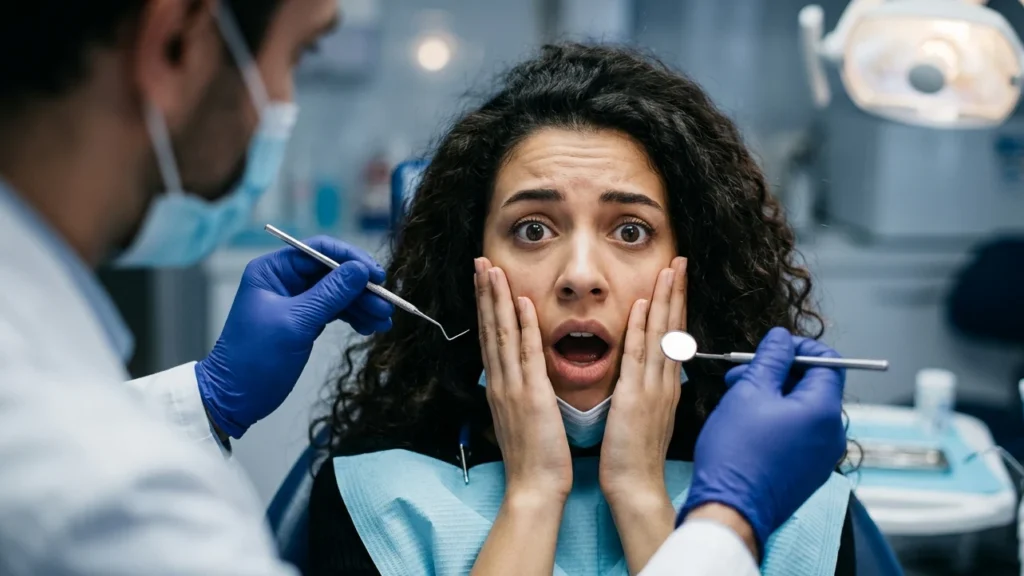
Dental Anxiety in Children
Fear of the dentist often takes root during childhood, making early intervention vital for establishing a lifetime of healthy oral habits. Children experience dental apprehension differently than adults, often expressing their discomfort through behavioral resistance, crying, tantrums, or outright refusal to enter the clinic.
Several factors contribute to pediatric dental stress:
- Fear of the Unknown: A clinic filled with unfamiliar sounds, bright lights, and masked professionals can feel incredibly intimidating to a young child.
- Parental Transmission: Children are highly perceptive. If a parent or older sibling exhibits nervousness or speaks negatively about dental procedures, the child will likely adopt those same fears.
- Sensory Overload: The high-pitched whine of a dental drill, the clinical smell of antiseptic solutions, and the feeling of instruments placed in the mouth can overwhelm a child’s sensory processing.
To prevent early fears from hardening into lifelong avoidance, pediatric dental care focuses heavily on behavioral guidance. Techniques such as “Tell-Show-Do”—where the dentist explains a tool in child-friendly terms, demonstrates it on a finger, and then performs the action—help demystify the process and build foundational trust.
Is it Normal to Have Dental Anxiety?
It is entirely normal and exceptionally common to experience some level of worry regarding dental visits. In fact, epidemiological studies indicate that a significant percentage of the global population experiences varying degrees of unease when facing oral treatments.
Feeling vulnerable while lying back in a dental chair with someone working in close proximity to your face is a natural human reaction. Your mouth is a highly sensitive, intimate zone equipped with dense networks of nerve endings designed to protect you from harm. When you permit a professional to examine this area, you are temporarily suspending your natural defense mechanisms.
Recognizing that these feelings are shared by many individuals across all demographics helps eliminate the stigma often associated with avoidance. Dental professionals encounter anxious patients daily and are thoroughly trained to adapt their clinical environments to accommodate these needs.
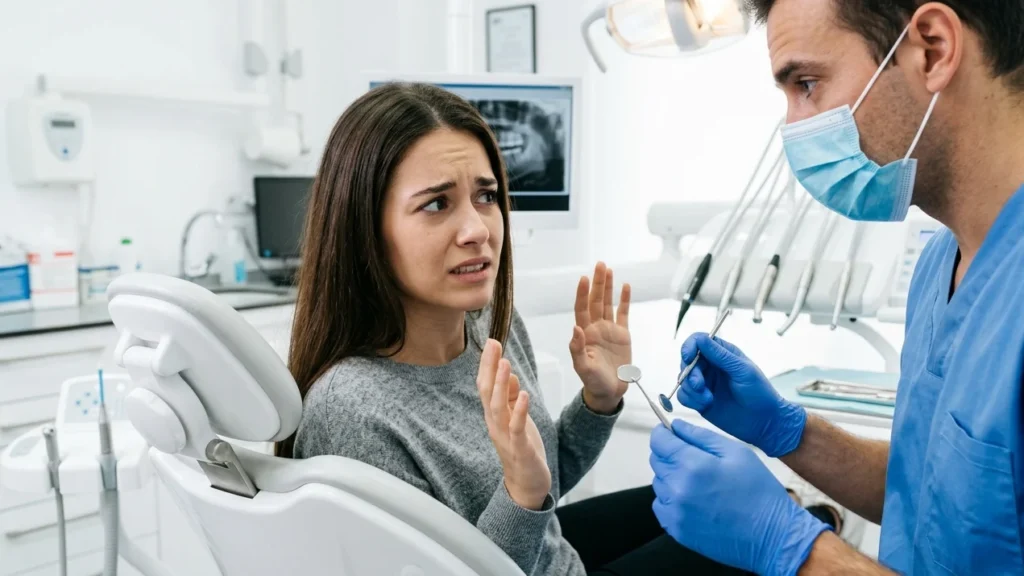
Why Do I Get Anxiety at the Dentist?
Pinpointing the exact source of your discomfort can make it far easier to manage. For most individuals, the condition is fueled by a combination of psychological, sensory, and historical triggers:
- Fear of Pain
This remains the most prevalent trigger. Many individuals harbor a deep-seated belief that dental work must inherently hurt, often reinforced by outdated societal tropes, media depictions, or personal experiences from decades past when pain-management technologies were less advanced. - Past Traumatic Experiences
A single negative, painful, or dismissive dental encounter during childhood or young adulthood can leave lasting psychological scars. If a previous practitioner ignored your cries of discomfort or rushed through a procedure without proper anesthesia, your brain links the clinic environment directly with danger. - Loss of Control and Helplessness
Lying completely flat on a dental chair, unable to see what is happening inside your mouth, and being unable to speak or move freely can trigger intense feelings of helplessness. For individuals who like to maintain control over their physical environment, this forced passivity can spark a claustrophobic panic response. - Fear of Injections or the Drill
The physical triggers within a clinic are powerful drivers of distress. The sight of a local anesthetic needle or the piercing, high-pitched acoustic frequency of the dental drill can instantly activate the body’s fight-or-flight response, sending adrenaline surging through the bloodstream. - Embarrassment and Vulnerability
Many patients feel profound shame regarding the state of their teeth or gums, especially if they have avoided professional cleanings for years. The fear of being judged, lectured, or reprimanded by clinical staff can be powerful enough to keep someone from making an appointment.
Read also about: Full guide about top dental implants by Dr. Nidhal in Dubai.
Symptoms of Dental Anxiety
The manifestations of this condition are complex, impacting your body, thoughts, and actions. Recognizing these signs allows you to address them before they escalate into an unmanageable crisis.
Physical Symptoms
- Palpitations and Elevated Heart Rate: A noticeable racing or pounding sensation in the chest as the appointment draws near.
- Hyperhidrosis: Excessive sweating, cold or clammy hands, and hot flashes, even in a well-cooled clinical environment.
- Gastrointestinal Distress: Nausea, indigestion, or a sinking feeling in the stomach on the morning of an exam.
- Muscle Tension: Involuntary clenching of the fists, gripping the armrests tightly (known as “white-knuckling”), or tightening the jaw and neck muscles.
- Hyperventilation: Rapid, shallow breathing that can lead to dizziness or a feeling of suffocation.
Psychological and Behavioral Symptoms
- Insomnia: Difficulty sleeping the night before a scheduled dental visit due to racing, repetitive thoughts.
- Crying or Agitation: Becoming visibly tearful, irritable, or defensive when discussing oral health or arriving at the clinic.
- Chronic Avoidance: Canceling appointments repeatedly at the last minute or waiting until an excruciating toothache leaves absolutely no alternative but emergency intervention.
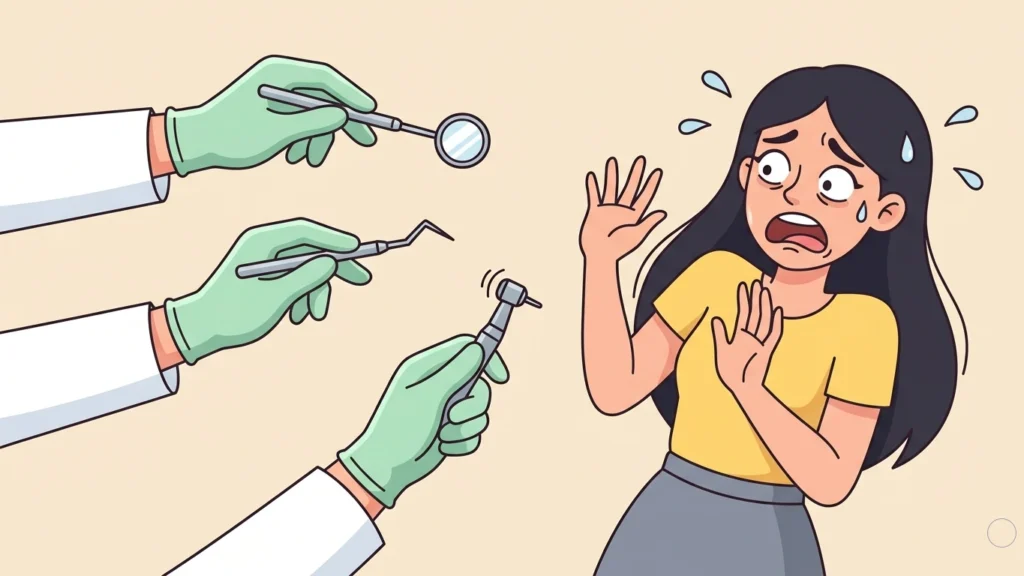
Dental Anxiety Scale
To objectively measure and categorize a patient’s distress, clinicians and researchers frequently utilize validated psychometric tools. The most widely recognized metric is the dental anxiety scale (such as the Modified Dental Anxiety Scale, or MDAS).
This standardized questionnaire asks patients to rate their expected emotional state across several hypothetical scenarios, including:
- Waiting in the reception area for an appointment.
- Sitting in the dental chair waiting for the practitioner to begin.
- Anticipating the use of a dental drill.
- Anticipating a professional teeth cleaning and scaling.
- Anticipating an injection of local anesthetic.
Each scenario is scored on a scale from 1 (completely relaxed) to 5 (extremely anxious).
- Scores between 5 and 11: Indicate low to mild nervousness, which can typically be managed through clear communication and basic relaxation techniques.
- Scores between 12 and 18: Represent moderate distress, requiring focused behavioral interventions, environmental adaptations, or mild sedation.
- Scores of 19 and above: Indicate severe distress or a profound dental phobia, which generally necessitates advanced pharmacological support, such as conscious sedation or general anesthesia, alongside psychological therapy.
Using a dental anxiety scale allows practitioners to accurately assess your comfort level before treatment begins, enabling them to customize their approach to your specific needs.
Dental Anxiety vs Dental Phobia
While these terms are frequently used interchangeably in everyday conversation, clinical psychology draws a distinct line between them regarding intensity, impact, and behavioral outcomes.
|
Feature
|
Dental Anxiety
|
Dental Phobia (Dentophobia)
|
|---|---|---|
|
Intensity
|
Mild to moderate apprehension or worry.
|
Extreme, irrational, and paralyzing fear.
|
|
Behavioral Impact
|
The patient feels nervous but ultimately completes the appointment.
|
The patient actively avoids care, often for decades, despite severe pain or infection.
|
|
Physiological Response
|
Moderate elevation in heart rate, muscle tension, or sweating.
|
Full-blown panic attacks, fainting, or severe nausea at the mere mention of a dentist.
|
|
Clinical Classification
|
A common, sub-clinical stress response to a specific environment.
|
Classified as a specific phobia under anxiety disorders in psychiatric manuals.
|
An individual with mild distress might feel uncomfortable while sitting in the waiting area but can settle into the chair and cooperate with the clinician once reassurance is provided.
Conversely, someone dealing with a profound dental phobia experiences an irrational, overwhelming panic response. This level of fear results in total avoidance of professional care, even when facing broken teeth, advanced periodontal disease, or severe, chronic pain. Overcoming a phobia often requires a collaborative approach involving specialized psychological therapies, such as Cognitive Behavioral Therapy (CBT), along with advanced sedation dentistry techniques.
Read more about how to transform your smile with our cosmetic dentistry services.
Symptoms of Dental Phobia
Because a phobia is an intense, deep-seated anxiety disorder, its clinical presentation is significantly more disruptive than ordinary nervousness. Recognizing the distinct dental phobia symptoms can help you identify whether you or a loved one requires targeted medical and psychological support.
Key behavioral and physiological markers include:
- Paralyzing Panic Attacks: Experiencing a sudden onset of chest tightness, choking sensations, a feeling of impending doom, and dizziness when attempting to walk into a dental practice.
- Complete Avoidance at All Costs: Enduring debilitating physical pain, using excessive amounts of over-the-counter painkillers, or attempting dangerous self-treatment methods at home rather than seeing a licensed professional.
- Severe Anticipatory Dread: Experiencing profound sleep disturbances, clinical anxiety, or depressive episodes for weeks leading up to an inevitable dental procedure.
- Somatic Reflexes: Involuntary gagging, choking, or vomiting reflexes triggered purely by the placement of basic diagnostic tools, like a small dental mirror, inside the mouth.
- Vasovagal Syncope: A sudden drop in heart rate and blood pressure that causes fainting or lightheadedness when encountering specific triggers, such as the sight of a syringe or the distinct smell of dental materials.
If you recognize these dental phobia symptoms in your own life, it is essential to realize that standard advice to “just relax” is rarely effective. You require a specialized clinical approach that combines profound empathy, physical pacing, and advanced sedation options to rebuild your confidence safely.
Read more about Dr Nidhal’s patients’ reviews and testimonials, and discover how patients describe their journey with Dr. Nidhal
How Do You Treat Dental Anxiety?
Modern oral healthcare offers a diverse array of advanced techniques designed to alleviate stress, transforming the clinical experience into something gentle and reassuring. Treatment strategies generally fall into two categories: behavioral management and pharmacological intervention.
Behavioral and Psychological Methods
- Cognitive Behavioral Therapy (CBT): A structured psychological approach that helps patients identify, challenge, and reframe negative thoughts regarding dental work, systematically replacing fear responses with calmer, more balanced perspectives.
- Systematic Desensitization: Gradual, controlled exposure to clinical triggers. A patient might start by simply visiting the clinic to sit in the chair, progressing to an examination with a mirror, and later moving on to minor treatments as their confidence grows.
- Distraction and Grounding Techniques: Focusing the mind away from the procedure using guided imagery, controlled breathing rhythms, or focusing on tactile sensations, like holding a stress ball.
Pharmacological Solutions (Sedation Dentistry)
- Inhalation Sedation (Nitrous Oxide): Often referred to as “laughing gas,” this colorless gas is inhaled through a small nosepiece. It induces a rapid state of light relaxation and mild euphoria while keeping you fully awake and capable of responding to instructions. The effects reverse within minutes of turning off the gas.
- Oral Conscious Sedation: Prescribing an oral sedative medication (typically from the benzodiazepine class) to be taken an hour before your appointment. This medication produces a deep state of calmness, reduces physical tension, and frequently causes mild anterograde amnesia, meaning you will remember very little of the actual procedure.
- Intravenous (IV) Sedation: Administering sedative agents directly into the bloodstream under careful monitoring. This option places you in a deep, twilight sleep where you remain semi-conscious but completely detached from the sights, sounds, and sensations of the procedure.
- General Anesthesia: Reserving full unconsciousness for patients with severe phobias or those undergoing extensive surgical reconstructions, carried out under the supervision of a qualified anesthesiologist.
Visit the patient connection hub section to learn more about your condition and connect with Dr Nidhal Sultan in Dubai.

Tips and Lifestyle Modifications to Deal with Dental Anxiety
While choosing the right clinical team is essential, you can also practice several effective self-care strategies before and during your visit to help manage your stress levels:
- Schedule Smartly: Choose an early morning appointment so you do not spend the entire day dwelling on the upcoming visit. Select a quieter day of the week when the practice is less bustling.
- Limit Stimulants: Avoid consuming caffeinated beverages like coffee, energy drinks, or strong teas before your visit. Caffeine is a central nervous system stimulant that can amplify physical anxiety symptoms, such as jitters and a racing heart rate.
- Establish a Stop Signal: Prior to starting any work, agree on a clear, non-verbal signal—such as raising your left hand—with your dentist. This simple step ensures that if you feel overwhelmed or need a break, you can halt the procedure instantly, restoring your sense of control.
- Bring a Trusted Companion: Having a supportive friend, partner, or family member sit with you in the waiting area, or even accompany you into the treatment room, can provide a powerful sense of comfort and security.
- Practice Mindfulness and Breathwork: Utilize deep diaphragmatic breathing—such as the 4-7-8 technique (inhale for 4 seconds, hold for 7, exhale slowly for 8)—to actively lower your heart rate and settle an overactive nervous system while sitting in the chair.
Try Dr Nidhal’s online smart smile assessment to provide him with pre-consultation valuable information that helps in diagnosing and fixing your problem.
Prevention of Dental Anxiety
Preventing dental worry from developing or worsening is far easier than managing a deep-seated phobia later in life. Developing a proactive, health-focused relationship with your dental care routine is key.
- Establish Early Positive Routines
Introduce children to the dental clinic before their first birthday, or as soon as their first primary teeth emerge. These early visits should focus entirely on positive reinforcement, familiarization, and fun, ensuring the clinic is never viewed solely as a place for treating pain. - Prioritize Regular Preventive Care
Committing to routine checkups and cleanings every six months prevents major oral health issues from developing in the first place. Simple, painless preventive care removes the need for more complex, invasive treatments down the line. - Cultivate Open Communication
Never hesitate to share your worries openly with your dental office when scheduling an appointment. A high-quality practice will note your concerns directly in your file, allowing the clinical team to adjust their pace, explain every step thoroughly, and ensure you feel completely safe throughout your visit.
Discover Dr Nidhal’s case studies and patients’ results, real transformations achieved through expert care, advanced techniques, and a refined dental experience with Dr. Nidhal Sultan.
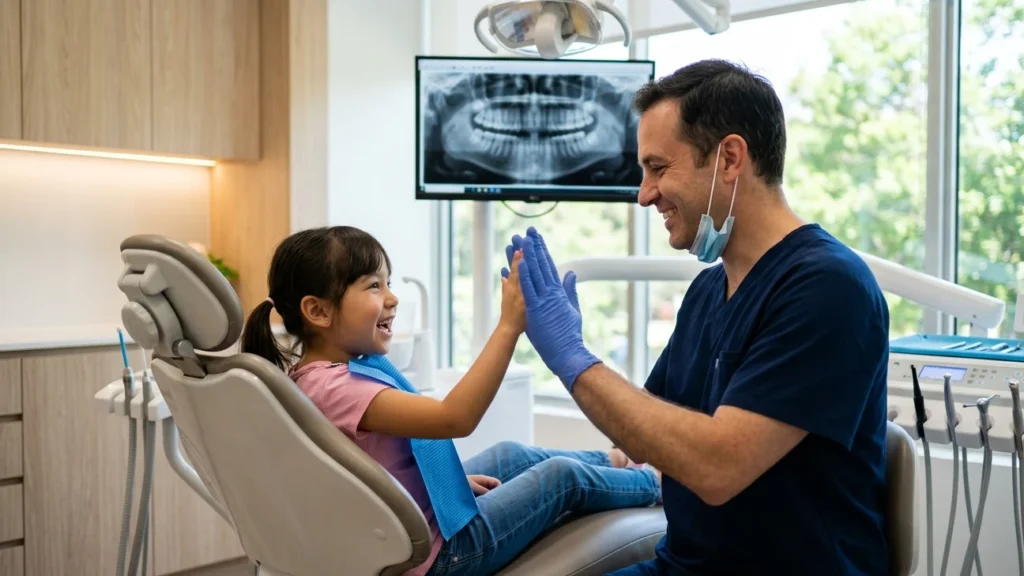
Choose Dr. Nidhal Sultan in Dubai
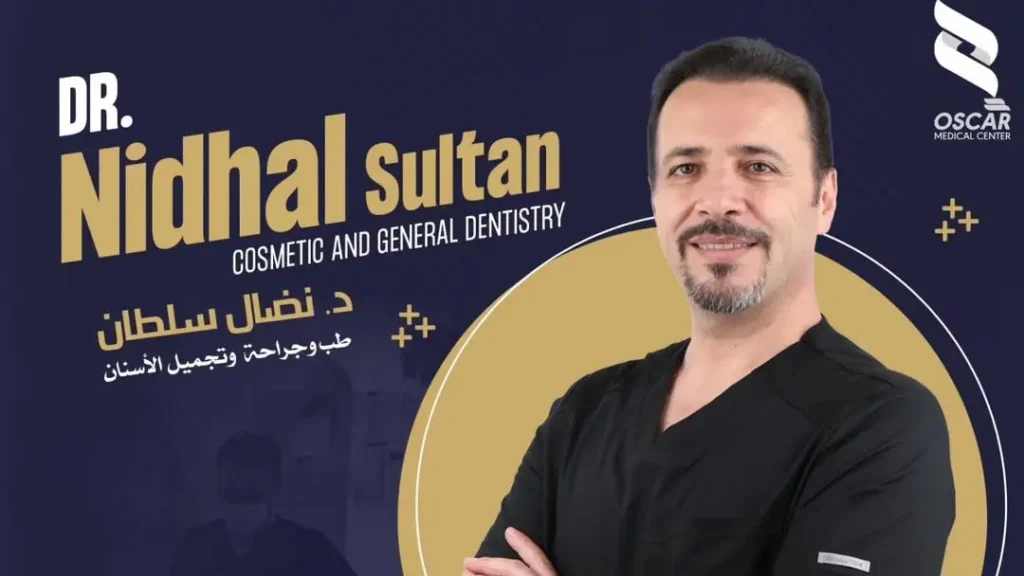
When managing dental apprehension or navigating a complex phobia, the expertise, empathy, and environment provided by your practitioner make all the difference. For residents and visitors across the UAE seeking a truly compassionate, patient-centered experience, visiting Dr. Nidhal Sultan’s website offers a pathway to stress-free oral care.
Located in Dubai, this practice is uniquely designed to support patients who experience elevated stress surrounding dental appointments. The clinic balances technical precision with a warm, welcoming approach, ensuring every individual feels seen, heard, and respected.
Why This Practice Stands Out for Anxious Patients
- A Patient-Centered Philosophy: Your comfort always takes priority. The team never rushes your care or dismisses your concerns; instead, they move at your pace, explaining each step clearly and answering your questions before any work begins.
- A Calming Environment: From the moment you arrive, the welcoming, peaceful atmosphere is carefully designed to reduce sensory triggers and ease anticipatory tension.
- Advanced Pain-Management Technologies: Utilizing state-of-the-art diagnostic and treatment tools ensures that every procedure is carried out with exceptional accuracy, minimal discomfort, and optimized healing times.
- Tailored Sedation Options: Whether you require light relaxation to settle minor jitters or a more advanced sedation approach to overcome a severe phobia, the clinic offers customized solutions to match your needs.
You do not have to compromise your oral health or endure persistent discomfort due to fear. Partnering with a dedicated specialist who understands the complexities of dental stress allows you to comfortably achieve a healthy, confident smile.
FAQs about dental anxiety
How do you deal with anxiety at the dentist?
Dealing with stress during your appointment starts with clear communication. Always let your clinician know about your fears before treatment begins, establish a simple hand signal to pause the procedure whenever you need a break, and practice slow, deep breathing to help keep your body relaxed. Many patients find that bringing a trusted friend or using noise-canceling headphones provides an extra layer of comfort.
Can dentists tell if you have anxiety?
Yes, experienced dental professionals can easily recognize when a patient is feeling anxious. They are trained to notice subtle physical indicators, including rapid or shallow breathing, tightly clenched fists on the armrests, increased muscle tension in the jaw and neck, excessive sweating, or a hyperactive gag reflex. Sharing your feelings openly allows your team to actively adjust their approach and support you more effectively.
How do I stop having anxiety about my teeth?
Overcoming worry about your teeth requires a shift toward gentle, consistent preventive care. Partnering with an empathetic, non-judgmental dentist helps eliminate the fear of being lectured or criticized about your oral health. Taking charge of your routine with daily brushing and flossing, combined with regular, stress-free checkups, prevents minor issues from turning into complex problems and builds your confidence over time.
What to listen to at the dentist for anxiety?
Listening to calming audio through headphones is an excellent way to block out clinical sounds like the dental drill. Many patients find comfort in soothing genres like classical music, ambient soundscapes, or lo-fi beats. Audiobooks, engaging storytelling podcasts, or guided meditation and mindfulness tracks are also highly effective for keeping your mind focused away from the procedure.
How many people have dental anxiety?
It is an incredibly widespread condition. Global epidemiological studies indicate that approximately 36% of the population experiences varying degrees of dental worry, with an additional 12% suffering from a severe, clinical phobia. Because this challenge is so common, modern dental offices are highly experienced in using specialized comfort techniques and sedation options to help patients feel secure.
Final words about dental anxiety
Experiencing dental anxiety is a very real, highly common challenge, but it should never stand in the way of your health, well-being, or confidence. Delaying essential care out of fear only allows minor issues to develop into complex problems, creating a stressful cycle that is entirely preventable. With today’s advanced behavioral techniques, comforting clinical spaces, and modern sedation options, visiting the dentist can genuinely be a calm, reassuring experience.
Taking that first step toward care is often the hardest part, but you do not have to navigate it alone. Choosing a dental partner who prioritizes your emotional well-being alongside your clinical treatments changes everything. If you are ready to experience gentle, compassionate dentistry tailored to your comfort right here in Dubai, consider exploring the resources and booking options available on Dr. Nidhal Sultan’s website to begin your journey toward a healthy, stress-free smile.