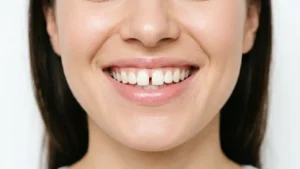
A confident smile can completely change how you interact with the world. Whether you are meeting clients in Downtown Dubai, socializing at Dubai Marina, or attending a high-profile corporate event, your smile is one of the first things people notice. However, minor dental imperfections like chipped teeth, noticeable gaps, or deep discoloration can make you hold back your laughter and hide your smile.
If you have been searching for a quick, minimally invasive, and highly effective way to address these imperfections, dental bonding offers an exceptional solution. This popular cosmetic procedure has helped thousands of individuals restore the function and beauty of their teeth in a single visit.
In this comprehensive guide, we will explore everything you need to know about this transformative treatment, outline what to expect during the process, and introduce you to the exceptional clinical expertise available at the website of Dr. Nidhal Sultan, widely recognized as Dubai’s premier destination for advanced cosmetic dentistry.
What is Dental Bonding?
At its core, dental bonding is a cosmetic procedure in which a durable, tooth-colored resin material is applied to the surface of a tooth and hardened with a specialized curing light. The term “bonding” originates from the physical and chemical process where the material literally bonds to the natural structure of your tooth to repair or improve its overall appearance.
Unlike complex restorative processes that require extensive laboratory fabrication, this technique allows a skilled cosmetic dentist to sculpt, shape, and polish the resin directly on your tooth. It is highly versatile and frequently utilized by top clinicians to resolve a broad spectrum of minor aesthetic challenges.
Key Aesthetic Concerns Addressed by Bonding:
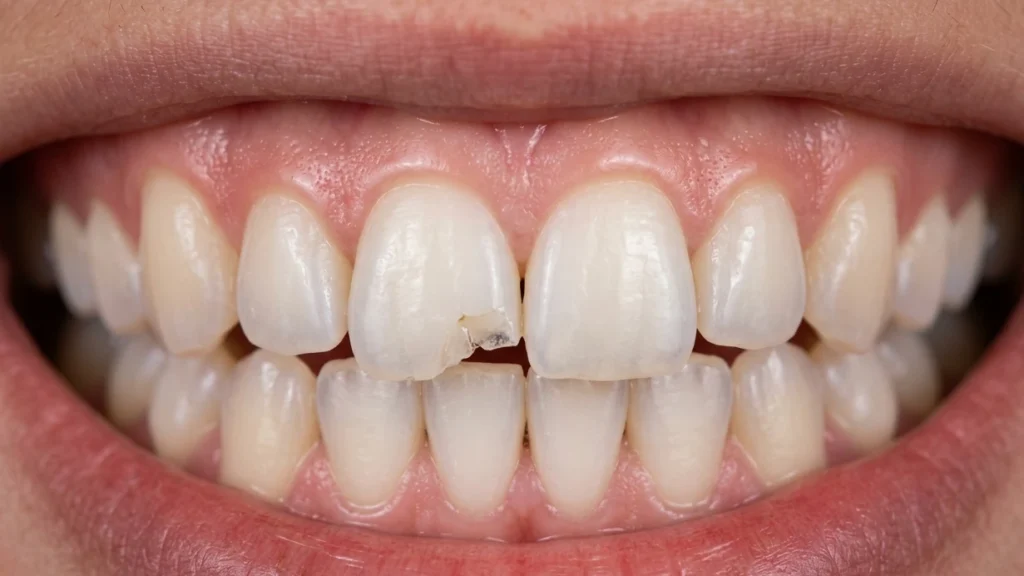
- Repairing Fractured or Chipped Teeth: Restores the structural form of teeth damaged by minor trauma or wear.
- Closing Distracting Gaps: Effectively closes small spaces or diastemas between front teeth without the need for braces.
- Alleviating Discoloration: Masks intrinsic stains that do not respond to traditional chemical teeth whitening.
- Altering Tooth Geometry: Lengthens short teeth or reshapes misaligned, irregular dental profiles to establish symmetry.
- Protecting Exposed Roots: Covers areas of root exposure caused by receding gums, significantly reducing tooth sensitivity.
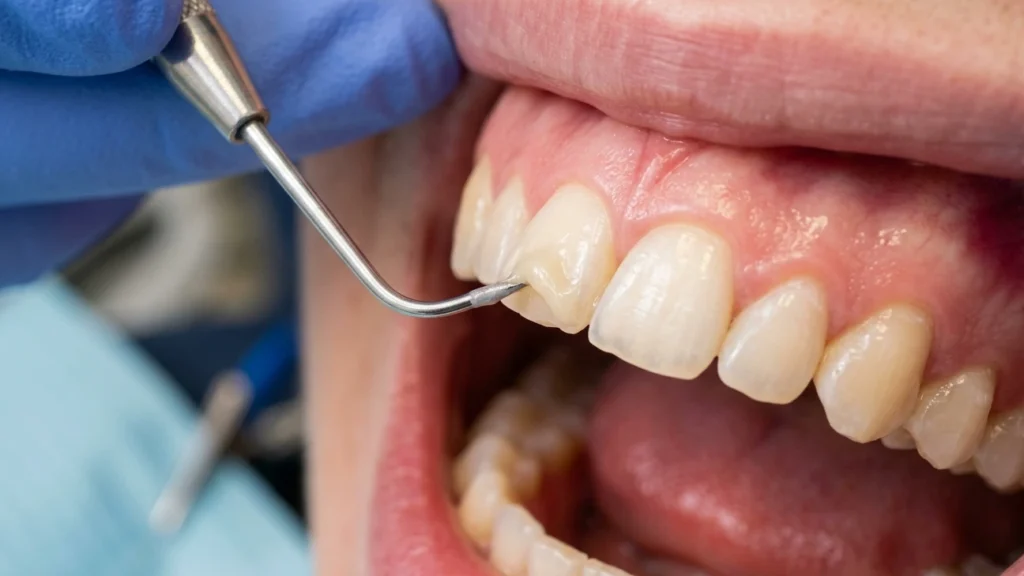
How Does Dental Bonding Work?
The fundamental science behind dental bonding relies on micro-mechanical adhesion. The human tooth enamel is incredibly dense, but when treated with a mild, medical-grade conditioning agent, its microscopic surface becomes textured. This texture provides an ideal foundation for the liquid bonding agent to flow into and secure itself.
Once the bonding agent is applied, the dentist layers a specialized putty-like material known as dental composite bonding. This material is engineered from a sophisticated mixture of plastic resins and microscopic silica or glass fillers. These fillers give the material its characteristic strength, translucency, and light-reflecting properties, allowing it to mimic the natural appearance of human enamel.
By carefully applying the composite in thin increments and using a specific wavelength of blue light to polymerize (harden) each layer, the dentist permanently integrates the material into your natural tooth structure.
Who is a Good Candidate for Dental Bonding?
While cosmetic dental bonding is an incredibly versatile option, it is primarily designed for individuals with minor structural damage or aesthetic concerns in areas of low bite pressure, such as the front teeth.
Ideal Candidates Include Individuals With
- Healthy, disease-free teeth and gums.
- Minor chips, cracks, or localized surface fractures.
- Small gaps between anterior teeth that affect smile harmony.
- Stains or developmental white spots that cannot be resolved through bleaching.
- A desire for an immediate, single-appointment smile enhancement without significant tooth reduction.
Who Might Need Alternative Treatments?
Because the composite resin used in the procedure does not possess the same structural tensile strength as porcelain or natural enamel, it is not ideal for major structural restorations. If you suffer from extensive dental decay, large fractures on the heavy chewing surfaces of your molars, or severe orthodontic misalignment, treatments such as porcelain crowns, veneers, or orthodontic therapy may be recommended to achieve a long-lasting and stable outcome.
How to Prepare for Your Dental Bonding Procedure
One of the greatest benefits of undergoing a dental bonding procedure is that the preparation required from the patient is remarkably minimal. Because the treatment is non-invasive and rarely requires structural alteration of the inner tooth layers, you do not need to alter your daily routine prior to your appointment.
Essential Pre-Procedure Steps:
- Comprehensive Consultation: Your dentist will thoroughly examine your oral health, take necessary digital x-rays, and confirm that your teeth are free from underlying decay.
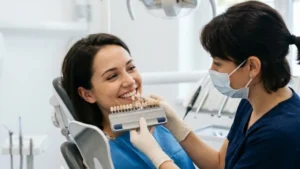
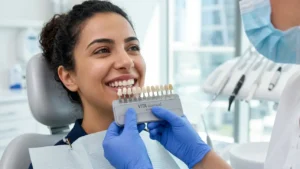
- Shade Selection Matching: Using a physical or digital shade guide, your clinician will carefully match the exact color of your natural teeth to the available composite resin options to ensure a seamless blend.
- Professional Cleansing: A quick hygiene cleaning is often performed immediately beforehand to ensure the targeted teeth are entirely free of plaque, tartar, and surface bio-film, which optimizes bond strength.
Step-by-Step: What to Expect During the Dental Bonding Procedure
Understanding the step-by-step progression of your treatment can alleviate any anxiety and help you feel entirely comfortable during your visit to a premier clinic for dental bonding Dubai. The process is highly efficient and typically takes between 30 to 60 minutes per tooth.
1. Isolation and Surface Preparation
The dentist begins by thoroughly cleaning the tooth. Cotton rolls or a specialized dental dam will be positioned around the treatment area to keep the tooth completely dry and isolated from saliva, as moisture can interfere with the chemical bonding process.
2. Etching the Enamel
A mild phosphoric acid conditioning gel is carefully applied to the surface of the tooth for approximately 15 to 20 seconds. This safe process creates micro-porosities in the enamel. The gel is then rinsed away with water, leaving the tooth surface looking slightly matte or frosty.
3. Applying the Liquid Bonding Agent
A liquid bonding resin is brushed onto the etched tooth surface. This liquid flows deep into the microscopic pores created by the conditioning gel. A brief exposure to a high-intensity curing light hardens this layer instantly, creating a strong anchor for the composite material.
4. Layering and Sculpting the Composite
The dentist selects the precise shade of dental composite bonding and applies it in increments. Using specialized hand instruments, the clinician expertly sculpts the putty-like resin, molding it to match the contours, length, and width of your surrounding teeth.
5. Laser or Light Curing
Once the shape is perfectly formed, a specialized blue curing light is directed at the tooth for roughly 20 to 40 seconds per layer. This light triggers a chemical reaction within the resin, transforming it from a pliable material into a rigid, rock-hard structure.
6. Refining and Polishing
After the material is fully hardened, the dentist uses fine dental burs and sanding discs to refine the shape further, checking your bite to ensure comfort. Finally, polishing wheels and pastes are used to buff the restoration, giving it a high-gloss, natural sheen that reflects light just like natural enamel.
Is Dental Bonding Painful?
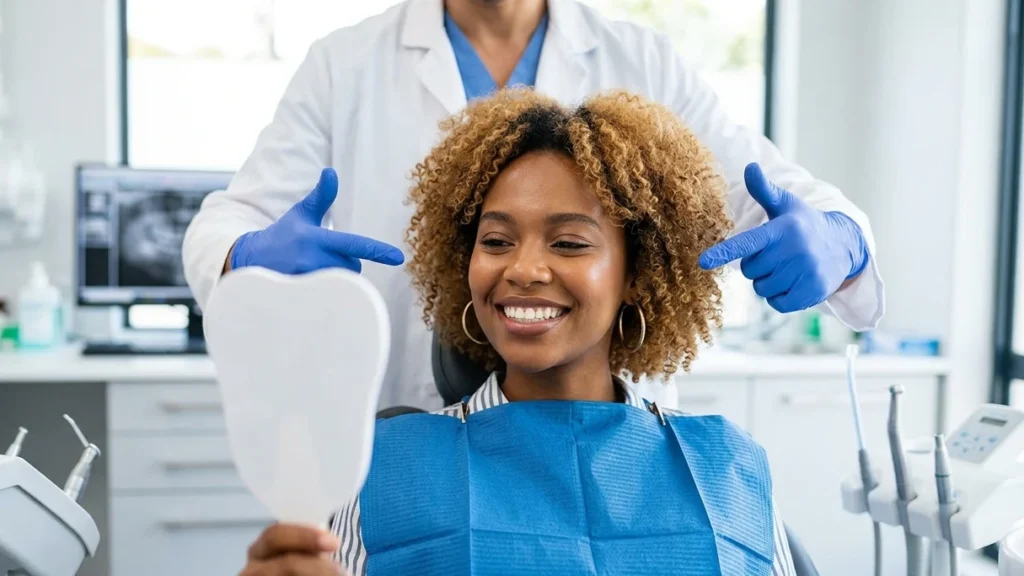
For the vast majority of patients, the answer is a resounding no. The dental bonding process is widely recognized as one of the most comfortable and stress-free treatments available in modern cosmetic dentistry.
Because the procedure is non-invasive and focuses primarily on the outermost surface of the enamel—which does not contain nerve endings—the treatment is completely painless. Local anesthesia is rarely required. The only scenarios where a local numbing agent might be utilized are if the bonding is being used to fill an active cavity that extends into the sensitive dentin layer, or if the material is being placed near the sensitive gumline to cover an exposed root.
Is Dental Bonding Permanent?
While the chemical bond achieved during the procedure is incredibly secure, the material itself is not considered permanent. Unlike porcelain veneers or crowns, which are highly resistant to wear and cannot change color, composite resins naturally experience gradual degradation and surface wear over time.
Furthermore, composite resin cannot be chemically whitened once it has cured. If you decide to whiten your natural teeth in the future, the bonded resin will retain its original color, potentially creating an uneven look. For this reason, cosmetic experts always recommend completing any desired teeth whitening treatments before undergoing your bonding procedure so the composite can be matched perfectly to your new, brighter smile.
What Is the Lifespan of Bonded Teeth?
The longevity of your smile after undergoing cosmetic dental bonding depends significantly on the location of the treated tooth, your structural bite alignment, and your personal oral hygiene habits.
On average, a high-quality composite bond lasts anywhere from 3 to 10 years before requiring minor maintenance, touch-ups, or total replacement.
Factors That Direct Impact Longevity:
- Anatomical Location: Bonding placed on the very edge of front incisors is exposed to greater mechanical force during biting and may chip sooner than bonding used to close gaps between teeth.
- Dietary Habits: Frequent consumption of highly acidic foods, hard candies, or crunchy snacks accelerates material wear.
- Parafunctional Habits: Chronic teeth grinding (bruxism), clenching, or using your teeth as tools to open packaging will drastically shorten the lifespan of the resin.

How to Care for Your Bonded Teeth
To ensure your smile retains its radiance and durability for as long as possible, you must implement a diligent home care routine. Composite resin is slightly more porous than natural enamel, making it more susceptible to staining and surface scratches if neglected.
Essential Oral Hygiene and Protection Tips:
- Brush with Non-Abrasive Paste: Clean your teeth at least twice daily using a soft-bristled toothbrush. Avoid whitening toothpastes containing heavy abrasives like baking soda or charcoal, as they can leave microscopic scratches on the resin, dulling its polish.
- Commit to Daily Flossing: Floss daily around the bonded teeth to remove plaque and prevent marginal decay along the borders of the restoration.
- Minimize Staining Agents: Limit your consumption of deeply pigmented beverages and foods such as espresso, black tea, red wine, soy sauce, and berries, particularly during the first 48 hours following your procedure.
- Eliminate Tobacco Products: Smoking and vaping rapidly discolored composite resins, turning them an unappealing yellowish-brown hue that cannot be reversed with brushing.
- Wear a Nightguard if Needed: If you tend to grind your teeth while sleeping, ask your dentist for a custom nightguard to protect your cosmetic investment from structural fracture.
Discover more about Dr Nidhal’s cosmetic dentistry solutions and treatments.
Dental Bonding Before and After Results
The transformations achieved through dental bonding are truly remarkable. Patients frequently walk into the dental clinic feeling self-conscious about a fractured, uneven, or unevenly spaced smile, and walk out just an hour later with a completely restored, highly symmetrical appearance.
What Real Patients Observe:
|
Before Treatment
|
After Treatment
|
|---|---|
|
Noticeable, dark gaps between central incisors
|
Fully closed space with ideal tooth symmetry
|
|
Jagged, chipped edges from accidental impact
|
Smooth, natural, and uniform biting edges
|
|
Localized, stubborn yellow or white mineral stains
|
Clean, uniform, and radiant white tooth color
|
|
Short, worn-down teeth due to age or friction
|
Re-lengthened, youthful dental proportions
|
These immediate aesthetic improvements don’t just upgrade your appearance; they provide a profound boost to your self-esteem, changing how you present yourself professionally and personally.
Discover more about how to transform your smile with our cosmetic dentistry services.
Can Teeth Bonding Be Combined with Other Treatments?
Yes, dental bonding is regularly utilized as a complementary component of a broader, comprehensive smile makeover strategy. It integrates beautifully with various other clinical treatments to deliver a balanced and harmonious outcome.
Popular Treatment Combinations:
- Laser Gum Contouring: If you have an uneven or “gummy” smile, a cosmetic dentist can use an advanced dental laser to reshape your gumline first, followed by bonding to perfect the lengths and shapes of the teeth.
- In-Office Teeth Whitening: Patients frequently opt for an advanced whitening treatment across their entire smile, followed by the placement of composite bonding to repair chips on the front teeth, perfectly matched to the newly brightened shade.
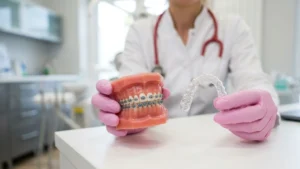
- Post-Orthodontic Refinement: After completing treatment with clear aligners or traditional braces, teeth may be straight but still display uneven wear or minor gaps. Teeth bonding is the perfect final touch to polish and harmonize these minor issues.
Read more about: Composite Bonding Dubai | Dr. Nidhal | Expert Smile Design.
Pros and Cons of Dental Bonding
To help you make an informed decision for your oral healthcare journey, it is valuable to weigh the distinct advantages and limitations of choosing composite resin restorations.
The Advantages (Pros):
- Outstanding Speed: The entire procedure is completed in a single appointment, saving you multiple visits to the clinic.
- Minimally Invasive Care: Unlike crowns or veneers, bonding requires virtually zero removal of healthy natural tooth enamel, preserving your native tooth structure.
- Highly Cost-Effective: The dental bonding price is significantly lower than that of custom laboratory-fabricated porcelain restorations.
- Completely Reversible & Repairable: If a bonded edge ever chips, a skilled dentist can easily add more resin and repair it in minutes without replacing the entire restoration.
The Limitations (Cons):
- Susceptibility to Stains: Over time, exposure to dark liquids and foods can cause the margins of the resin to stain more rapidly than porcelain.
- Lower Material Strength: Composite resin is more brittle than porcelain or solid metal-ceramic crowns and can chip under extreme pressure.
- Shorter Overall Lifespan: Requires replacement or refurbishing every few years, whereas porcelain alternatives can easily last decades.
Try Dr Nidhal’s smart online assessments to provide him with valuable pre-consultation information that helps diagnose and fix your problem.

Potential Risks of Dental Bonding
While the dental bonding procedure is exceptionally safe and carries a high clinical success rate, it is important to understand the minor risks associated with the treatment.
Key Considerations:
- Debonding or Debonding Fractures: Under heavy chewing forces or accidental trauma, the resin can separate from the underlying enamel, requiring a clinic visit to re-bond the material.
- Marginal Leakage or Decay: If oral hygiene is neglected, microscopic bacteria can infiltrate the tiny seam where the natural tooth meets the composite resin, potentially leading to localized tooth decay underneath the restoration.
- Minor Temporary Sensitivity: Some individuals may experience mild temperature sensitivity to cold or hot drinks for a few days immediately following the treatment, though this typically resolves on its own.
Visit the patient connection hub section to learn more about your condition and connect with Dr Nidhal Sultan.
How Much Does Dental Bonding Cost?
When looking into cosmetic options, understanding the financial aspect is essential. The general dental bonding cost in dubai varies based on several distinct factors, including the complexity of the tooth fracture, the location of the tooth, and the specific expertise of the cosmetic clinician.
Generally, the how much does it cost for dental bonding question can be answered with a typical range of AED 400 to AED 1,200 per tooth across standard clinics in the UAE.
Key Factors Influencing the Total Price
- Scope of the Restoration: A small corner chip requires less material and time than a full-surface structural build-up to close a massive gap.
- Clinical Reputation & Location: High-end clinics located in premier medical hubs utilize premium, ultra-fine nano-hybrid composites and advanced curing systems, which may influence the pricing structure.
- Insurance Coverage Policies: Because bonding is primarily categorized as a cosmetic enhancement, standard dental insurance policies rarely provide full coverage unless the bonding is strictly required to repair a functional structural fracture or structural decay.
Discover Dr Nidhal’s patients’ reviews and testimonials, and how patients describe their journey with Dr. Nidhal.

Dental Bonding vs. Veneers: Which is Best for You?
Choosing between composite restorations and porcelain veneers is one of the most common dilemmas faced by patients seeking smile enhancements. Both options offer incredible cosmetic benefits, but they serve different clinical needs.
Quick Comparison Matrix:
|
Feature
|
Dental Bonding
|
Porcelain Veneers
|
|---|---|---|
|
Primary Material
|
Composite Glass Resin
|
High-Grade Dental Ceramic
|
|
Production Time
|
1 Visit (Directly Sculpted)
|
2–3 Visits (Laboratory Fabricated)
|
|
Enamel Reduction
|
Virtually None
|
Micro-shaving required (0.3mm - 0.7mm)
|
|
Stain Resistance
|
Moderate
|
Exceptionally High (Impervious to stain)
|
|
Average Lifespan
|
3 to 10 Years
|
10 to 20+ Years
|
|
Relative Cost
|
Highly Budget-Friendly
|
Higher Initial Investment
|
If you are looking for an immediate, affordable, and conservative fix for one or two minor imperfections, bonding is an exceptional choice. However, if you are looking to completely redesign your entire smile line, alter the color of all your front teeth permanently, and want a material that will never stain, investing in custom porcelain veneers is often the superior long-term path.
Read more about: what is done in veneer teeth process in Dubai with Dr Nidhal.
How to Choose the Best Dentist for Dental Bonding
Cosmetic dentistry is as much an art form as it is a science. Because composite resin is sculpted by hand directly onto your tooth in real-time, the ultimate aesthetic outcome depends completely on the artistic skill, precision, and visual eye of your clinician.
What to Look For in a Cosmetic Dentist:
- A Proven Portfolio: Always ask to view a verified gallery of genuine “before and after” photos showcasing composite bonding cases they have personally completed.
- Advanced Clinical Training: Ensure your dentist holds post-graduate certifications specifically in advanced cosmetic and adhesive dentistry.
- State-of-the-Art Technology: The clinic should utilize elite dental materials, high-intensity polymerization lights, and precision isolation techniques to guarantee maximum bond strength.
- A Patient-Centric, Empathetic Approach: Look for a practitioner who takes the time to listen to your personal goals, performs an exhaustive structural evaluation, and customizes a treatment plan tailored entirely to your unique facial features.
Discover more about Dr Nidhal’s case studies & patients’ results, real transformations achieved through expert care, advanced techniques, and a refined dental experience with Dr. Nidhal Sultan.
Book Your Consultation with Dr. Nidhal Sultan
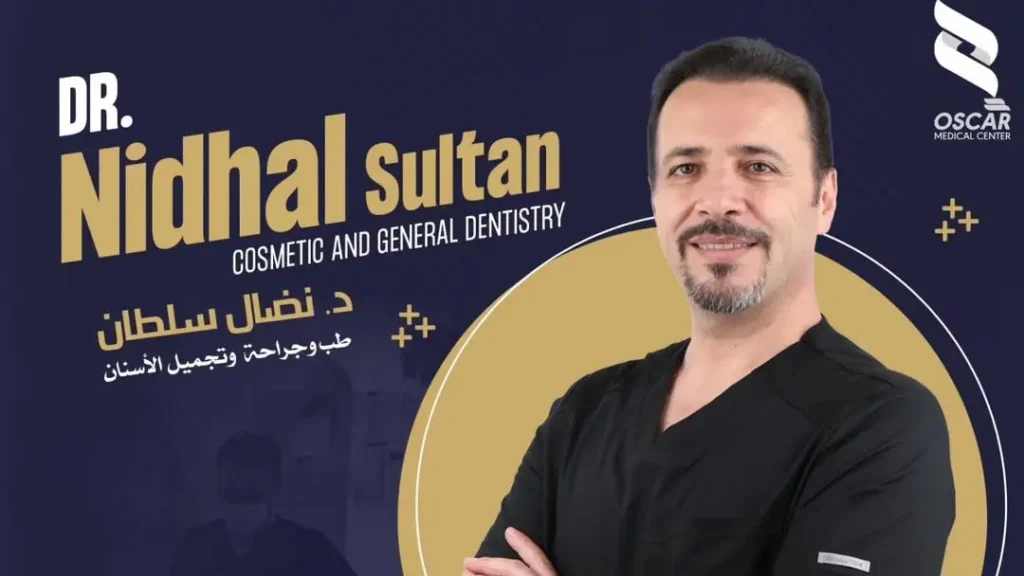
If you are ready to take the next step toward achieving a beautiful, healthy smile, choosing an experienced professional is the most important decision you will make. With years of clinical excellence, a state-of-the-art practice environment, and a reputation for creating breathtakingly natural transformations, Dr. Nidhal Sultan is the trusted partner for premium cosmetic dentistry solutions in the region.
Whether you need to repair a single chipped tooth, close an uncomfortable gap, or completely revitalize your smile, you can trust that your dental health is in the most capable hands. Don’t let minor imperfections hold you back any longer. Contact our professional care team today to book your personalized, comprehensive smile consultation and experience the very highest standards of patient care.
Frequently Asked Questions (FAQs)
How long does dental bonding last?
On average, high-quality composite bonding lasts between 3 to 10 years. Its exact lifespan depends on the location of the treated tooth, your oral hygiene habits, your diet, and whether you struggle with involuntary nighttime teeth grinding. Receiving regular professional cleanings and examinations helps prolong the life of the restoration.
How much is dental bonding?
In Dubai, the cost of composite bonding generally ranges from AED 400 to AED 1,200 per tooth. The final price depends on the overall surface area of the tooth that needs repair, the complexity of the sculpting process, and the specific clinical techniques utilized by your specialist.
What are the negatives of dental bonding?
The primary disadvantages of composite bonding are that the material is more porous than porcelain or natural tooth enamel, meaning it can stain over time from coffee, tea, and tobacco. Additionally, composite resin is more brittle than ceramic options, making it more prone to minor chipping under high biting forces.
What is the most painful dental treatment?
Historically, deep surgical treatments such as advanced root canal therapy on highly infected teeth or complex surgical wisdom teeth extractions were associated with discomfort. However, with modern dental techniques, profound local anesthetics, and advanced sedation options, even the most complex dental procedures can be performed completely free of pain.