For many individuals in Dubai seeking a permanent solution to tooth loss, the journey often hits a roadblock when they are told they lack sufficient bone density for traditional implants. It can be a devastating realization, but modern restorative dentistry offers a groundbreaking alternative. If you have been told you aren’t a candidate for standard dental surgery due to severe bone loss in the upper jaw, Zygomatic dental implants may be the life-changing solution you need.
In this comprehensive guide, we will explore why these specialized implants are becoming the gold standard for complex restorative cases in the UAE, how they differ from traditional methods, and why seeking expert care from a specialist like Dr. Nidhal Sultan is crucial for a successful outcome.
What are Zygomatic Dental Implants?
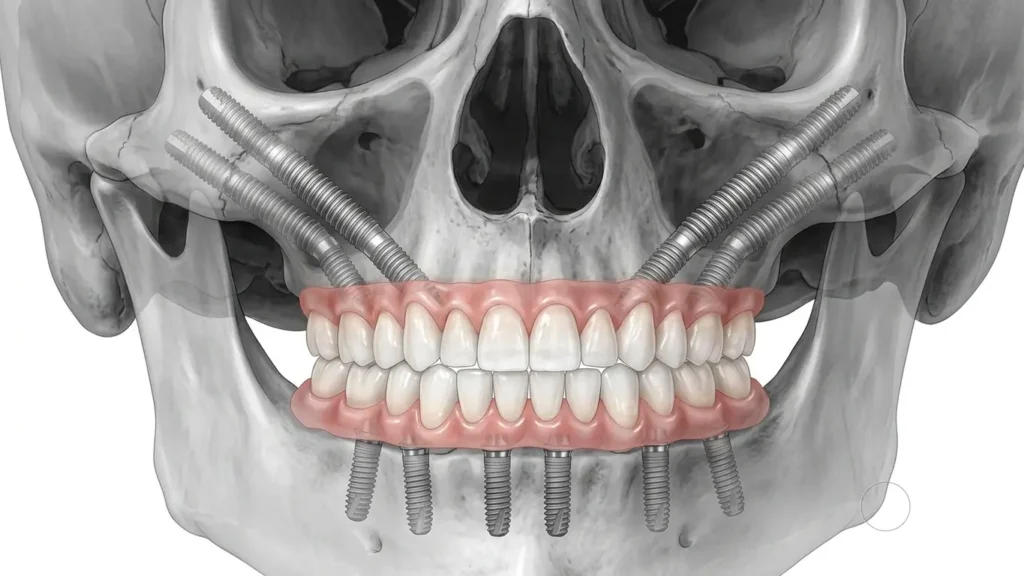
Zygomatic dental implants are longer, specialized dental implants designed specifically for the upper jaw (maxilla). Unlike traditional implants that are placed into the alveolar bone (the bone that supports your teeth), zygomatic implants are anchored into the zygomatic bone, more commonly known as the cheekbone.
The cheekbone is significantly denser and more stable than the maxillary bone, especially in patients who have suffered from long-term tooth loss or periodontal disease. Because they bypass the need for bone grafting, these implants provide a “foundation” for a full bridge of teeth, often in just one or two appointments.
Types of Zygomatic Dental Implants
While the core concept remains the same, anchoring into the cheekbones, surgeons may utilize different approaches based on the patient’s anatomy:
- Single Zygomatic Implants: Used when there is some bone left in the front of the mouth but none in the back. Usually, two zygomatic implants are combined with two to four conventional implants.
- Double (Quad) Zygomatic Implants: Used when there is severe bone resorption across the entire upper jaw. In this case, four zygomatic implants are placed (two on each side) to support a full arch of teeth.
- Extramaxillary vs. Intramaxillary: This refers to whether the implant body resides mostly inside or outside the sinus cavity, a decision made based on the specific shape of your facial structure.
Zygomatic Dental Implants Using Conditions
Zygomatic dental implants are not the first line of treatment for a single missing tooth; rather, they are a specialized solution for specific, complex conditions:
- Severe Bone Atrophy: When the upper jaw bone has shrunk significantly due to age or long-term denture wear.
- Failed Bone Grafts: If a patient has attempted sinus lifts or bone grafts that did not “take” or heal properly.
- Failed Traditional Implants: When previous attempts at standard implantology have failed.
- Congenital Defects: Conditions like cleft palate that result in insufficient bone structure.
- Post-Tumor Resection: For patients who have lost portions of their jaw due to oral cancer surgery.
Advantages of Zygomatic Dental Implants Over Traditional Dental Implants
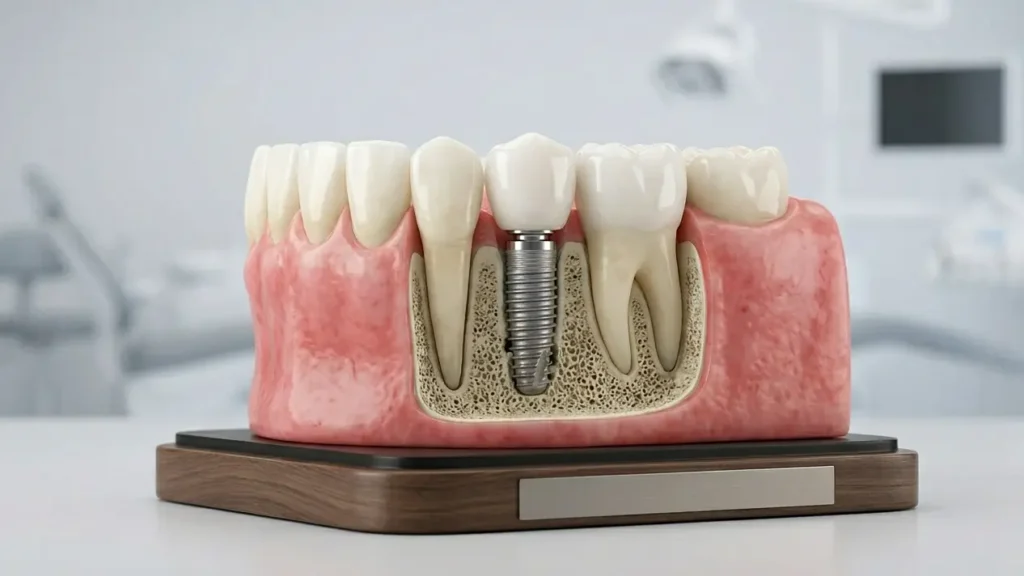
When comparing Zygomatic dental implants to traditional methods, several key benefits emerge for Dubai patients:
- No Bone Grafting Required: Traditional implants often require 6–12 months of bone grafting and healing before the implant can even be placed. Zygomatic implants skip this entire phase.
- Faster “Teeth-in-a-Day”: Because the cheekbone is so stable, many patients can receive a temporary fixed bridge on the same day as surgery.
- Higher Success Rates in Compromised Bone: For patients with thin jawbones, zygomatic implants offer much higher predictability than forcing a traditional implant into weak bone.
- Less Invasive Long-Term: While the surgery is more complex, avoiding multiple bone grafting surgeries reduces the total number of procedures a patient must undergo.
Read more about: Full guide about top dental implants by Dr. Nidhal in Dubai.
What is the Success Rate of Zygomatic Dental Implants?
Statistics and Zygomatic dental implants reviews consistently point to an exceptionally high success rate. Clinical studies generally report success rates between 96% and 98% over a ten-year period. Because the zygomatic bone does not resorb (shrink) the way the jawbone does, the foundation for these implants remains incredibly stable throughout the patient’s life.

Who is the Best Candidate for Zygomatic Dental Implants?
The ideal candidate for Zygomatic dental implants Dubai typically fits the following profile:
- Missing all or most of their upper teeth.
- Has been told they are not a candidate for traditional implants.
- In good general health (uncontrolled diabetes or heavy smoking can affect healing).
- Seeking a fixed, non-removable alternative to dentures.
Note!
While the term Zygomatic dental implants lower jaw is sometimes searched, it is a common misconception. Zygomatic implants are strictly for the upper jaw because that is where the cheekbones are located. For the lower jaw, different techniques like “All-on-4” or “All-on-6” with traditional implants are used.
Read also about: Single Tooth Implant Cost in Dubai: cost guide by Dr. Nidhal
Diagnosis and Tests Required Before the Procedure
Precision is everything when it comes to zygomatic placement. Before surgery, you will undergo:
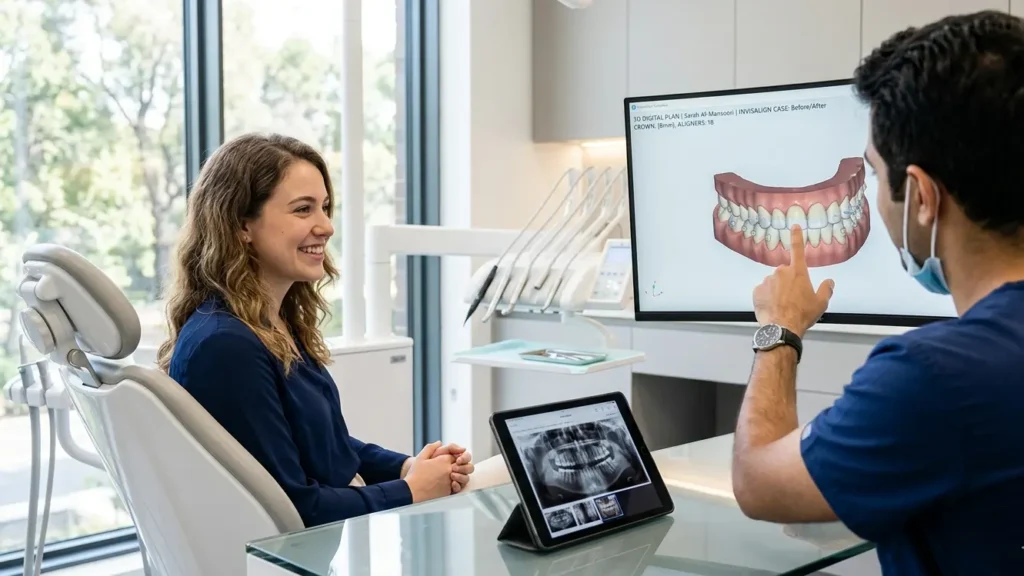
- 3D Cone Beam CT (CBCT) Scan: This allows the surgeon to see a three-dimensional model of your skull, sinuses, and cheekbones.
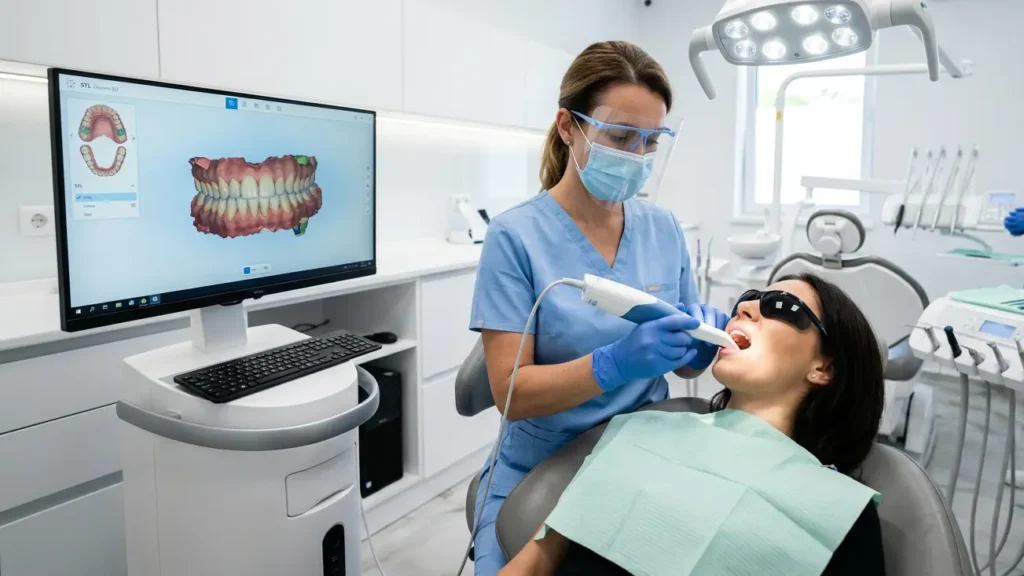
- Digital Impressions: To map out where your new teeth will sit in relation to your facial features.
- Virtual Surgical Planning: Many top clinics in Dubai use software to “dry run” the surgery digitally before the actual procedure.
- Blood Tests: To ensure your body’s clotting and healing mechanisms are functioning correctly.
Procedure of Zygomatic Dental Implants Step by Step
- Sedation/Anesthesia: Due to the complexity, the procedure is usually performed under general anesthesia or deep IV sedation.
- Incision and Exposure: The surgeon makes a precise incision to access the maxillary and zygomatic bones.
- Site Preparation: Using specialized long drills, the surgeon creates a path through the sinus (or alongside it) into the dense cheekbone.
- Implant Placement: The long zygomatic implants (ranging from 30mm to 55mm) are threaded into the bone.
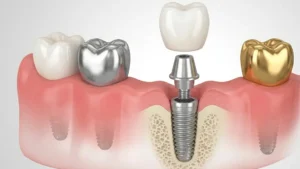
- Abutment Attachment: Connector pieces are attached to the implants.
- Immediate Loading: In many cases, a temporary bridge is fixed to the implants so you leave the clinic with a functional smile.
Recovery and After Care
Recovery from Zygomatic dental implants is faster than many expect.
- Days 1–3: Expect some swelling and bruising around the cheeks and under the eyes. This is normal.
- Diet: You will be on a soft-food diet for several weeks to allow the implants to integrate with the bone (osseointegration).
- Hygiene: Specialized mouthwashes and gentle cleaning techniques will be prescribed.
- Follow-ups: Regular checks are scheduled to ensure the gums are healing perfectly around the implant sites.
How Long Do Zygomatic Implants Last?
With proper care, zygomatic implants are designed to be a permanent, lifelong solution. Because they are anchored in the cortical bone of the zygoma, which is not subject to the same volume loss as the jawbone, they are incredibly durable. Regular dental checkups and excellent oral hygiene are the keys to ensuring they last for decades.
Complications of Zygomatic Dental Implants Procedure
As with any major surgical procedure, there are risks involved. Zygomatic dental implants complications may include:
- Sinusitis: Since the implants pass near or through the maxillary sinus, some patients may experience sinus inflammation.
- Nerve Paresthesia: Temporary numbness in the cheek or lip area.
- Local Infection: Though rare, infections can occur if post-operative care is not followed.
- Incomplete Integration: Very rarely, the bone may fail to bond with the implant.
Choosing an experienced surgeon in Dubai significantly minimizes these risks.

Can the Procedure Be Reversed?
Technically, implants can be removed, but zygomatic implants are intended to be permanent. Removal is a complex surgical process and is only performed in the rare event of a severe infection or total implant failure. It is not a procedure one should enter into with the thought of “trying it out.”
How Much Do Zygomatic Implants Cost?
When searching for Zygomatic dental implants cost, it is important to understand that this is a premium surgical procedure. In Dubai, the price generally ranges from AED 30,000 to AED 70,000 per arch, depending on the number of implants used and the complexity of the case.
While the upfront cost is higher than traditional implants, it often works out to be more cost-effective because it eliminates the need for expensive bone grafting and multiple surgeries over several years.
Factors Affecting the Cost of Zygomatic Dental Implants in Dubai
Several factors influence the final quote you receive:
- Number of Implants: A “Quad Zygoma” (4 implants) costs more than a combination of 2 zygomatic and 2 traditional implants.
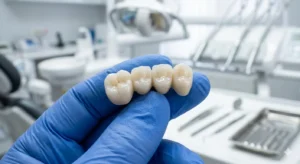
- Material of the Final Bridge: Zirconia bridges are more expensive but more durable and aesthetic than acrylic ones.
- Technology Used: Clinics using 3D guided surgery and digital planning may charge more for the added precision.
- The Surgeon’s Expertise: Specialist maxillofacial surgeons often have higher fees reflecting their specialized training.
Which Insurance Covers the Cost of Zygomatic Dental Implants in Dubai?
In the UAE, most dental insurance plans categorize implants as “cosmetic” or “major restorative,” often providing limited coverage. However, if the implants are required due to an accident or a medical condition (like a tumor resection), some premium health insurance plans may cover a portion of the surgical costs. Always check with your provider and ask the dental clinic for a detailed “Pre-Authorization” request.
Read more about: how to Transform your smile with our cosmetic dentistry services.
Choosing the Best Dentist for Zygomatic Dental Implants
This is not a procedure for a general dentist. It requires a specialist with extensive experience in oral and maxillofacial surgery. You want a provider who uses the latest diagnostic imaging and has a proven track record of successful cases.
If you are looking for world-class expertise combined with a patient-centered approach, Dr. Nidhal Sultan is a leading choice in the region. With a focus on complex restorative cases, his clinic offers the precision and care necessary for such a transformative procedure.
Ready to transform your smile?
Don’t let bone loss hold you back any longer. Contact Dr. Nidhal Sultan today to schedule a consultation and see if Zygomatic implants are the right choice for you.
FAQs about Zygomatic dental implants
Are zygomatic implants better than regular implants?
They are not necessarily “better,” but they are “different.” For someone with plenty of jawbone, regular implants are the standard. However, for someone with severe bone loss, zygomatic implants are far superior because they provide stability where regular implants would fail.
How painful are zygomatic implants?
The procedure itself is painless because it is performed under general anesthesia or heavy sedation. Post-operative discomfort is managed effectively with prescribed pain medication. Most patients report that the discomfort is similar to a standard tooth extraction, though swelling in the cheek area is more prominent.
What is the healthiest type of dental implant?
The “healthiest” implant is the one that successfully integrates with your bone without causing infection. Titanium remains the most biocompatible and widely studied material for both traditional and zygomatic implants.
What are the risks of zygomatic implants?
The primary risks include sinus infections (sinusitis), temporary nerve numbness, or the implant failing to integrate. However, in the hands of a skilled surgeon using 3D planning, these risks are very low.
Do zygomatic implants look natural?
Yes! The implants themselves are hidden under the gums and inside the bone. The teeth attached to them (the bridge) are custom-crafted to match your facial structure, lip line, and skin tone, making them virtually indistinguishable from natural teeth.
Final throughts on Zygomatic dental implants
Zygomatic dental implants have revolutionized the way we treat tooth loss in Dubai. They offer a beacon of hope for those who were previously told they could never have fixed teeth again. By leveraging the density of the cheekbone, these implants provide a stable, long-lasting, and aesthetic solution that can often be completed in a fraction of the time required for traditional bone grafting methods.
When considering such a specialized procedure, the importance of choosing the right specialist cannot be overstated. By visiting the Dr. Nidhal Sultan website, you can learn more about how advanced technology and surgical expertise come together to restore not just your teeth, but your confidence and quality of life.