A missing tooth is more than just a gap in your smile; it affects your confidence, your ability to speak clearly, and how you enjoy your favorite meals. In a city like Dubai, where a radiant smile is often considered your best first impression, finding the right restorative solution is essential.
The Zirconia bridge has emerged as the gold standard for those seeking a durable, aesthetic, and biocompatible way to replace missing teeth. Combining the strength of metal with the beauty of natural enamel, these bridges offer a life-changing solution for residents in the UAE.
In this comprehensive guide, we will explore everything you need to know about Zirconia bridge teeth, from the procedure and costs in Dubai to why this material is preferred over traditional options.
What is a Dental Bridge?
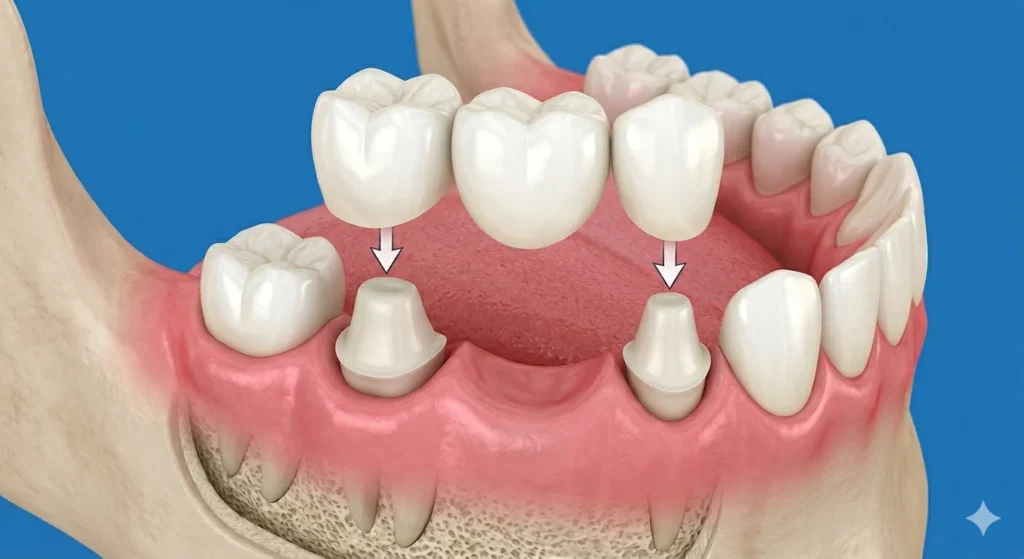
Before diving into materials, it is important to understand the concept of a dental bridge. Essentially, a bridge is a fixed dental prosthesis used to replace one or more missing teeth by joining an artificial tooth permanently to adjacent teeth or dental implants.
The bridge consists of:
- Abutments: The “anchor” teeth on either side of the gap. These are prepared to receive crowns.
- Pontic: The artificial tooth (or teeth) that fills the space where the original tooth was lost.
Bridges are vital not just for aesthetics, but to prevent remaining teeth from shifting out of position, which can lead to bite issues and jaw pain over time.
Types of Dental Bridges
Depending on your specific dental needs, your dentist may recommend one of the following:
- Traditional Bridges: The most common type, where crowns are placed on the teeth adjacent to the gap.
- Cantilever Bridges: Used when there is an adjacent tooth on only one side of the missing tooth gap.
- Maryland Bridges: A conservative option that uses a metal or porcelain framework bonded to the backs of adjacent teeth.
- Implant-Supported Bridges: These do not rely on natural teeth but are anchored by dental implants.
What is a Zirconia Bridge?
A Zirconia bridge is a high-tech restoration made from zirconium dioxide, a white crystalline oxide of the metal zirconium. In the dental world, it is often referred to as “ceramic steel” because of its incredible toughness and resistance to cracking.
Unlike older restorations that used a metal base coated in porcelain, a Zirconia bridge is often milled from a single block of solid zirconia using CAD/CAM (Computer-Aided Design and Manufacturing) technology. This ensures a precision fit that is virtually unmatched by hand-made models.
Why Choosing a Zirconia Bridge is the Right Move
When comparing a Zirconia bridge vs porcelain or traditional metal-fused options, Zirconia stands out for several key reasons:
- Superior Durability: Zirconia is significantly stronger than traditional porcelain. It can withstand the high pressure of chewing, making it ideal for back teeth.
- Natural Aesthetics: It has a translucent quality that mimics natural teeth. It reflects light in a way that prevents that “artificial” look often seen with other materials.
- Biocompatibility: The body does not reject Zirconia. It is metal-free, meaning no “black line” will appear at the gumline over time, and it is safe for those with metal allergies.
- Precision Fit: Using digital scans, the bridge is tailored to the exact dimensions of your mouth, reducing the need for lengthy chair-side adjustments.
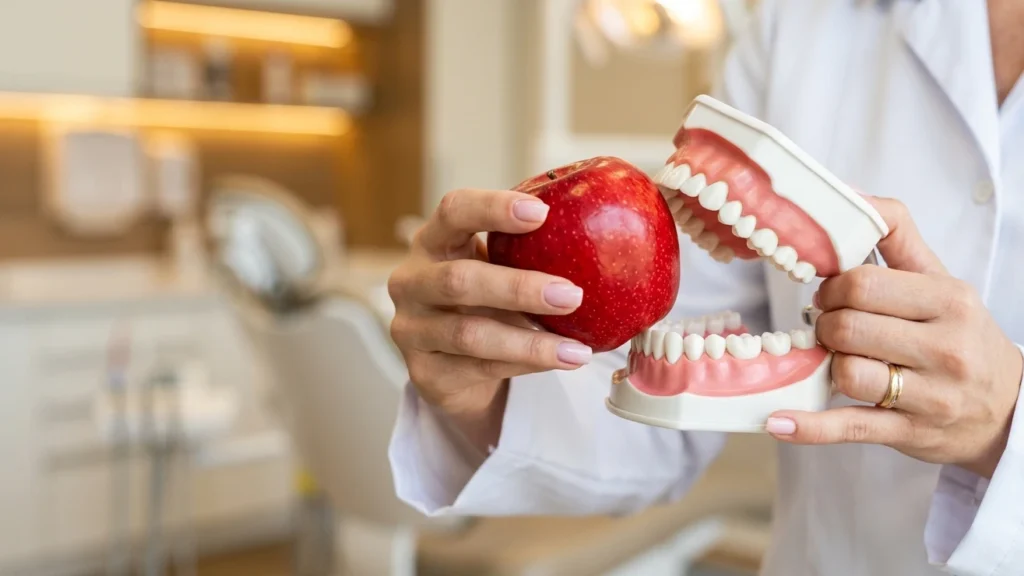
Zirconia Bridge Front Teeth: Aesthetics Meet Function
For many patients in Dubai, the primary concern is the appearance of their Zirconia bridge front teeth. Because the front of the mouth is the most visible “smile zone,” the restoration must look indistinguishable from natural teeth.
Zirconia can be layered with fine porcelain to provide the perfect shade match and texture. Whether you are speaking in a business meeting or posing for a photo, a zirconia restoration provides the confidence that your teeth look healthy and natural.
Zirconia Bridge vs PFM Bridge
Historically, the PFM (Porcelain-Fused-to-Metal) bridge was the industry standard. However, the Zirconia bridge vs PFM bridge debate has largely shifted in favor of Zirconia.
- PFM: Contains a metal core. Over time, as gums recede, a dark metallic line often becomes visible at the base of the tooth. PFM is also prone to “chipping” where the porcelain meets the metal.
- Zirconia: Offers a monolithic structure (one solid piece), eliminating the risk of layers separating. It maintains its color and integrity for much longer without any metallic interference.
Diagnosis and Tests Required Before the Procedure
Getting a Zirconia bridge requires a thorough initial assessment to ensure your oral health can support the restoration. Common diagnostic steps include:
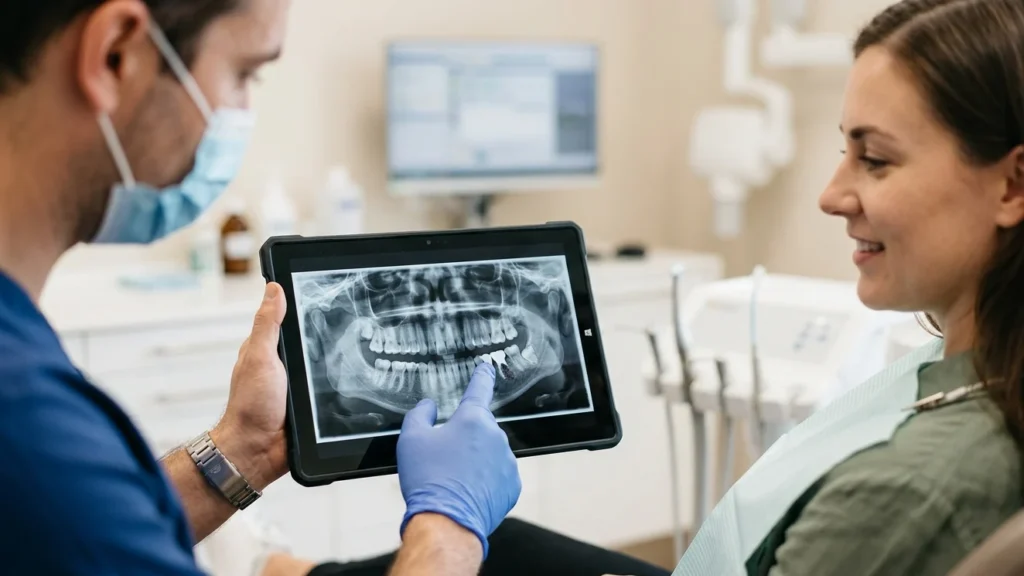
- Digital X-rays: To check the health of the roots of the anchor teeth and the density of the jawbone.
- 3D Intraoral Scanning: Instead of messy traditional molds, modern clinics use digital scanners to create a 3D map of your mouth.
- Bite Analysis: To ensure the bridge will not interfere with how your upper and lower teeth meet.
- Periodontal Check: Ensuring your gums are free of infection, as a healthy foundation is critical for the longevity of the bridge.
The Process of Getting a Zirconia Bridge Step-by-Step
The journey to a restored smile typically takes two to three visits.
- Preparation
Your dentist will numb the area and reshape the abutment (anchor) teeth. A small amount of enamel is removed to make room for the crowns that will hold the bridge in place. - Digital Impressions
A digital scan is taken of your prepared teeth. These files are sent to a specialized laboratory where your custom bridge is designed using CAD/CAM technology. - Temporary Bridge
While your permanent Zirconia bridge teeth are being fabricated, a temporary bridge is placed to protect your gums and teeth. - Fitting and Bonding
Once the Zirconia bridge is ready, you will return for the fitting. Your dentist will check the color, shape, and bite. Once perfected, it is permanently bonded using high-strength dental cement.
Recovery and Aftercare
Recovery is usually immediate, though you may feel slight sensitivity to hot or cold for a few days. To ensure your bridge lasts a lifetime, follow these tips:
- Avoid Sticky Foods: In the first 24 hours, avoid extremely sticky or hard foods.
- Specialized Flossing: Use a bridge needle or “super floss” to clean underneath the pontic (the artificial tooth) where food particles can trap.
- Regular Cleanings: Visit your dentist every six months to ensure the margins of the bridge remain sealed and healthy.
Zirconia Bridge Price in UAE
When considering the Zirconia bridge price UAE, you will find that it is usually falls between AED 4,500 and AED 9,000, but it is important to view it as a long-term investment in your health. Generally, prices in Dubai vary depending on the complexity of the case.
Factors Affecting the Price of Zirconia Bridge
- Number of Units: A 3-unit bridge (replacing one tooth) will cost less than a 5-unit bridge.
- Preparatory Work: If you require extractions or gum treatment beforehand, the total cost will increase.
- Technology Used: Clinics utilizing in-house CAD/CAM milling may have different pricing structures than those using external labs.
- Expertise of the Dentist: Highly specialized prosthodontists may charge a premium for their experience.
While searching for how much are zirconia bridge costs, you will find that Dubai offers competitive rates compared to Europe or the US, often with much faster turnaround times and higher-end luxury service.
Zirconia Bridge Before and After: What to Expect
The transformation seen in Zirconia bridge before and after cases is often dramatic. Patients move from having visible gaps or darkened, old metal restorations to having a full, bright, and symmetrical smile. Beyond the looks, patients often report an improved ability to chew and a significant reduction in speech impediments caused by missing teeth.
Potential Zirconia Bridge Problems
While rare, it is important to be aware of potential Zirconia bridge problems:
- Fracture of Layered Porcelain: If the zirconia is layered with porcelain for aesthetics, the outer layer can sometimes chip if you grind your teeth (bruxism).
- Decay Under the Bridge: If oral hygiene is neglected, the natural teeth under the crowns can still develop cavities.
- Fit Issues: If not designed precisely, a bridge can feel “high,” causing discomfort when biting.
Choosing an expert ensures these risks are minimized through precision engineering and proper patient education.
Read more about: how to Transform your smile with our cosmetic dentistry services.
Why Choose Dr. Nidhal Sultan for Your Zirconia Bridge?
In the heart of Dubai’s competitive dental landscape, Dr. Nidhal Sultan stands out as a leading authority in restorative and aesthetic dentistry. With a focus on precision and patient comfort, the clinic utilizes the latest digital dental technologies to ensure that every Zirconia bridge is a work of art.
Whether you are looking for a complex reconstruction or a simple replacement for a single tooth, the team provides a personalized approach. They understand the specific needs of the UAE community, valuing both time and excellence. By choosing this destination, you aren’t just getting a dental procedure; you are receiving a tailored plan designed to last a decade or more.
Unlock the smile you’ve always dreamed of!
Book your consultation with Dr. Nidhal Sultan and start your transformation today.
FAQs about Zirconia bridge
What is a zirconia bridge?
It is a fixed dental restoration used to replace missing teeth. It is made from zirconium dioxide, a ceramic material known for its extreme durability and natural, tooth-like appearance.
How long will a zirconia bridge last?
With proper care and regular dental checkups, a Zirconia bridge can last between 10 to 15 years, and in many cases, even longer.
Is zirconia fixed bridge good?
Yes, it is considered one of the best options available today. It is biocompatible, incredibly strong, and offers better aesthetic results than traditional metal-based bridges.
What are the disadvantages of zirconia bridges?
The main disadvantage is the cost, as they are more expensive than PFM bridges. Additionally, because the material is so hard, it can be difficult for a dentist to adjust once it has been permanently cemented.
Which is stronger, titanium or zirconia?
Titanium is generally considered to have higher fracture toughness, but Zirconia has a higher compressive strength. For dental bridges, Zirconia is often preferred because of its superior aesthetics and the fact that it does not conduct heat or cold like metal.
Can I bite an apple with a bridge?
Yes, once the bridge is fully bonded and the “settling” period is over, you can eat most foods, including apples. However, it is always wise to slice hard fruits rather than biting into them directly with your front teeth to avoid unnecessary stress on the restoration.
Which one is better, zirconia or emax?
It depends on the location. Emax is often preferred for single crowns on front teeth due to its high translucency. However, for bridges or back teeth where strength is the priority, Zirconia is almost always the better choice.
Conclusion about Zirconia bridge
A Zirconia bridge is more than just a dental fix; it is an investment in your quality of life. By choosing a material that offers unmatched strength and natural beauty, you ensure that your smile remains healthy for years to come. If you are struggling with missing teeth or an uncomfortable old bridge, now is the time to explore the modern alternatives available in the UAE.
Ready to transform your smile? We recommend visiting Dr. Nidhal Sultan website to book a consultation and see how a custom-designed bridge can restore your confidence.