Restorative dentistry has evolved significantly over the last few decades. Gone are the days when patients had to choose between the strength of metal and the beauty of porcelain. Today, a zirconia crown offers a “best of both worlds” scenario. Known for its incredible toughness and translucent properties that mimic natural tooth enamel, zirconia is revolutionizing how we approach long-term dental health in the UAE.
What is a Dental Crown?
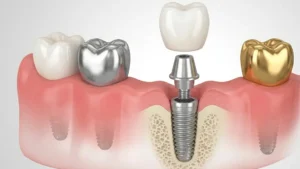
Before diving into specific materials, it is essential to understand what a dental crown actually is. Often referred to as a “cap,” a dental crown is a custom-made restoration that fits over the entire visible portion of a damaged tooth.
The primary purposes of a crown include:
- Protection: Strengthening a weak tooth to prevent it from breaking.
- Restoration: Repairing a tooth that is already broken or severely worn down.
- Support: Holding a dental bridge in place or covering a dental implant.
- Aesthetics: Improving the shape, alignment, or color of a tooth.
Types of Dental Crowns
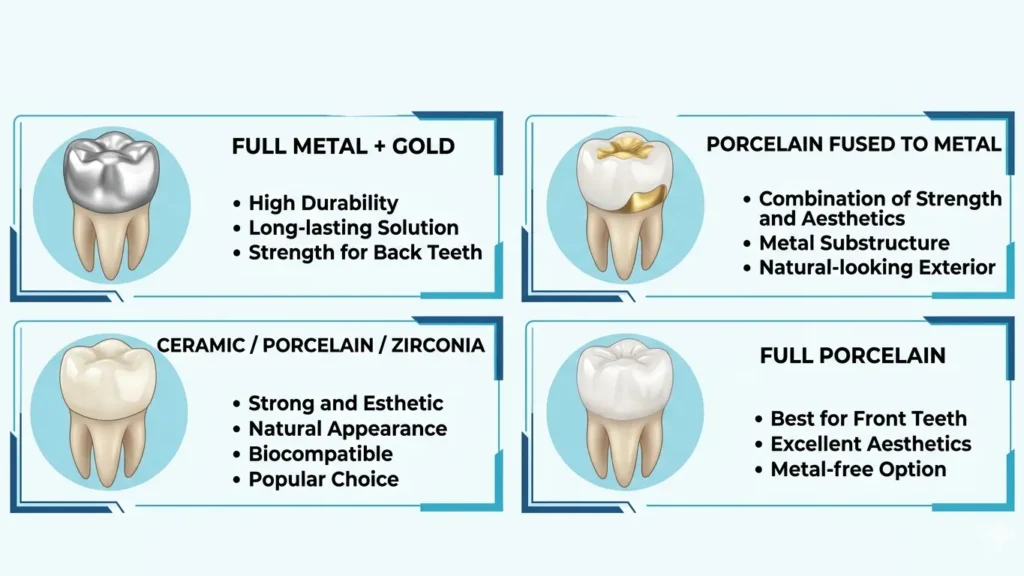
Dentists use a variety of materials depending on the patient’s needs, budget, and the location of the tooth being treated:
- Porcelain-Fused-to-Metal (PFM): Strong and durable, but can sometimes show a dark metal line at the gum margin.
- All-Ceramic or All-Porcelain: Excellent for aesthetics but may be more prone to chipping than metal-based options.
- Gold Alloys/Base Metal Alloys: Extremely durable and require less tooth structure removal, but lack the natural appearance of teeth.
- Zirconia: The modern powerhouse, offering unmatched strength and a life-like appearance.
What is a Zirconia Crown?
A zirconia crown is made from zirconium dioxide, a type of ceramic material known as a metal oxide. It is chemically related to titanium but possesses the white, opaque characteristics of ceramic. In the dental world, it is often nicknamed “ceramic steel” because of its extraordinary resistance to cracking and wear.
Because zirconia is biocompatible, the body does not reject it, and it does not cause the allergic reactions sometimes associated with metal alloys. This makes it a premier choice for patients in Dubai looking for high-end, long-lasting dental solutions.
What and Why Zirconia Crown is Made Of
The magic of zirconia lies in its molecular structure. It is a crystalline material that undergoes “transformation toughening.” This means if a tiny crack starts to form, the material actually expands at that point to “pinch” the crack shut.
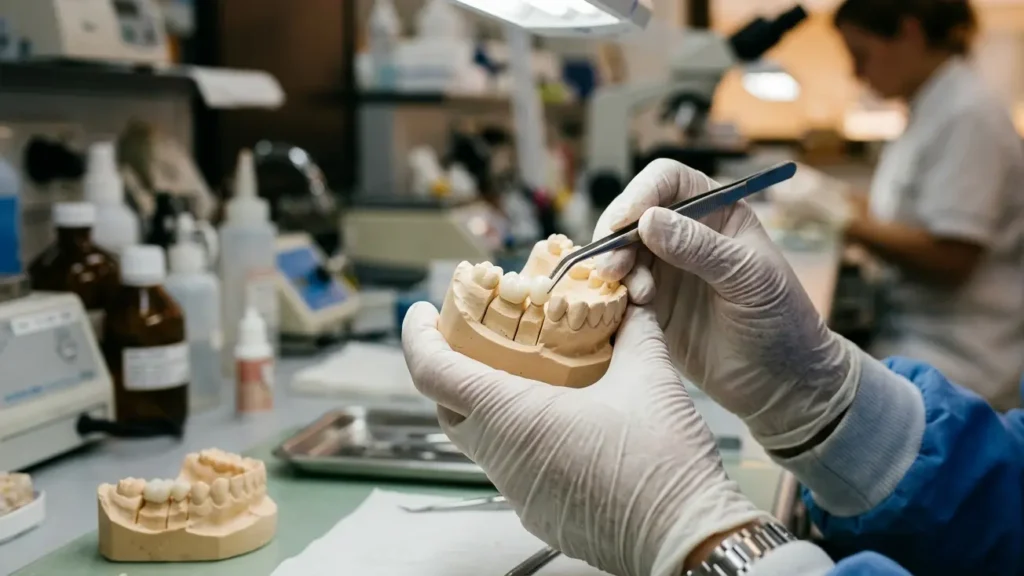
Zirconia crowns are typically milled from a single block of zirconia using CAD/CAM (Computer-Aided Design and Computer-Aided Manufacturing) technology. This ensures a precise fit that is far superior to traditional handmade molds. The material is chosen because:
- It is incredibly dense.
- It can withstand the high pressure of chewing (especially in the back molars).
- It can be shaded to match the exact hue of your surrounding teeth.
What are the Benefits of Getting a Zirconia Crown?
Choosing a zirconia crown offers a multitude of advantages for patients:
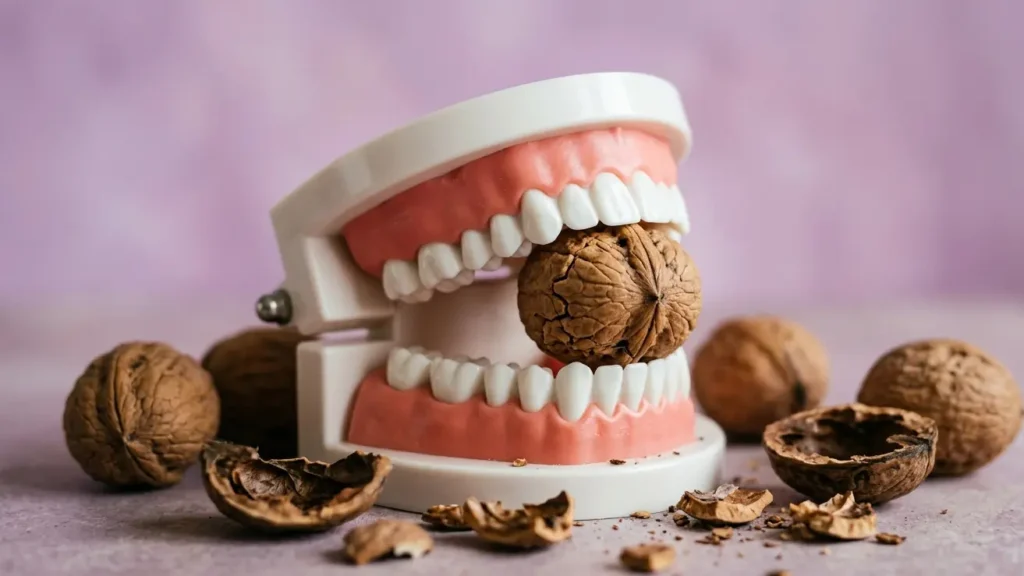
- Extreme Durability: Zirconia is much stronger than traditional porcelain. It is nearly impossible to break.
- Natural Aesthetics: While earlier versions were quite opaque, modern translucent zirconia reflects light in a way that is virtually indistinguishable from natural enamel.
- Biocompatibility: There is no risk of metal allergies or the “black line” effect at the gums.
- Preservation of Tooth Structure: Because the material is so strong, a thinner layer of zirconia can be used, meaning the dentist needs to remove less of your natural tooth during the zirconia crown preparation.
- Stain Resistance: Zirconia is more resistant to staining than composite resin or porcelain.
Zirconia Crowns vs Porcelain Crowns: Which is Better?
When comparing zirconia crowns vs porcelain, the choice often depends on the location of the tooth.
|
Feature
|
Zirconia
|
Traditional Porcelain
|
|---|---|---|
While porcelain is beautiful, it is brittle. Zirconia provides the structural integrity needed for back teeth while maintaining a high level of aesthetic appeal.
Conditions in Which Zirconia Crowns are Preferred
Your dentist might recommend a zirconia crown in the following scenarios:
- Bruxism (Teeth Grinding): Patients who grind their teeth need a material that won’t chip or crack under pressure.
- Back Teeth Restorations: The molars endure the heaviest chewing forces.
- Metal Sensitivities: For patients who prefer a holistic or metal-free approach.
- Covering Discolored Teeth: Solid zirconia is excellent at masking dark or discolored natural tooth stumps.
Zirconia Crowns in Pediatric Dentistry
While we often think of crowns for adults, zirconia crowns in pediatric dentistry are becoming increasingly popular. When a child has a large cavity in a primary (baby) tooth, a zirconia crown for primary teeth offers a more aesthetic alternative to the traditional stainless steel “silver” crowns. They are durable enough to last until the permanent tooth erupts and help maintain the child’s confidence.
Combination of Zirconia with Other Material
For the ultimate aesthetic result, especially on front teeth, dentists sometimes use a “layered” approach. This involves a core made of zirconia for strength, with a layer of fine porcelain baked onto the outside for enhanced light reflection and color depth. This combines the “steel-like” strength of the zirconia crown with the unmatched beauty of porcelain.
Zirconia Crown Procedure Step-by-Step
The process of getting a zirconia crown is streamlined and efficient, typically involving the following steps:
- Consultation & X-rays: The dentist examines the tooth and ensures the roots are healthy.
- Zirconia Crown Preparation: The dentist numbs the area and reshapes the tooth to make room for the crown.
- Digital Impressions: Instead of messy putty, a digital scanner is often used to create a 3D map of your mouth.
- Temporary Crown: A temporary cap is placed to protect the tooth while the lab mills your custom restoration.
- Zirconia Crown Cementation: Once the final crown is ready, the dentist checks the fit and color before using a high-strength bonding agent for the final zirconia crown cementation.
Recovery Time and Aftercare
There is virtually no downtime after getting a zirconia crown. You might feel slight sensitivity to hot and cold for a few days, but this quickly subsides. To ensure longevity, follow these tips:
- Brush twice daily and floss around the crown carefully.
- Avoid biting down on hard objects like ice or hard candy.
- Visit your dentist for regular check-ups.
- If you grind your teeth at night, ask about a custom nightguard.
Zirconia Crowns Problems: What to Watch For
While rare, zirconia crowns problems can include:
- Difficulty in Adjustment: Because the material is so hard, adjusting the “bite” after cementation takes precision.
- Opposing Tooth Wear: If the crown isn’t polished perfectly, its hardness can cause wear on the natural teeth it hits when you chew.
- Secondary Decay: While the crown won’t rot, the natural tooth underneath still can if oral hygiene is poor.
Read also about: Uncover Signs of Gum Disease Now with Dr. Nidhal in Dubai.
How Long Will a Zirconia Crown Last?
With proper care, a zirconia crown can last between 10 to 15 years, and often much longer. Their resistance to chemical corrosion and physical wear makes them one of the most durable investments you can make for your oral health.

How Much Does a Zirconia Crown Cost in the UAE?
When discussing the zirconia crown price, it is important to view it as a long-term investment. In Dubai, prices can range significantly. On average, you can expect to pay anywhere from AED 2,000 to AED 5,000 per tooth.
Factors Affecting the Cost
The price is influenced by:
- The expertise of the dentist.
- The technology used (e.g., in-house CAD/CAM milling).
- The complexity of the individual case.
- Whether it is a monolithic (solid) or layered zirconia crown.
Read more about: how to transform your smile with our cosmetic dentistry services.
Choosing the Best Dentist for Your Zirconia Crown in Dubai
Dubai is home to many dental clinics, but when it comes to precision restorative work, experience matters. You need a clinician who understands the nuances of zirconia crown preparation and the latest bonding techniques.
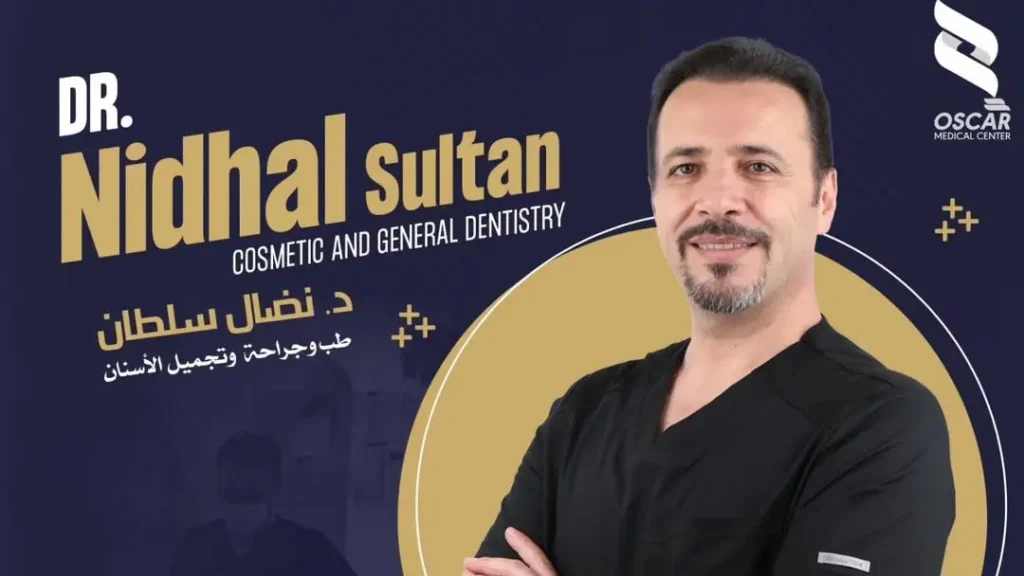
For those seeking world-class care, visiting Dr. Nidhal Sultan’s website is the first step toward a perfect restoration. Dr. Nidhal Sultan and the team specialize in advanced cosmetic and restorative procedures, ensuring that every zirconia crown is tailored to the patient’s facial symmetry and functional needs.
If you are ready to restore your smile with the strength and beauty of zirconia, contact Dr. Nidhal Sultan today to schedule your consultation.
FAQs about Zirconia crown
What are the disadvantages of zirconia crowns?
The main disadvantages include the hardness of the material, which can wear down opposing natural teeth if not polished correctly. Additionally, solid zirconia can sometimes be less translucent than pure porcelain, though “high-translucent” versions have largely solved this issue.
Do teeth rot under zirconia crowns?
The zirconia crown itself cannot decay. However, the natural tooth structure underneath is still susceptible to cavities if plaque is allowed to build up at the gum line. Maintaining excellent oral hygiene is essential to prevent “rot” or decay under any crown.
Which is better, zirconia or ceramic crown?
It depends on the location. Zirconia is generally “better” for back teeth because it is significantly stronger. All-ceramic or porcelain crowns are often “better” for the very front teeth because they offer slightly superior translucency and aesthetic detail.
Are zirconia teeth cheaper than implants?
A zirconia crown is generally cheaper than a full dental implant. However, these serve different purposes. A crown repairs a damaged tooth, while an implant replaces a completely missing tooth. If your tooth can be saved, a crown is the more cost-effective and less invasive option.
Which is the cheapest dental crown?
Typically, the cheapest dental crown is one made of base metal alloys or resin. However, these are often less durable and less aesthetic. In terms of value for money, a zirconia crown is often the most “economical” over time because it rarely needs replacement.
Conclusion about Zirconia crown
A zirconia crown represents the pinnacle of modern restorative dentistry, offering a unique blend of indestructible strength and natural beauty. For residents in Dubai dealing with dental issues, this material provides a reliable, biocompatible, and long-lasting solution. By understanding the process from the initial zirconia crown preparation to the final zirconia crown cementation, you can make an informed decision about your oral health.
Don’t settle for less when it comes to your smile. Ensure you receive the highest quality materials and expert placement. For more information or to book an appointment, reach out to Dr. Nidhal Sultan and take the first step toward a healthier, more confident you.