Nearest Dental Clinic: Find Nearest Elite Dental Care
Finding the nearest dental clinic during acute oral pain or when planning an elective smile transformation requires careful clinical evaluation. Proximity matters...
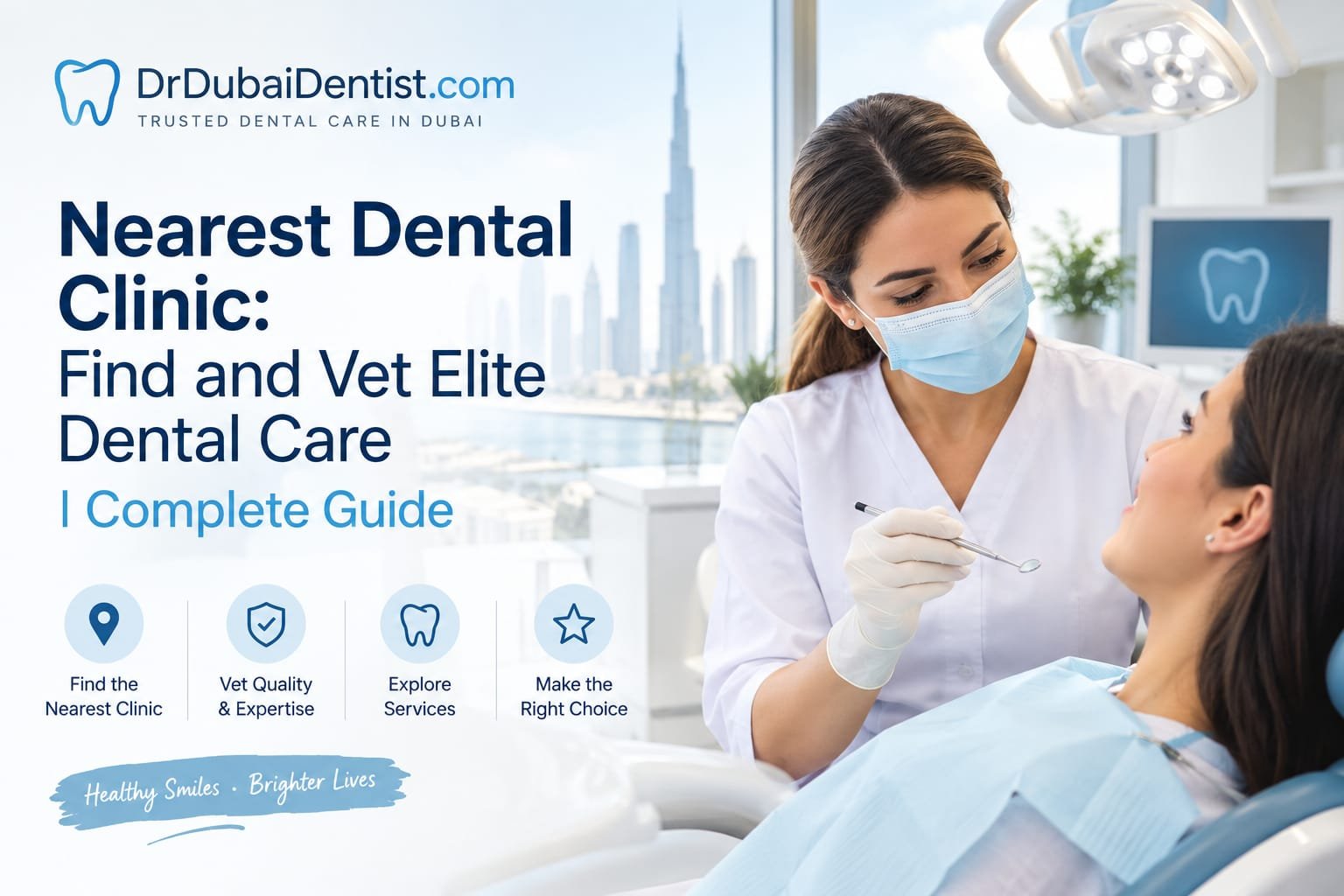
Finding the nearest dental clinic during acute oral pain or when planning an elective smile transformation requires careful clinical evaluation. Proximity matters during emergencies, but long-term success relies on specialist credentials, 3D diagnostics, and strict sterilization. Learn how to triage dental emergencies, evaluate nearby practices, and select certified experts for safe, long-lasting clinical outcomes.
Finding the Nearest Dental Clinic: Why Proximity Is Only the First Step
When sudden toothache strikes, opening a navigation app to locate the nearest dental clinic is a natural first reaction. Convenience matters when pain is severe.
However, selecting a dental provider purely by geographic distance can lead to compromised care. Not every facility possesses the specialized equipment or board-certified clinicians needed for complex cases.
A comprehensive dental home balances physical accessibility with rigorous clinical excellence, modern diagnostic technology, and transparent patient communication.
When Does Distance Matter Most in Dental Care?
Physical proximity is the top priority during acute dental emergencies where minutes dictate whether a tooth can be saved.
- Traumatic Avulsion: Completely knocked-out permanent teeth must be reimplanted within 30 to 60 minutes for optimal periodontal ligament reattachment.
- Uncontrolled Hemorrhage: Severe oral bleeding following trauma or surgical complications requires immediate local intervention.
- Rapid Facial Swelling: Spreading bacterial infections that threaten airway compromise demand urgent clinical triage.
How to Vet a Nearby Practice for Safety and Quality
Evaluating an unfamiliar clinic quickly requires checking specific operational indicators before you sit in the dental chair.
Look for verified patient reviews on independent healthcare platforms, clear licensing documentation, and real photographic documentation of clinical outcomes rather than stock photography.
You can review verified patient transformations in our dental treatment before and after gallery to evaluate genuine aesthetic and restorative standards.
Immediate Emergency Triage: What to Do Before You Arrive at the Clinic
Dental emergencies generate significant distress. Taking correct first-aid actions before reaching the nearest dental clinic directly influences long-term treatment success.
Clinical guidelines established by the American Dental Association stress that immediate stabilization prevents permanent structural tooth loss and systemic infection spread.
| Emergency Condition | Immediate First-Aid Action | What to Avoid | Urgency Level |
| Knocked-Out (Avulsed) Tooth | Handle by crown only; rinse gently with saline; store in cold milk or saliva. | Do not scrub root tissue; do not let the tooth dry out. | Immediate (Within 30–60 mins) |
| Severe Throbbing Pulpitis | Rinse with warm water; apply cold compress externally; take prescribed analgesics. | Do not place aspirin directly against gum tissue (causes chemical burns). | Urgent (Same-day appointment) |
| Fractured Porcelain Veneer or Crown | Retrieve broken fragments; cover sharp edges with orthodontic wax. | Do not use commercial superglue to reattach restorations. | Moderate (Within 24–48 hours) |
| Acute Facial / Submandibular Swelling | Maintain upright posture; apply cool compress; seek immediate emergency dental care. | Do not apply heat packs (increases inflammation and infection spread). | Immediate (Emergency triage) |
Preparing for Your Arrival During an Emergency
Contact the clinic by phone while en route so the clinical team can prepare the surgical suite and necessary diagnostic tools in advance.
Provide the front desk with clear details: the exact mechanism of injury, current pain scale (1-10), presence of active bleeding, and any medical allergies.
If you experience acute dental trauma, explore our guide on same day immediate dental implants UAE for advanced tooth replacement options.
The 5-Pillar Checklist for Vetting a Nearby Dental Practice
Whether you require emergency relief or planned smile rejuvenation, use this structured framework to assess any clinic you consider visiting.
1. Verified Specialist Credentials
Confirm that the practitioners hold formal postgraduate certifications and active licenses from recognized regulatory healthcare authorities.
The American Dental Association emphasizes verifying whether your dentist engages in regular continuing education to master modern clinical techniques.
2. Advanced Digital Diagnostic Technology
A premier clinic avoids guesswork by utilizing state-of-the-art diagnostic imaging. Standard 2D X-rays are insufficient for complex procedures.
- Low-Dose 3D CBCT: Essential for evaluating bone density, nerve pathways, and sinus anatomy before implant placement.
- High-Precision Intraoral Scanners: Eliminates uncomfortable traditional impression trays while delivering micron-level accuracy for restorations.
- Digital Smile Design Software: Allows patients to preview aesthetic outcomes before preparing tooth enamel.
3. Hospital-Grade Sterilization Protocols
Patient safety requires rigorous infection control systems. Observe whether treatment suites utilize autoclaved, sealed instrument pouches opened exclusively in your presence.
Clinics must implement multi-stage sterilization tracking, air purification filtration, and medical-grade surface disinfectants between appointments.
4. Transparent Treatment Plans and Fee Structures
Reputable practices provide clear, itemized diagnostic estimates prior to beginning any clinical procedure. There should be zero hidden fees.
For extensive rehabilitations, such as custom porcelain emax veneers, detailed treatment plans outline every clinical milestone, material specification, and laboratory warranty.
5. Comprehensive Dental Anxiety Management
Fear of dental procedures prevents millions from seeking timely intervention. A top-tier facility creates a calming, supportive clinical setting.
Look for practices offering gentle injection techniques, conscious oral sedation, nitrous oxide, and empathetic staff dedicated to patient comfort.
Read our specialized guide on overcoming dental fear and anxiety to learn how modern sedation dentistry ensures pain-free care.
General Dentist vs. Specialist: When to Choose Clinical Expertise Over Proximity
General dentists manage preventive cleanings, minor direct restorations, and routine oral assessments exceptionally well.
However, multi-disciplinary treatments—such as full-arch reconstructions, complex bone grafting, and aesthetic smile designs—demand focused specialist expertise.
| Treatment Type | General Dental Practitioner | Board-Certified Specialist | Distance Consideration |
| Routine Cleaning & Check-up | Ideal for bi-annual maintenance and early plaque detection. | Reserved for advanced periodontal disease management. | Prioritize closest local clinic |
| Single or Multiple Dental Implants | May perform simple standard cases depending on post-grad training. | Implantologist / Oral Surgeon with 3D surgical planning mastery. | Prioritize specialist skill over distance |
| Full Mouth Smile Makeover | Basic direct resin bonding and standard crown placement. | Cosmetic Prosthodontist trained in micro-thin ceramic veneers. | Travel to reputable cosmetic center |
| Surgical Bone Augmentation | Usually refers patient out to specialist surgical clinics. | Maxillofacial Surgeon or Periodontist experienced in sinus lifts. | Prioritize advanced surgical hospital |
Navigating Complex Procedures and Travel Distance
Aesthetic and implant procedures are irreversible medical investments in your appearance, oral health, and chewing function.
Traveling an extra 20 to 30 minutes to consult an experienced specialist reduces revision risks, aesthetic mismatches, and surgical failure rates.
If you are exploring permanent tooth restoration, review our detailed guide on advanced dental implants in Dubai for modern surgical standards.
Digital Dentistry Standards: What Modern Clinics Must Provide
Dental technology has advanced rapidly. Clinical protocols integrate fully digital workflows that maximize treatment accuracy and patient comfort, as highlighted by contemporary Centers for Disease Control and Prevention oral health infection and safety benchmarks.
Practices that continue using outdated techniques risk delivering poorly fitting restorations and extended recovery timelines for patients.
Digital Diagnostics and Minimally Invasive Protocols
Modern clinics rely on 3D computer-guided implant surgery, which utilizes digital planning to insert implants through pinhole incisions without extensive flap surgery.
When replacing a single missing tooth, discovering a practice that provides a single tooth implant with 3D CBCT assessment ensures precise biological integration with surrounding bone.
Biocompatible Materials and Metal-Free Restorations
Contemporary clinical protocols favor metal-free, highly biocompatible materials such as monolithic zirconia and lithium disilicate (E-max).
These advanced ceramics mimic natural tooth translucency and light refraction while resisting chipping, wear, and gingival discoloration over decades of use.
Essential Questions to Ask During Your Initial Consultation
When visiting a new practice for your initial consultation, take an active role in your treatment planning by asking targeted questions.
- What specific diagnostic imaging is included in today’s comprehensive evaluation?
- How many similar clinical procedures have you completed over the past five years?
- Can I review before-and-after photographs of comparable cases treated directly by this doctor?
- What biocompatible materials and laboratory brands do you use for permanent crowns and veneers?
- What are the exact emergency contact procedures if I experience discomfort after hours?
For more detailed insights on clinical restorative procedures, explore our comprehensive guide to dental implant procedures and recovery.
Frequently Asked Questions About Nearest Dental Clinic
How quickly should I be seen at the nearest dental clinic for a dental emergency?
Acute dental trauma, such as an avulsed tooth or severe hemorrhage, requires immediate clinical attention within 30 to 60 minutes. Severe infections and throbbing toothaches should receive same-day evaluation. You can consult NHS dental guidance on standard emergency response protocols.
What technology should a modern nearest dental clinic have?
A reputable modern dental practice should feature low-radiation 3D CBCT digital imaging, high-speed intraoral optical scanners, computer-guided surgical planning software, and rotary endodontic systems. These diagnostic technologies eliminate guesswork, ensure micron-level restorative precision, and significantly minimize patient discomfort throughout all surgical and cosmetic appointments.
How do I verify a dental specialist’s credentials before booking?
Verify that the dentist holds active licensing with local health authorities and possesses verified master’s degrees or board certifications in their specialty. Look for memberships in recognized international bodies, such as the International Congress of Oral Implantologists or national dental associations, ensuring adherence to ongoing clinical excellence.
Can I walk into a clinic without an appointment?
Most dental clinics accommodate walk-in patients during acute pain or trauma emergencies, though brief wait times may occur while clinical teams sterilize treatment suites. For non-urgent cosmetic or routine consultations, booking in advance ensures the clinician allocates dedicated time for thorough diagnostic evaluation and personalized treatment discussion.
How do I deal with severe dental anxiety when visiting a new clinic?
Inform the reception and clinical staff about your dental anxiety before your appointment begins. Modern practices offer customized comfort protocols, including noise-canceling headphones, topical numbing gels, nitrous oxide sedation, and calm stop-signal communication, allowing you to pause treatment whenever you feel overwhelmed.
Resources and Further Reading
- American Dental Association (ADA) MouthHealthy: Comprehensive recommendations on finding a dental home, verifying doctor registrations, and maintaining preventive oral care.
- CDC Oral Health Guidelines: Public health recommendations on clinical infection control standards, prevention, and oral disease management.
- NHS UK Dental Services Directory: Official guidance on accessing emergency dental appointments, routine check-ups, and clinical safety standards.
Grounding Sources
- [1] American Dental Association
- [2] Centers for Disease Control and Prevention oral health
- [3] NHS dental guidance
Conclusion
Selecting the nearest dental clinic requires balancing physical proximity with diagnostic sophistication, specialist qualifications, and patient safety protocols. While emergency trauma requires immediate access to the closest dental chair, complex smile design and dental implant rehabilitation warrant seeking certified specialists with proven clinical results. By prioritizing verified credentials and modern technology, you ensure your smile receives the highest tier of medical care.
Ready to Take the Next Step?
Whether you require urgent attention for dental discomfort or wish to transform your smile with bespoke porcelain veneers and permanent dental implants, our team provides world-class clinical excellence in a calm, welcoming environment. Schedule your comprehensive consultation today with our specialist team by visiting our contact page to book an appointment with Dr. Nidhal Sultan and experience precision digital dentistry tailored to your needs and find the nearest dental clinic.