A smile is often the first thing people notice about you. In a vibrant, cosmopolitan city like Dubai, where confidence and appearance go hand-in-hand with professional and social success, having a damaged or missing tooth can feel like a significant burden. If you have been hiding your smile due to decay, cracks, or discoloration, you are likely searching for a solution that offers both durability and aesthetics.
The transformation seen in a tooth crown before and after gallery is often nothing short of life-changing. Dental crowns are not just about “fixing a tooth”; they are about restoring the harmony of your face and the functionality of your bite. Whether you are considering a single front tooth crown before and after to fix a visible chip, or you need more extensive work, understanding the process is the first step toward your new smile.
In this comprehensive guide, we will explore everything you need to know about dental crowns, from the different types available in the UAE to the step-by-step process of getting one, and why Dr. Nidhal Sultan is the trusted name for this procedure in Dubai.
Overview: The Power of Restorative Dentistry
Dental restorations have evolved significantly over the last decade. Gone are the days when a “cap” looked like a bulky, opaque block of porcelain. Today’s teeth crown options are designed to mimic the translucency, texture, and light-reflecting properties of natural enamel.
When patients look at tooth crown before and after photos, they aren’t just looking for a white tooth; they are looking for a seamless integration with their existing smile. This article serves as your roadmap to achieving those results, ensuring you make an informed decision about your oral health and investment.
What is a Tooth Crown?
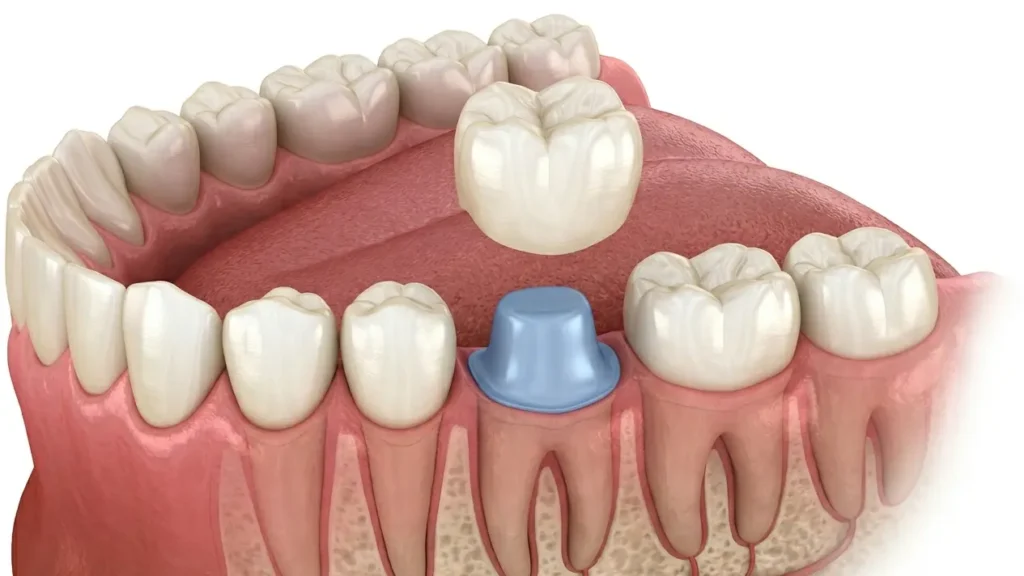
A dental crown is a custom-made, permanent restoration that fits over a damaged or decayed tooth like a “cap.” Unlike a filling, which replaces only a portion of the tooth, a crown covers the entire visible part of the tooth above the gum line.
Its primary purpose is to:
- Protect a weakened tooth from breaking.
- Restore the shape and size of a tooth.
- Improve the overall appearance of your smile.
For those looking at molar crown before and after results, the focus is often on strength and chewing power. Conversely, for a front tooth crown before and after, the priority is high-end aesthetics.
Why Would You Need a Tooth Crown?
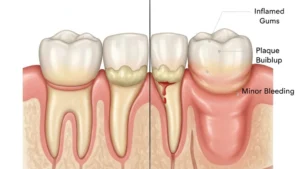
There are several clinical and cosmetic reasons why your dentist might recommend a crown. While some patients worry about the disadvantages of dental crowns (such as the removal of some natural tooth structure), the benefits of saving a natural tooth usually far outweigh the risks.
- Severe Decay: When a cavity is too large for a standard filling, a crown provides the necessary structural support.
- Root Canal Protection: After a root canal, the tooth becomes brittle. A crown protects it from fracturing.
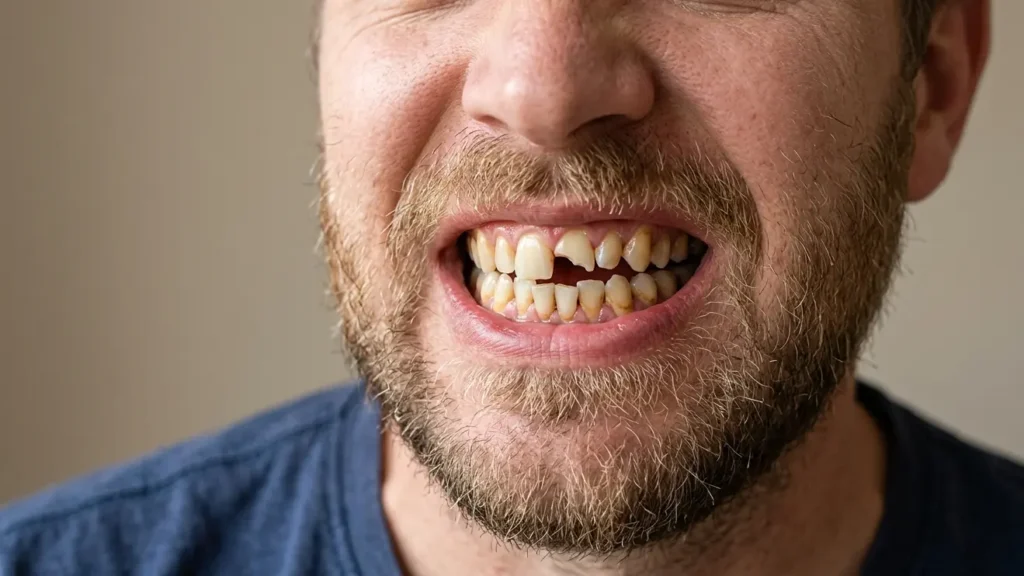
- Cracked or Broken Teeth: For teeth with “cracked tooth syndrome,” a crown holds the tooth together.
- Aesthetic Enhancement: If you have severe discoloration that whitening cannot fix, or misshapen teeth, crowns offer a permanent “Hollywood” look.
- Large Fillings: If an old filling is failing and there isn’t much tooth left, a crown is the next step.
Types of Dental Crowns and Benefits of Each Type
Choosing the right material is crucial for the longevity of your restoration. The types of dental crowns and cost vary based on the material’s durability and aesthetic properties.
- Zirconia Crowns: Known for their incredible strength, these are ideal for back teeth (molars). They are nearly indestructible and biocompatible.
- E-Max (Lithium Disilicate): These are the gold standard for front teeth crowns. They offer the best translucency and look identical to natural teeth.
- Porcelain Fused to Metal (PFM): A traditional choice that combines strength with a porcelain exterior. However, they can sometimes show a dark line at the gum line over time.
- Gold Crowns: Though less common for front teeth, they are highly durable and very gentle on the opposing teeth.
Tooth Crowns vs. Veneers: Which is Right for You?
Many patients in Dubai ask whether they should get a crown or a veneer.
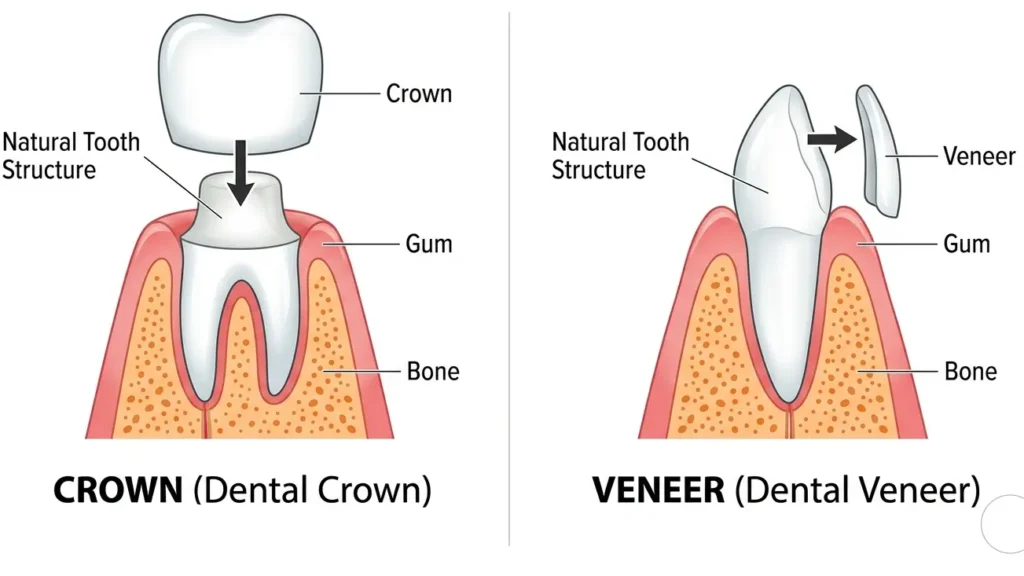
- Veneers: These are thin shells that cover only the front surface of the tooth. They are primarily cosmetic and require less tooth reduction.
- Crowns: These cover the entire tooth. They are used when the tooth has structural damage or needs significant reinforcement.
If you are looking at four front teeth crowns before and after images, you might notice that crowns provide a more “complete” transformation if the teeth were previously heavily filled or decayed.
Who is the Best Candidate for a Tooth Crown?
You might be an ideal candidate for a dental crown if:
- You have a tooth that is cracked or worn down.
- You have a large cavity that cannot be supported by a filling.
- You want to cover a dental implant.
- You are looking for a long-term solution for a misshapen or discolored tooth.
During your consultation at the Dr. Nidhal Sultan website, a thorough digital scan and examination will determine if your tooth structure is healthy enough to support a crown.
Tooth Crown Process: Step-by-Step
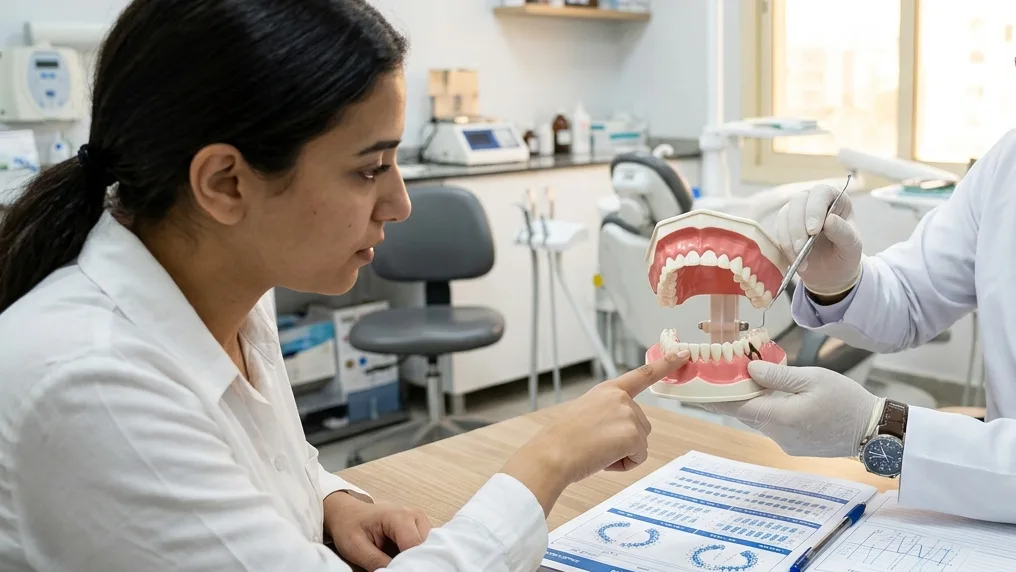
Understanding the crown steps can help alleviate any anxiety regarding the procedure. Generally, the process requires two visits.
- Examination and Preparation
The dentist numbs the area and reshapes the tooth. This involves removing a small amount of enamel to make room for the crown. - Digital or Manual Impression
A mold of your tooth is taken. In modern Dubai clinics, this is often done using an intraoral scanner (digital impression), which is much more comfortable than traditional putty. - Temporary Crown Placement
Since the permanent crown takes time to manufacture, a temporary crown is placed to protect your tooth. - Fabrication
The impressions are sent to a laboratory. The crown time residence (the time it stays in the lab) is usually about 1 to 2 weeks, ensuring the fit and color match are perfect. - Final Fitting
Once the permanent crown arrives, the dentist checks the fit, bite, and color before permanently cementing it into place.
Recovery and Aftercare: Maintaining Your Investment
The recovery after a teeth crown procedure is usually minimal. You might feel some sensitivity to hot and cold for a few days, but this quickly subsides.
To ensure your crown lasts:
- Brush twice a day and floss specifically around the crown margin.
- Avoid biting down on extremely hard objects (like ice or hard candy).
- Wear a nightguard if you suffer from bruxism (teeth grinding).
- Attend regular dental check-ups to monitor the seal of the crown.
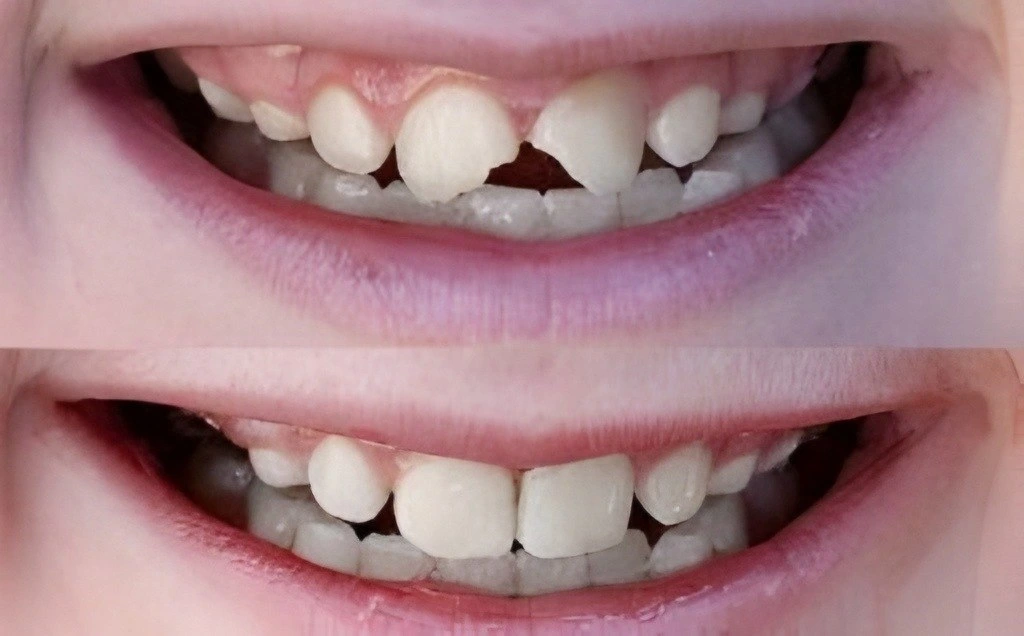
What Do Tooth Crowns Look Like Before and After?
The visual change is the most rewarding part of the process.
- Front tooth crown before and after: Patients often move from having a dark, greyish, or chipped tooth to a bright, symmetrical, and natural-looking smile.
- Full mouth crowns before and after: This is a comprehensive reconstruction. Before, the patient may have had collapsed bite height and worn-down teeth; after, they have a rejuvenated facial structure and a “youthful” smile.
- Bottom teeth crowns before and after: Often overlooked, crowning the bottom teeth can correct alignment issues and improve the overall harmony of the bite.
How Long Will a Dental Crown Last?
A high-quality crown typically lasts between 10 to 15 years, though many last much longer with excellent oral hygiene. Factors like the material used (Zirconia tends to last longer than PFM) and your personal habits play a huge role in longevity.
Cost of Tooth Crowns in Dubai
The tooth crown cost in Dubai can vary significantly based on the clinic’s location, the expertise of the dentist, and the materials used.
- Front teeth crowns price: Because these require the highest level of artistic skill and premium materials like E-Max, they may be priced higher than back crowns.
- Average Range: Generally, a high-quality crown in Dubai can range from AED 2,500 to AED 5,000 per tooth.
Factors Affecting the Cost of Tooth Crowns
- Material: Zirconia and E-Max are more expensive than metal-based crowns.
- Technology: Clinics using 3D imaging and digital workflows may have different pricing structures.
- Complexity: If you need a core build-up or a post-and-core before the crown can be placed, this will add to the total.
Why Choose Dr. Nidhal Sultan for Your Dental Crown?
When it comes to your smile, you deserve the expertise of a professional who understands the intersection of health and beauty. Dr. Nidhal Sultan is renowned in Dubai for delivering precision-engineered dental crowns that look and feel like natural teeth. Using state-of-the-art technology and a patient-centered approach, the clinic ensures that every tooth crown before and after result meets the highest international standards.
If you are ready to restore your confidence and protect your oral health, it’s time to take the next step.
Don’t let a damaged tooth hold you back any longer. Experience the best in Dubai dentistry. Contact Dr. Nidhal Sultan today to book your consultation and begin your journey toward a flawless smile.
FAQs about the tooth crown before and after results
Why do dentists push for crowns?
Dentists recommend crowns when a tooth is compromised to the point where a filling will no longer hold. A crown prevents the tooth from splitting, which could lead to an extraction and the need for a more expensive dental implant.
How painful is putting on a crown?
The procedure itself is not painful as the area is thoroughly numbed with local anesthesia. You may feel some pressure during the preparation, and mild sensitivity for a few days afterward, but it is a very routine and manageable process.
What happens to your real tooth under a crown?
Your natural tooth remains as the foundation. It is cleaned of all decay and shaped to support the crown. As long as you maintain good hygiene, the tooth underneath stays healthy and protected from further bacteria.
How many times can a tooth be crowned?
A tooth can typically be re-crowned as long as there is enough healthy tooth structure left to support a new one. If the tooth has decayed significantly under an old crown, a different restorative option might be needed.
Can a tooth reject a crown?
Teeth do not “reject” crowns in the way the body might reject an organ. However, a crown can fail if the underlying tooth develops new decay, if the gum health declines, or if the crown was not fitted properly to the bite.
Why does it take 2 weeks to make a crown?
The two-week window allows the dental laboratory to meticulously craft the crown. This involves layering porcelain, firing it in a kiln, and custom-shading it to match your other teeth. This precision ensures the tooth crown before and after result is perfect.
Final thoughts on the tooth crown before and after results
The journey to a perfect smile often starts with a single step: choosing the right restoration. As we have explored, a tooth crown before and after transformation is more than just a cosmetic fix; it is a vital procedure for maintaining your oral health and functionality. From understanding the crown step by step process to evaluating the front teeth crowns price in Dubai, being informed allows you to choose the best care possible.
With the expertise of Dr. Nidhal Sultan, you can rest assured that your dental crown will be crafted with the utmost care, blending seamlessly with your natural teeth and providing years of confident smiles.