A confident, radiant smile can completely transform your personal and professional life. If you live in Dubai or Sharjah and are looking to fix misaligned teeth, crowd spaces, or bite issues, you are likely facing a classic orthodontic dilemma: Invisalign vs braces. Deciding between these two powerful teeth-straightening systems is about more than just aesthetics; it impacts your daily routine, dietary freedom, comfort, and oral health throughout the duration of your treatment.
When evaluating invisalign or braces, residents in the UAE must weigh factors like the local climate, their social and professional lifestyles, and the clinical complexity of their specific case. While traditional systems remain highly effective, modern technology offers advanced solutions like braces that are not visible to make the journey seamless. This comprehensive, evidence-based guide breaks down everything you need to know about both options, helping you make an informed decision for your smile.
What Is Invisalign?
To understand how this modern alternative works, it helps to answer a foundational question: invisalign what is it exactly? Invisalign is a cutting-edge orthodontic system that replaces the need for permanent metal hardware. Instead of brackets and wires, it utilizes a series of custom-made, clear plastic trays called aligners.
These aligners are engineered from a proprietary, medical-grade thermoplastic material called SmartTrack. This material is completely BPA-free, highly durable, and uniquely designed to apply gentle, constant, and highly targeted force to your teeth. Every two weeks, you switch to a new set of aligners that slightly differs from the last, gradually moving your teeth into their ideal alignment based on a digital roadmap created by your provider.

Traditional Braces vs Invisalign: Definition, How Do They Work, and Comfort
To properly weigh Invisalign vs braces, we must analyze how these orthodontic devices physically alter the alignment of your jaw and dental arches.
How Traditional Braces Work
Traditional braces consist of metal or ceramic brackets cemented directly to the front face of each tooth. These brackets are interconnected by an archwire, which is held in place using small elastic bands. During routine checkups, your orthodontist tightens or changes these wires. This adjustments place mechanical tension across the periodontal ligament—the connective tissue attaching the tooth to the surrounding jawbone. The constant pressure causes bone remodeling, allowing the teeth to move through the jaw.
How Invisalign Clear Aligners Work
Invisalign works on a similar principle of bone remodeling but delivers force differently. Instead of relying on a single wire pulling all the teeth simultaneously, Invisalign moves teeth sequentially. Your doctor uses an intraoral scanner to map a 3D digital model of your mouth. Advanced software then plans the exact millimetric movement of every single tooth from start to finish. Each tray is formed to push specific teeth at specific times, distributing the pressure more evenly across the entire arch.
The Comfort Factor
Comfort is a major deciding factor for patients in Dubai and Sharjah. Traditional metal hardware comes with a learning curve:
- Soft Tissue Irritation: Metal brackets and wires protrude into the oral cavity, which can cause painful abrasions, scratches, and canker sores on the inner cheeks, lips, and tongue.
- Adjustment Soreness: After an archwire is tightened at the clinic, patients typically experience generalized pressure and localized jaw pain for three to five days, often requiring a soft-food diet.
- Invisalign Smoothness: Invisalign trays are trimmed precisely to your exact gum line and have smooth, laser-cut edges. While you will feel a sensation of tightness or pressure during the first 24 to 48 hours of wearing a new tray, the risk of soft tissue laceration is virtually nonexistent.
Regular Braces vs Invisalign: Results and Removability
The physical structure of your corrective appliance plays a definitive role in your daily lifestyle, meal planning, and oral hygiene standards.
The Power of Removability
The defining practical difference between regular braces and clear aligners is removability. Braces are fixed appliances; once bonded, they remain attached to your teeth for up to two or three years. Invisalign trays are completely removable. You take them out whenever you eat, drink anything other than cool water, brush, or floss.
Impact on Diet and Nutrition
Fixed brackets place severe restrictions on your diet. Hard, crunchy, or sticky foods like nuts, popcorn, apples, and candy can easily bend archwires or snap brackets away from the enamel, requiring emergency clinic visits. With Invisalign, there are zero dietary restrictions. Because you remove the trays before eating, you can continue to enjoy your favorite meals without fear of damaging your appliance.
Oral Hygiene Maintenance
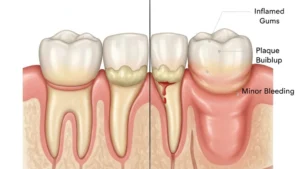
Maintaining oral hygiene with fixed hardware is notoriously complex. Food debris easily becomes trapped under wires and around brackets, creating perfect breeding grounds for dental plaque. Patients must master specialized tools, including interdental brushes, floss threaders, and water flossers, to prevent white spot lesions (decalcification), tooth decay, and gingivitis.
In contrast, cleaning your teeth during Invisalign treatment is straightforward. You remove the trays, brush and floss normally, rinse your aligners, and place them back in your mouth. This drastically lowers the risk of developing surface stains and gum inflammation during your orthodontic journey.
Clear Aligners vs Braces: Types and Appearance
For many working professionals and students in the UAE, the visual impact of orthodontic treatment is a primary concern. No one wants to feel self-conscious during corporate presentations, social gatherings, or photos.
Appearance and Visibility
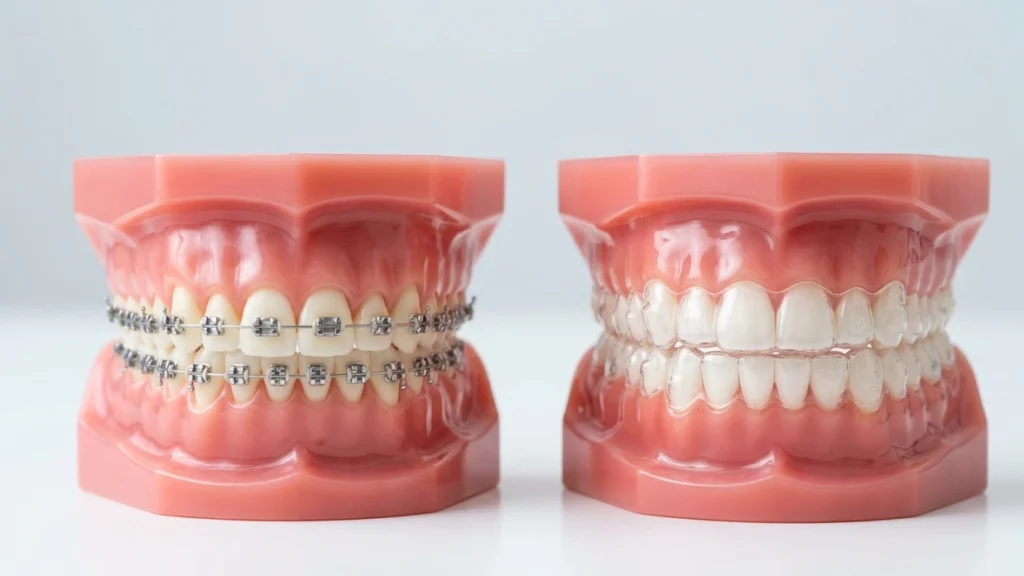
Traditional metal systems are highly visible, completely altering the aesthetics of your smile during treatment. For those seeking braces that are not visible, alternative types exist within both worlds:
- Ceramic Braces: These use brackets made of clear or tooth-colored polycrystalline alumina. While the archwire may still be visible, the brackets blend in naturally with your enamel, making them far less noticeable from a distance.
- Lingual Braces: These are custom-made metal brackets attached to the back (lingual) surface of the teeth, completely hiding them from public view. However, they can severely impact speech and cause tongue irritation.
- Invisalign Clear Aligners: Invisalign is virtually invisible to the naked eye at normal conversational distances. The ultra-clear plastic reflects light similarly to natural tooth enamel, allowing you to undergo treatment discreetly.
Variety of Systems
While Invisalign is the global pioneer in clear aligners, traditional hardware also offers diverse options. Patients can choose standard stainless steel, gold-plated brackets, or clear sapphire brackets depending on their aesthetic goals, durability needs, and budget.
Invisalign vs Braces: Pros and Cons
To simplify your choice between Invisalign vs braces, let’s look at a clear, objective breakdown of the advantages and disadvantages of each treatment path.
Invisalign Aligners
Pros:
- Esthetically Discreet: Highly transparent, allowing you to maintain a professional appearance.
- Removable System: Allows for effortless eating, drinking, brushing, and flossing.
- Fewer Clinic Visits: Progress is tracked seamlessly, often requiring fewer in-office adjustments.
- Enhanced Comfort: Smooth plastic construction prevents painful soft-tissue cuts.
Cons:
- Requires Strict Compliance: Must be worn for 20 to 22 hours every single day to stay on track.
- Frequent Tooth Brushing: Teeth must be thoroughly cleaned after every meal before reinserting the trays to prevent trapping sugars against the enamel.
- Not Ideal for Severe Cases: Complex structural jaw malocclusions or severe tooth rotations may still require fixed hardware.
Traditional Braces
Pros:
- Highly Effective for All Cases: Can correct the most complex, severe dental crowding and skeletal bite issues.
- Fixed in Place: Zero compliance required; you don’t have to worry about losing your trays or forgetting to wear them.
- Fast Structural Changes: Provides continuous, powerful force to shift severe root positions efficiently.
Cons:
- Highly Visible: Can impact self-esteem and facial aesthetics during treatment.
- Strict Dietary Restrictions: Hard, sticky, and chewy foods must be completely avoided.
- Difficult to Clean: High risk of plaque buildup, staining, and gum disease if hygiene is neglected.
- Physical Discomfort: Wires and sharp brackets frequently poke or scrape the inside of the mouth.

Invisalign vs Braces: Which Is Faster?
One of the most frequent questions patients ask is: Which system will give me my dream smile fastest? The short answer is that it depends entirely on the nature of your misalignment.
For mild-to-moderate aesthetic corrections, such as minor gaps or slight crowding in the front teeth, Invisalign can often yield complete results within 6 to 18 months. Because the trays move the teeth simultaneously in a highly calculated digital sequence, simple alignment for teeth can happen remarkably fast.
However, for complex structural issues—such as severe overbites, deep underbites, or rotating large molars—traditional braces are often faster and more efficient. Fixed brackets give orthodontists maximum mechanical leverage to pull deep roots into position and shift the jaw structure using orthodontic rubber bands. Your provider will evaluate your bone structure to determine which path offers the fastest, safest timeline.
Discover more about how to transform your smile with our cosmetic dentistry services.
Invisalign vs Braces Cost Guide
The financial investment for orthodontic treatment in Dubai and Sharjah varies based on several clinical variables:
- The overall complexity and severity of your misalignment
- The total duration of active treatment required.
- The specific type of materials used (e.g., standard metal vs. premium ceramic brackets).
Generally, the cost of standard traditional braces in the UAE ranges from AED 8,000 to AED 18,000. Premium systems like lingual braces or ceramic options sit on the higher end of that spectrum.
Invisalign treatment costs typically range between AED 10,000 and AED 25,000. While the upfront lab fees for fabricating custom 3D aligners make Invisalign a premium option, many patients find that the lifestyle flexibility, invisible appearance, and savings on emergency repair appointments offer incredible long-term value.
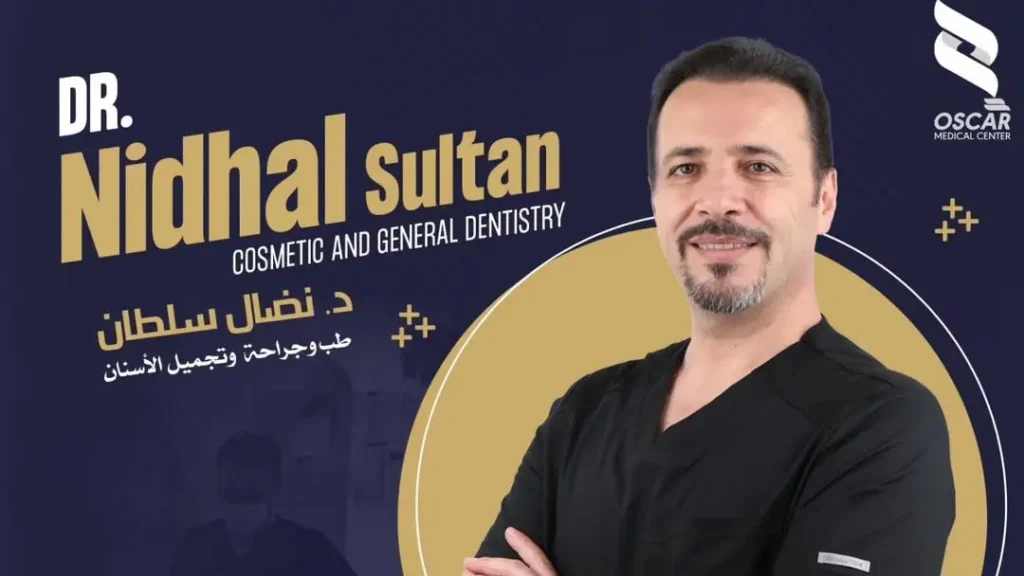
Learn more about your condition and connect with Dr Nidhal Sultan through the patient connection hub.

How to Choose Your Dentist for Teeth Alignment
Orthodontic treatment changes your facial aesthetics and long-term oral health. Selecting the right dental clinic in Sharjah and Dubai requires careful evaluation:
- Verify Specialized Qualifications: Ensure your practitioner holds advanced degrees specifically in orthodontics or is a officially certified Invisalign provider.
- Evaluate Clinical Technology: Look for clinics utilizing modern digital diagnostic tools, such as digital intraoral scanners, which eliminate the need for uncomfortable, messy traditional molds.
- Review Before-and-After Portfolios: Ask to view documented case studies of past patients with similar dental profiles to verify the quality of their work.
- Prioritize Clear Communication: Your doctor should take the time to thoroughly explain your digital treatment plan, address your lifestyle concerns, and outline clear milestones.
Read more about Dr Nidhal’s case studies and real results in Dubai and Sharjah.
Why Dr Nidhal Sultan Is Your Best Choice for Teeth Alignment
If you are looking for world-class orthodontic care in Dubai or Sharjah, Dr Nidhal Sultan stands out as a premier destination for advanced dental care. Combining years of specialized clinical experience with a deep understanding of modern cosmetic dentistry, Dr Nidhal Sultan provides highly personalized treatment pathways tailored to your unique facial profile.
The clinic is fully equipped with state-of-the-art digital dental technology, ensuring that every aligner or bracket is placed with absolute structural precision. Whether you are a busy professional needing the discreet convenience of Invisalign or require the robust corrective power of traditional braces, you will receive compassionate, expert care every step of the way. Exploring the website of Dr Nidhal Sultan allows you to easily view the comprehensive list of cosmetic services, read inspiring transformations from local patients, and take the first step toward your new smile.
Before moving into the specifics of planning your treatment layout, let’s review some of the most common questions patients ask when visiting the clinic.
FAQs invisalign vs braces
Is it better to use braces or Invisalign?
Neither system is universally “better” than the other; the right choice depends entirely on your specific diagnosis and lifestyle. Invisalign is often ideal for adults and teens seeking a discreet, comfortable, and removable solution for mild-to-moderate crowding. Traditional braces are highly recommended for complex, severe jaw malocclusions and skeletal corrections that require continuous structural force.
What are the disadvantages of Invisalign?
The main disadvantage of Invisalign is its absolute reliance on patient compliance. Because the trays are removable, you must commit to wearing them for 20 to 22 hours per day. Forgetting to put them back in after meals will delay your results. Additionally, you must brush your teeth thoroughly after every meal to avoid trapping bacteria, sugars, and acids inside the trays against your enamel.
Who shouldn't get Invisalign?
Invisalign may not be suitable for patients who lack the discipline to wear the aligners for the required 22 hours a day. It is also less effective for individuals requiring severe vertical teeth movements, complex jaw rotations, or corrections that involve heavy skeletal bite restructuring.
Does your jawline change after Invisalign?
Yes, Invisalign can positively impact your jawline and overall facial symmetry. By correcting severe overbites, underbites, or crossbites, the treatment realigns your dental arches. As your teeth move into their proper bite positions, it optimizes how your lips and soft tissues rest over the bone structure, often creating a more balanced, defined profile.
Conclusion
Choosing between Invisalign vs braces is an investment in your future health, self-esteem, and social confidence. While braces offer unbeatable corrective power for complex cases, Invisalign provides unmatched aesthetic freedom, comfort, and lifestyle flexibility for modern professionals throughout Dubai and Sharjah.
The most critical step in this journey is scheduling an in-depth clinical consultation with a trusted expert. By scheduling an appointment with Dr Nidhal Sultan, you will receive a comprehensive digital smile assessment and a personalized recommendation designed specifically for your anatomy and lifestyle. Don’t wait to achieve the healthy, beautiful smile you deserve.